Now Reading: 2026 Test for Trump: Is the GOP’s Power Grip Stronger Than Ever?
-
01
2026 Test for Trump: Is the GOP’s Power Grip Stronger Than Ever?


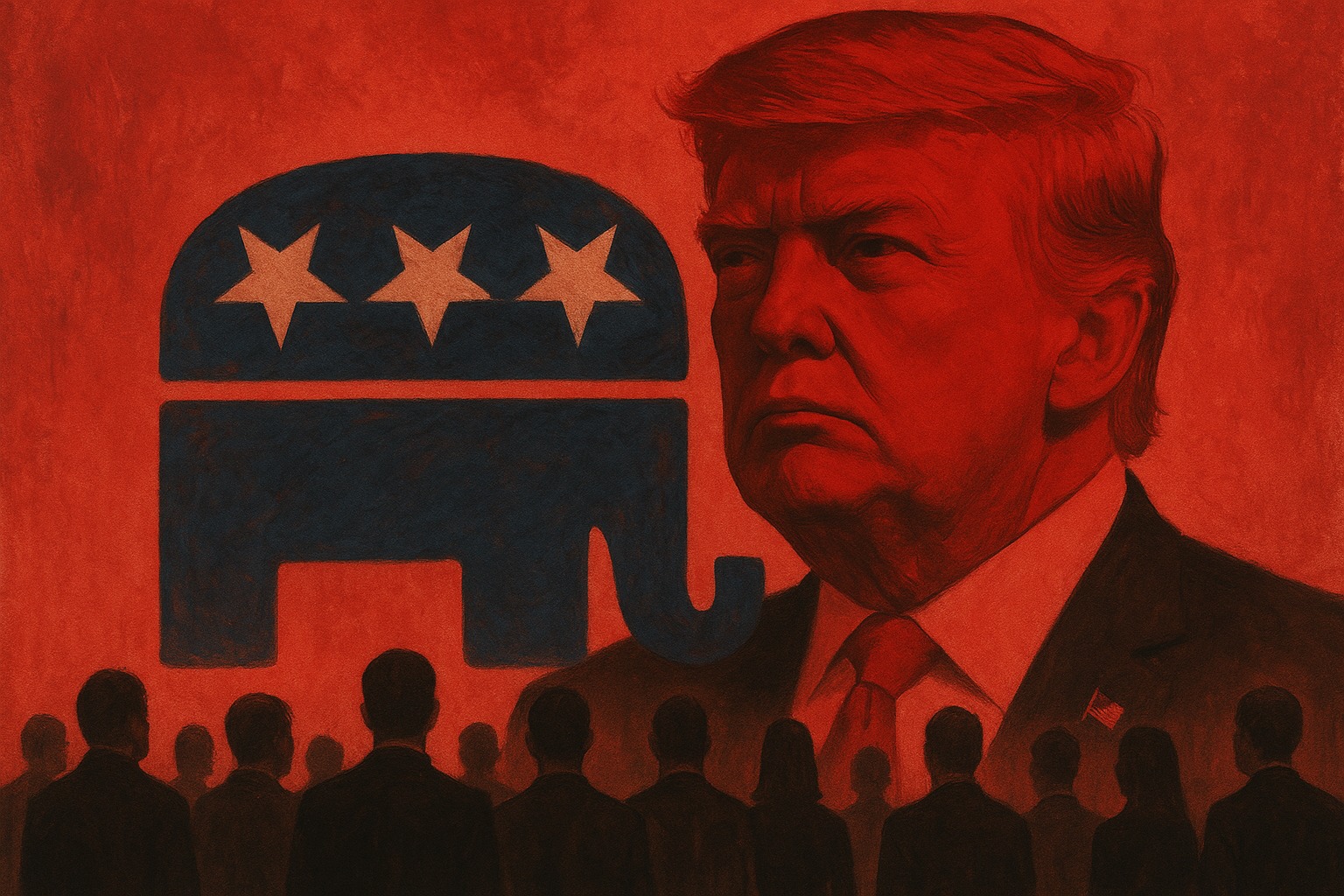
As the United States edges closer to the 2026 midterm elections, one question looms larger than all others: Can Donald Trump and the Republican Party maintain their grip on power in an era defined by the “Make America Great Again” movement?
Once a party with a broad conservative spectrum, the GOP has, over the past decade, transformed into a Trump-dominated machine. Today, policy debates, candidate selections, and campaign strategies all pivot around one man and his vision. With Trump back in the White House after his 2024 comeback, the Republican Party is no longer just influenced by MAGA — it is almost entirely shaped by it.
Trump’s Return and Consolidation of Power
Donald Trump’s dramatic return to power in the 2024 elections changed the Republican Party at its core. His victory redefined loyalty: those who once questioned his dominance either fell in line or found themselves sidelined.
- Key Appointments: Trump installed loyalists across his administration, from cabinet posts to agency heads, ensuring his agenda faces little internal resistance.
- Party Machinery: State Republican committees are now largely in the hands of MAGA-aligned figures, leaving little room for traditional conservatives or moderates.
- Fundraising Strength: Trump continues to be the party’s single largest draw for campaign donations, cementing his influence over both strategy and resource allocation.
In short, the Republican Party is no longer a coalition — it is a movement with Trump at the helm.
The Road to 2026: What’s at Stake?
The 2026 midterm elections will serve as the first referendum on Trump’s second term. Control of both the House of Representatives and the Senate will determine whether Trump can continue to push his agenda unchecked or whether Democrats — energized by resistance to his policies — can create obstacles.
- For Republicans: Winning means solidifying MAGA’s dominance and proving the movement has lasting appeal beyond Trump’s presidential campaigns.
- For Democrats: The midterms are the best chance to blunt Trump’s power, regain leverage in Congress, and slow down what they call an “authoritarian drift.”
Beyond the battle for Congress, gubernatorial races, state legislatures, and local offices will test whether MAGA’s reach can extend deeper into American governance.
A Party Without Moderates?
Traditional Republican voices — from Mitt Romney to Liz Cheney — have already been pushed out of leadership roles or left the party altogether. Their brand of conservative pragmatism has little room in a GOP dominated by Trump loyalists.
Critics within the party fear this could alienate suburban voters and moderates who once formed the backbone of Republican coalitions. But Trump allies argue the opposite: they believe a fully MAGA identity energizes the base and ensures high turnout among working-class voters who feel ignored by establishment politics.
The result is a GOP that has stopped trying to balance wings of ideology. It is now singularly Trumpist — unapologetic, combative, and populist in tone.
Key Strategies Heading Into 2026
- Immigration as a Rallying Cry
Trump and MAGA Republicans are doubling down on border security and immigration crackdowns. The administration’s policies — from stricter deportations to tightened asylum rules — are at the center of GOP messaging, presented as proof that Trump delivers on his promises. - Economic Nationalism
With ongoing trade disputes, particularly with China, Trump is promoting “America First” economics, favoring tariffs, domestic manufacturing, and energy independence. Republicans hope this will resonate in industrial swing states that feel left behind by globalization. - Culture Wars
Social issues remain central: abortion restrictions, opposition to gender identity education, and calls for “parental rights” in schools dominate campaign speeches. The GOP believes these culture war battles keep its base energized while putting Democrats on the defensive. - Election Integrity Push
Despite controversies, the party continues to promote stricter voting laws, presenting them as necessary for “election integrity.” Critics call it voter suppression, but for Trump’s GOP, it is a rallying issue that reinforces loyalty to the MAGA cause.
Challenges for a Fully MAGA GOP
While the Republican Party under Trump appears strong, challenges are brewing:
- Suburban Drift: Suburban and college-educated voters — once reliable Republican allies — have increasingly leaned Democratic.
- Generational Divide: Younger voters, including conservative-leaning independents, express fatigue with Trump’s combative style.
- Internal Risks: Although silenced, there remains an undercurrent of discontent among conservatives who believe the party’s identity has been hijacked by one man.
- Democratic Resistance: Democrats are banking on voter fatigue with constant political turmoil, hoping to present themselves as the stable alternative in 2026.
Global Implications of MAGA’s Hold
A fully MAGA Republican Party doesn’t just reshape U.S. domestic politics — it influences America’s global standing. Trump’s transactional foreign policy, skepticism of traditional alliances like NATO, and insistence on bilateral deals are already changing international dynamics. The outcome of the 2026 midterms will determine whether these policies deepen or face legislative resistance.
The Question of Succession
One of the most pressing questions for Republicans is what happens after Trump. By turning itself into a fully MAGA party, the GOP has tied its fate to his personal brand. While figures like Ron DeSantis and Vivek Ramaswamy carry influence, none match Trump’s charisma with the base.
The 2026 elections, therefore, are not just about control of Congress but also about whether the movement has the strength to outlive its leader.
Conclusion: Grip or Gamble?
The Republican Party of 2026 is no longer a house divided — it is unified under Trump’s vision. But unity comes with risk: in tying itself so closely to one leader and one brand of politics, the GOP could either secure dominance for years to come or find itself struggling if Trump’s appeal wanes.
As America heads toward another high-stakes midterm, the question remains open: Is the GOP’s grip on power a lasting hold or a gamble built entirely on one man’s personality?
Related Posts


Stay Informed With the Latest & Most Important News
Previous Post
Next Post








Advertisement