Now Reading: Satya Pal Malik, Former Governor of Jammu & Kashmir, Passes Away at 79
-
01
Satya Pal Malik, Former Governor of Jammu & Kashmir, Passes Away at 79


Final Moments and Illness
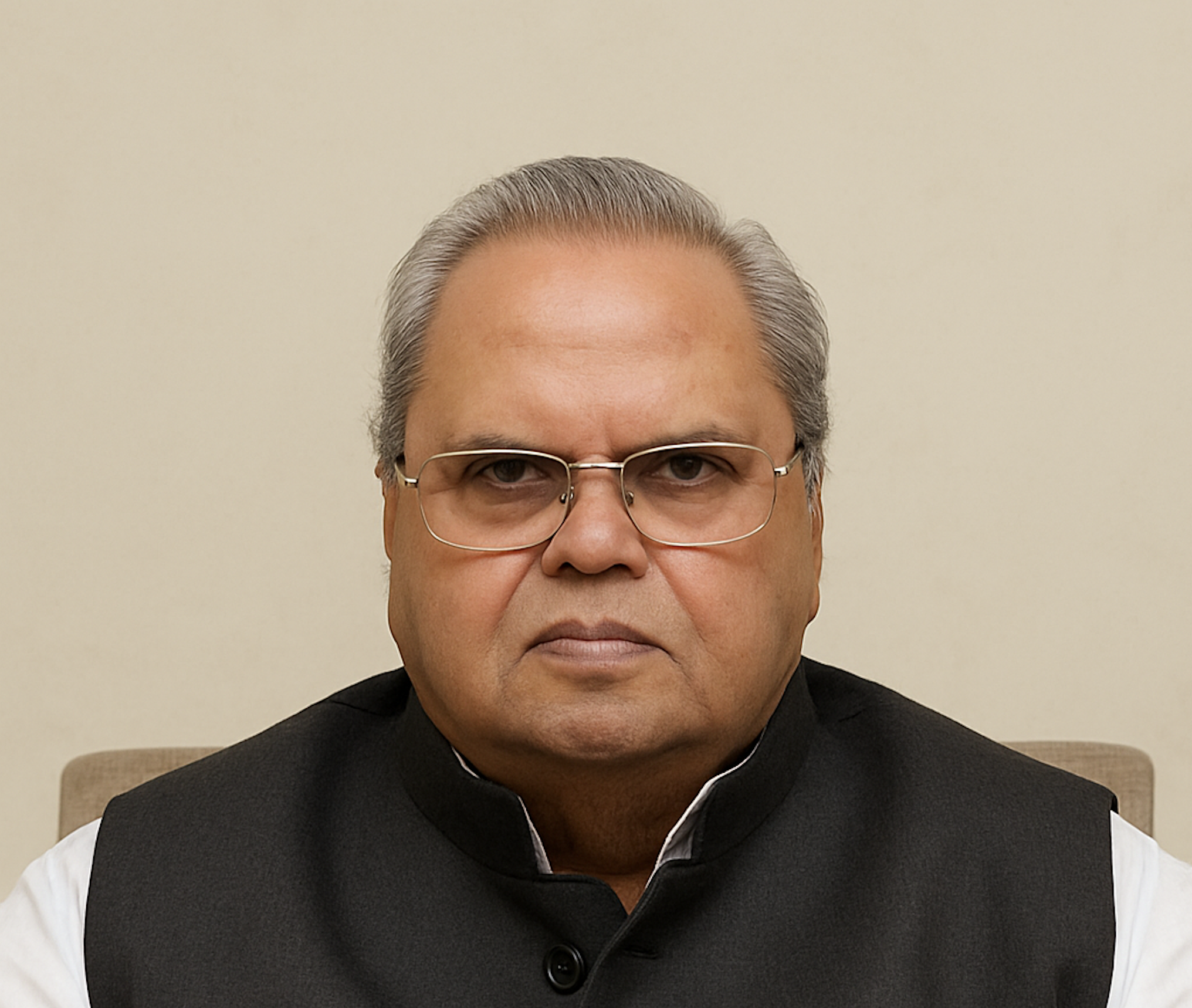
Satya Pal Malik, who served as Governor of Jammu & Kashmir and several other states, died on August 5, 2025, at around 1:10 PM in New Delhi’s Ram Manohar Lohia Hospital. He was 79 years old. Malik had been battling serious kidney-related health issues and had been admitted to the hospital on May 11, 2025, where he underwent ongoing treatment and dialysis. His condition was declared critical in June via a social media post, and hospital sources confirmed that both his kidneys had failed.
Political Journey & Key Positions
Born on July 24, 1946, Satya Pal Malik embarked on a political career rooted in socialist ideals, initially inspired by Ram Manohar Lohia. He started as a state MLA in Baghpat, Uttar Pradesh in the mid-1970s, and later served as a Rajya Sabha member and Lok Sabha MP from Aligarh.
In recent years, he held the office of Governor in multiple states:
- Bihar (2017–2018)
- Jammu & Kashmir (August 2018 – October 2019)
- Goa briefly (2019)
- Meghalaya until October 2022
He was notably the last Governor of the unified state of Jammu & Kashmir, serving during the historic decision to revoke Article 370 and 35A on August 5, 2019. He oversaw the state’s reorganisation into two Union Territories—Jammu & Kashmir, and Ladakh.
Controversies and Legal Involvement
Malik was known for his outspoken nature. In 2024, he publicly alleged corruption around the Kiru hydropower project, saying he was offered a bribe of ₹300 crore—an allegation that later resulted in a CBI chargesheet, naming him among others in the case.
Despite being politically influential, these allegations created legal scrutiny that shadowed parts of his later career.
Public Reaction & Funeral Arrangements
Malik’s passing was formally confirmed through a post on his official X (formerly Twitter) account, and condolences poured in from across the political spectrum.
He is survived by a family who received notices about his cremation planned at Lodhi Crematorium in Delhi, following customs and family arrangements .
Legacy and Editorial Perspective
Satya Pal Malik’s career spans over 50 years, from grassroots politics in Uttar Pradesh to occupying gubernatorial posts across the country. His most pivotal role came as Governor of Jammu & Kashmir, where he navigated one of India’s most delicate constitutional shifts—the abrogation of Articles 370 and 35A.
He is remembered as a strong-willed leader with socialist roots, often critical of the government even when aligned, yet pragmatic in implementing policies when in office.
His career had two distinct phases: service marked by significant constitutional responsibilities, and controversy rooted in minefield of bureaucratic oversight and corruption allegations.
Summary Table: At a Glance
| Aspect | Details |
| Full Name | Satya Pal Malik |
| Date of Birth | July 24, 1946 |
| Date of Death | August 5, 2025 (aged 79) |
| Place of Death | RML Hospital, New Delhi |
| Major Offices Held | Governor of Jammu & Kashmir, Bihar, Goa, Meghalaya |
| Key Event | Oversaw Article 370 abrogation (Aug 5, 2019) |
| Controversy | CBI charges in Kiru hydropower corruption case |
| Legacy | Bold policymaker, complex political career spanning over five decades |
Final Thoughts
The passing of Satya Pal Malik marks the departure of a notable public servant—a man woven into the fabric of India’s constitutional evolution. His role during the transition of J&K, paired with his branding as a forthright and occasionally contentious figure, leaves a mixed but impactful legacy.
His life story demonstrates the complexities of modern Indian governance—from grassroots politics to high office, from staunch advocacy to legal scandals.
As a nation, we reflect on the contributions of such figures and the broader transitions his tenure symbolised. Malik’s journey—marked by pivotal governance and contentious politics—will remain a significant chapter in India’s contemporary history.
Related Posts
Stay Informed With the Latest & Most Important News

Advertisement