

Now Reading: Want Glowing Skin, Sharp Memory & Long Life? This Diet May Be the Answer
-
01
Want Glowing Skin, Sharp Memory & Long Life? This Diet May Be the Answer


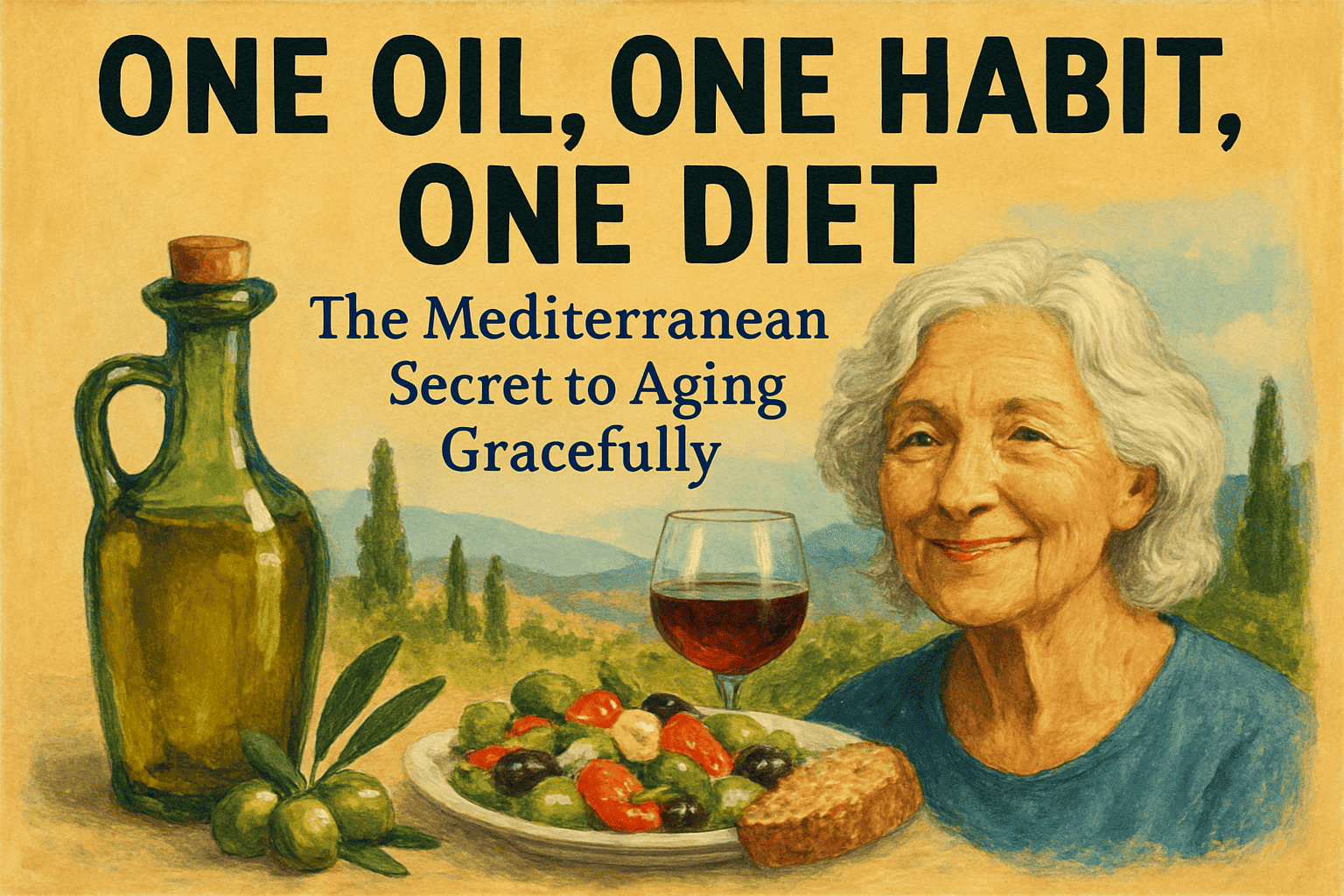
In the quest for a longer, healthier life, people across the globe are returning to age-old wisdom backed by modern science. Among the most discussed lifestyle patterns that promise good health and long life is the Mediterranean diet. Originating from the traditional eating habits of people living in countries bordering the Mediterranean Sea — such as Greece, Italy, and Spain — this diet has gained global recognition for its proven benefits in reducing chronic illnesses and promoting overall well-being.
Based on facts verified from global health organizations, nutrition research bodies, and medical journals, the Jan Jagran Darpan editorial team presents a detailed breakdown of the Mediterranean diet, its origins, components, and why it is often linked to increased life expectancy.
What is the Mediterranean Diet?
The Mediterranean diet is not a strict plan, but a flexible pattern of eating that emphasizes whole, natural foods. It includes:
- Fruits and vegetables (daily consumption)
- Whole grains like oats, barley, brown rice, and whole wheat
- Healthy fats, especially extra virgin olive oil
- Nuts and seeds (moderate intake)
- Legumes such as lentils, chickpeas, and beans
- Fish and seafood (at least twice a week)
- Low to moderate dairy, preferably in fermented forms like yogurt and cheese
- Poultry and eggs occasionally
- Red wine in moderation (optional)
- Minimal red meat and processed foods
Where Did It All Begin?
The roots of the Mediterranean diet can be traced back to the traditional eating habits of people in the Mediterranean region, especially Crete, Greece, and Southern Italy during the 1950s. At that time, people in these areas had some of the longest life expectancies in the world and suffered less from heart disease, diabetes, and obesity.
American physiologist Ancel Keys, who studied heart health, brought international attention to this diet after World War II when he noticed significantly lower heart disease rates in these Mediterranean countries compared to the U.S.
Science Behind the Diet: Why It May Increase Longevity
1. Heart Health
Numerous clinical studies have shown that the Mediterranean diet helps lower LDL (bad cholesterol), controls blood pressure, and reduces the risk of cardiovascular diseases. It’s no coincidence that the World Health Organization (WHO) and American Heart Association (AHA) recommend it for heart patients.
2. Brain Function
According to researchers, this diet may help delay age-related cognitive decline and even lower the risk of Alzheimer’s and dementia. The abundance of antioxidants and anti-inflammatory compounds helps protect brain cells.
3. Reduced Risk of Cancer
High consumption of fresh vegetables, fruits, legumes, and whole grains is known to have anti-carcinogenic properties. Some studies suggest lower rates of breast, colon, and prostate cancers among those following this diet.
4. Weight Management and Diabetes Control
The Mediterranean diet naturally encourages portion control and minimizes sugar intake. This helps manage weight and reduces the risk of type 2 diabetes, which is linked to many age-related illnesses.
5. Improved Gut Health
Foods like yogurt, legumes, and fiber-rich vegetables promote a healthy gut microbiome, which is critical for digestion, immunity, and even mental health.
What About Wine?
The Mediterranean diet includes moderate red wine, typically consumed with meals. While some studies suggest red wine can be heart-healthy due to resveratrol, a powerful antioxidant, experts caution moderation. Overconsumption negates the benefits.
It’s More Than Just Food
An often overlooked aspect of the Mediterranean lifestyle is physical activity and strong social connections. Daily walks, gardening, and meals shared with family and friends contribute significantly to mental and physical wellness.
How to Start a Mediterranean Lifestyle in India?
Though the diet originates from Europe, its principles are easily adaptable to Indian kitchens:
- Replace butter or ghee with extra virgin olive oil for salad dressings.
- Increase intake of dal, rajma, chana, and sprouts for plant protein.
- Include seasonal fruits and vegetables in every meal.
- Snack on nuts like almonds and walnuts instead of fried items.
- Choose grilled fish or tandoori chicken over deep-fried options.
- Make curd and buttermilk a part of daily meals.
Global Support for the Mediterranean Diet
- UNESCO has recognized the Mediterranean diet as an intangible cultural heritage of humanity.
- Studies in journals like The Lancet and The New England Journal of Medicine consistently link this diet with lower death rates and fewer chronic illnesses.
- As per a 2024 report by the Harvard T.H. Chan School of Public Health, people following this diet for over 10 years were 24% less likely to die prematurely compared to those with Western eating habits.
Real-Life Examples of Longevity
1. Ikaria, Greece
Known as one of the world’s “Blue Zones”, residents of Ikaria live well into their 90s and even 100s, often remaining active and free from serious illness. Their diets closely resemble Mediterranean eating — rich in beans, herbs, wild greens, and olive oil.
2. Sardinia, Italy
Another Blue Zone, Sardinia’s centenarians credit their long life to daily walks, moderate wine, goat cheese, and whole grains — a lifestyle in perfect harmony with Mediterranean principles.
Final Verdict
After reviewing extensive scientific studies, field research, and real-life examples, The Editorial Team at Jan Jagran Darpan confirms that the Mediterranean diet is not a fad but a time-tested and scientifically endorsed eating pattern. While genetics and environment also play a role in longevity, this diet certainly lays the foundation for a healthier and longer life.
Conclusion
Does the Mediterranean diet hold the key to longevity? The evidence is strong and compelling. By focusing on natural, nutrient-rich foods, healthy fats, and a balanced lifestyle, the Mediterranean way of life offers a sustainable model for anyone seeking long-term health.
In a world dominated by fast food and stressful routines, maybe it’s time to look back at simple, traditional ways of eating — and living — that have kept people healthy for centuries.
Related Posts


Stay Informed With the Latest & Most Important News
Previous Post
Next Post


Advertisement









Advertisement
