Now Reading: Your Neck Could Be the Silent Alarm for Diabetes and Heart Trouble
-
01
Your Neck Could Be the Silent Alarm for Diabetes and Heart Trouble


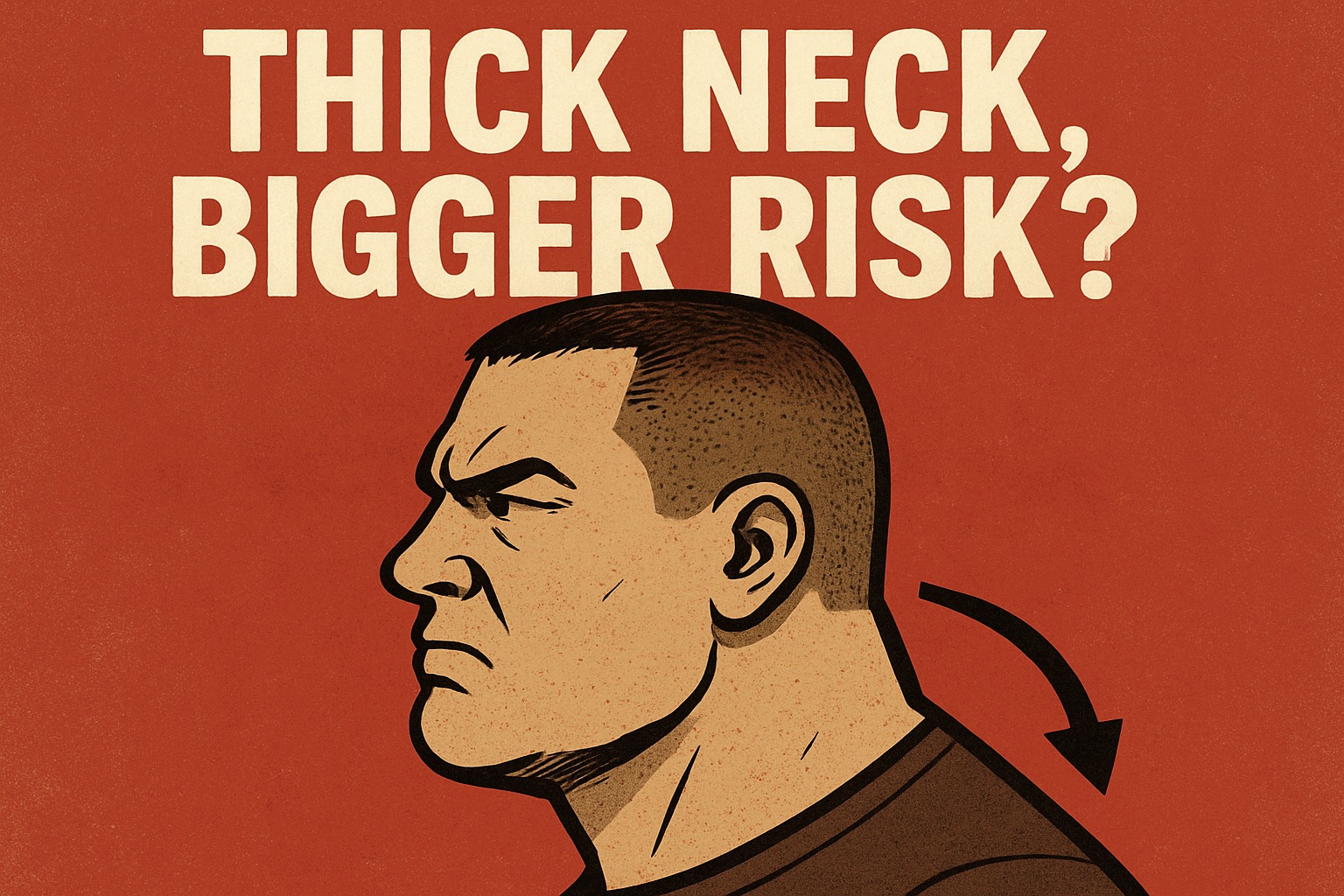
For decades, doctors and health experts have relied on traditional markers such as waist circumference, body mass index (BMI), and cholesterol levels to assess cardiovascular risk. But recent medical research suggests there may be another, often overlooked indicator of heart health: the size of your neck.
The observation that a thicker neck circumference may be linked to hidden heart risks is now gaining traction in global health studies. Medical experts argue that excess fat stored around the neck could be a red flag for conditions like obstructive sleep apnea, high blood pressure, diabetes, and increased risk of heart disease.
The Science Behind Neck Size and Heart Risk
Doctors explain that fat accumulation in the neck region is not just a cosmetic issue. It is closely associated with upper body fat distribution, which has been found to be more dangerous than fat stored in the hips or thighs.
- Neck Fat as a Marker of Visceral Fat
- Visceral fat—the fat stored deep around internal organs—is strongly linked to cardiovascular risk.
- Neck circumference correlates with visceral fat levels, making it a potential visible predictor of hidden heart problems.
- Sleep Apnea Connection
- A thicker neck often indicates higher fat deposits around the airway.
- This increases the risk of obstructive sleep apnea, a condition where breathing repeatedly stops during sleep. Sleep apnea is known to elevate the risk of hypertension, stroke, and heart failure.
- Insulin Resistance
- Studies suggest that people with larger neck circumferences are more likely to develop insulin resistance, a key factor in type 2 diabetes and metabolic syndrome. Both conditions are well-established contributors to heart disease.
How Big is Too Big?
Medical guidelines differ slightly, but several studies indicate thresholds:
- Men: A neck circumference of more than 17 inches (43 cm) may signal increased cardiovascular risk.
- Women: A neck circumference above 15 inches (38 cm) could be considered a red flag.
Doctors caution that these numbers are not absolute but provide a warning signal. Just as waist-to-hip ratios are used for obesity screening, neck circumference could be a simple, low-cost tool to flag early risks.
Why Neck Size Matters More Than You Think
Unlike weight or BMI, which can fluctuate quickly, neck size tends to remain relatively stable over time. This makes it a consistent marker for underlying fat distribution.
Experts also stress that neck circumference is easier to measure and less intrusive than other medical tests. For people who might not regularly check their blood pressure or cholesterol, tracking neck size could be an early self-check to prompt medical consultation.
What You Can Do
If your neck circumference falls into the higher-risk category, health experts recommend immediate lifestyle changes:
- Weight Management: Targeted exercise and dietary changes to reduce upper body fat.
- Regular Screening: Monitor blood pressure, blood sugar, and cholesterol levels more frequently.
- Sleep Evaluation: Get tested for sleep apnea if you experience snoring, fatigue, or interrupted sleep.
- Medical Consultation: Don’t ignore neck size as a trivial detail; it could be your body’s way of warning you.
The Bigger Picture
The inclusion of neck circumference in heart health assessments reflects a shifting approach in preventive medicine. Doctors are now looking beyond traditional measures to capture early signs of cardiovascular risk in more accessible ways.
With heart disease continuing to be the leading cause of death globally, simple and visible indicators like neck size could become an important tool in saving lives.
Related Posts


Stay Informed With the Latest & Most Important News
Previous Post
Next Post


Advertisement