Now Reading: Sanctions Back on the Table—Trump’s Warning Shot to Moscow After Failed Summit
-
01
Sanctions Back on the Table—Trump’s Warning Shot to Moscow After Failed Summit

Sanctions Back on the Table—Trump’s Warning Shot to Moscow After Failed Summit

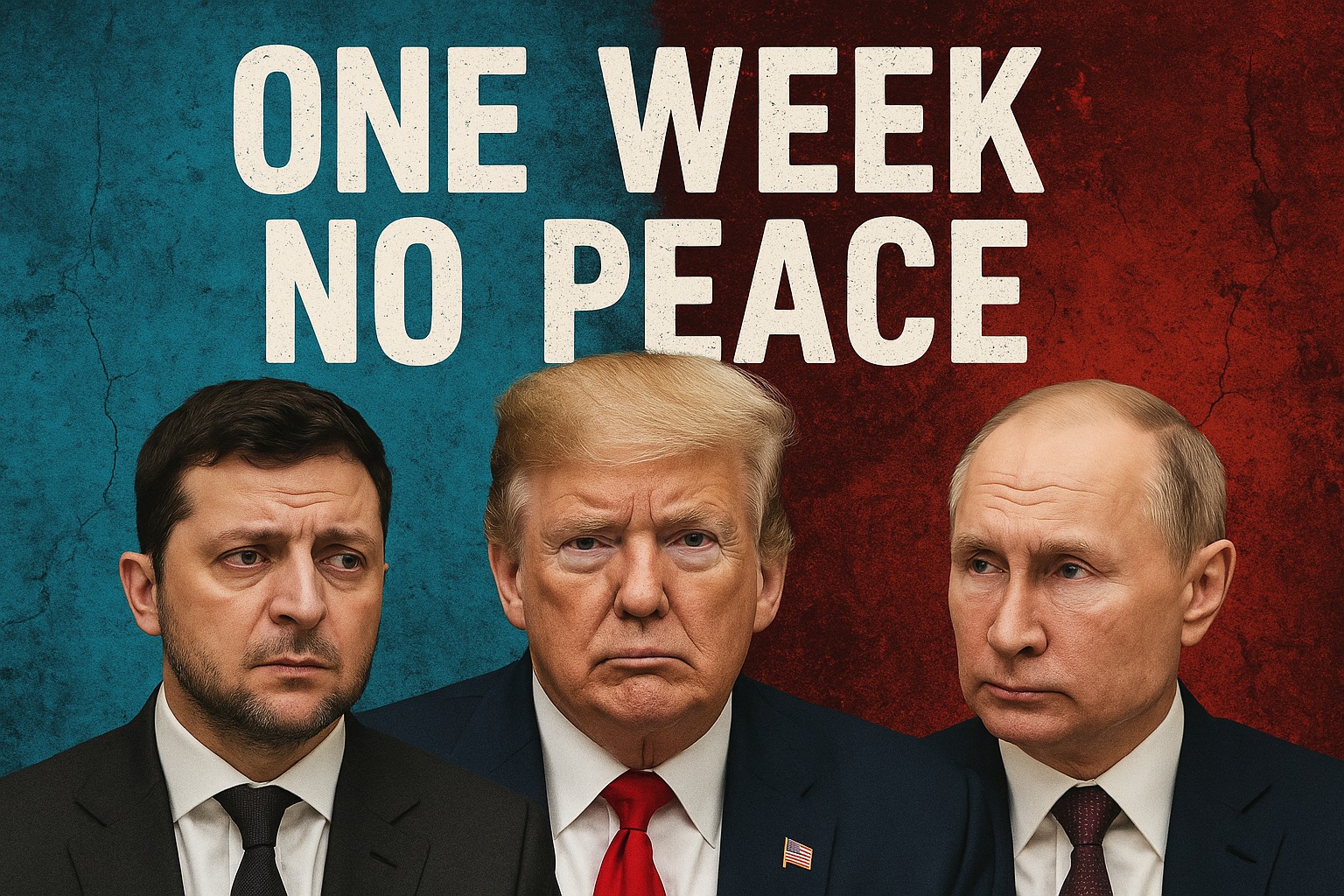
One week after the high-stakes Alaska summit between U.S. President Donald Trump and Russian President Vladimir Putin, the optimism that initially surrounded the meeting has begun to fade. Despite pledges of dialogue and tentative steps toward a framework for peace in Ukraine, little tangible progress has been made. Instead, President Trump is now reportedly weighing the reimposition — and even tightening — of sanctions on Russia as leverage to push Moscow toward a settlement.
The summit, which was widely watched across the globe, was seen as a critical test of Trump’s ability to recalibrate U.S.-Russia relations while addressing the war that has devastated Ukraine for over three years. Yet, with no ceasefire agreement and no roadmap for troop withdrawals, Washington’s patience is running thin.
The Alaska Summit: What Happened?
Held in Anchorage, Alaska, the summit brought Trump, Putin, and Ukrainian President Volodymyr Zelenskyy into the same room for the first time since renewed peace efforts began earlier this year. The discussions reportedly centered on:
- Ceasefire enforcement in eastern Ukraine.
- The future of Crimea, which remains annexed by Russia since 2014.
- The possibility of a neutrality framework for Ukraine, which Trump has floated as a compromise solution.
However, the talks ended without a signed agreement. Russia insisted on guarantees of NATO non-expansion, while Ukraine demanded a clear timeline for troop withdrawals. The U.S. pushed for humanitarian corridors and energy security commitments, but no common ground was found.
Trump’s Sanction Calculus
In the aftermath, Trump’s administration has reportedly drafted proposals to reinstate or expand sanctions against key Russian sectors — energy exports, financial institutions, and high-tech imports.
The strategy appears twofold:
- Pressure Moscow into making concessions at the negotiating table.
- Reassure allies in Europe that Washington is not softening its stance on Russian aggression despite ongoing dialogue.
Senior officials in the administration believe sanctions could act as a “short-term stick” to accompany Trump’s public calls for a diplomatic settlement.
Ukraine’s Growing Frustration
For Ukraine, the lack of progress is deeply frustrating. President Zelenskyy has maintained that his country cannot accept any deal that compromises sovereignty over its territories, including Crimea. Public sentiment in Kyiv is turning more skeptical of Western mediation, with many citizens fearing that prolonged negotiations without concrete results may play into Moscow’s hands.
At the same time, Ukraine continues to rely heavily on Western economic and military support. Any delay in peace comes with the added burden of sustaining its war economy and addressing widespread displacement of civilians.
Russia’s Position
Moscow has signaled openness to continued dialogue but insists that its core security concerns must be addressed — primarily NATO’s presence in Eastern Europe. Kremlin officials argue that sanctions only harden positions and that Washington’s threats undermine the spirit of negotiation. Putin has, however, left the door open for further talks, hinting that Russia would “study proposals” if Washington’s approach balances “security realities.”
Global Reactions
The European Union is closely watching the developments, as renewed U.S. sanctions could disrupt already fragile energy markets. Many European nations remain heavily reliant on Russian gas and oil, and any tightening of financial restrictions could drive up prices across the continent.
China, meanwhile, has subtly backed Russia’s position, warning against sanctions as a tool of diplomacy and urging “constructive dialogue.” This reflects the broader geopolitical divide, with the Ukraine conflict becoming a litmus test for global alignments.
What Lies Ahead
The coming weeks are critical. Trump has hinted at a possible follow-up summit later this year, though no dates have been confirmed. For now, the absence of a ceasefire and the looming threat of stricter sanctions mean the conflict continues with no clear end in sight.
Diplomatic analysts warn that without a breakthrough, the U.S. risks being pulled into an endless cycle of “talks without traction”, while Russia continues to consolidate its grip on contested regions. For Ukraine, every delay comes with more human and economic costs.
Related Posts


Stay Informed With the Latest & Most Important News
Previous Post
Next Post


Advertisement