

Now Reading: Can Eating Too Much Protein Damage the Kidneys? Here’s What We Know
-
01
Can Eating Too Much Protein Damage the Kidneys? Here’s What We Know


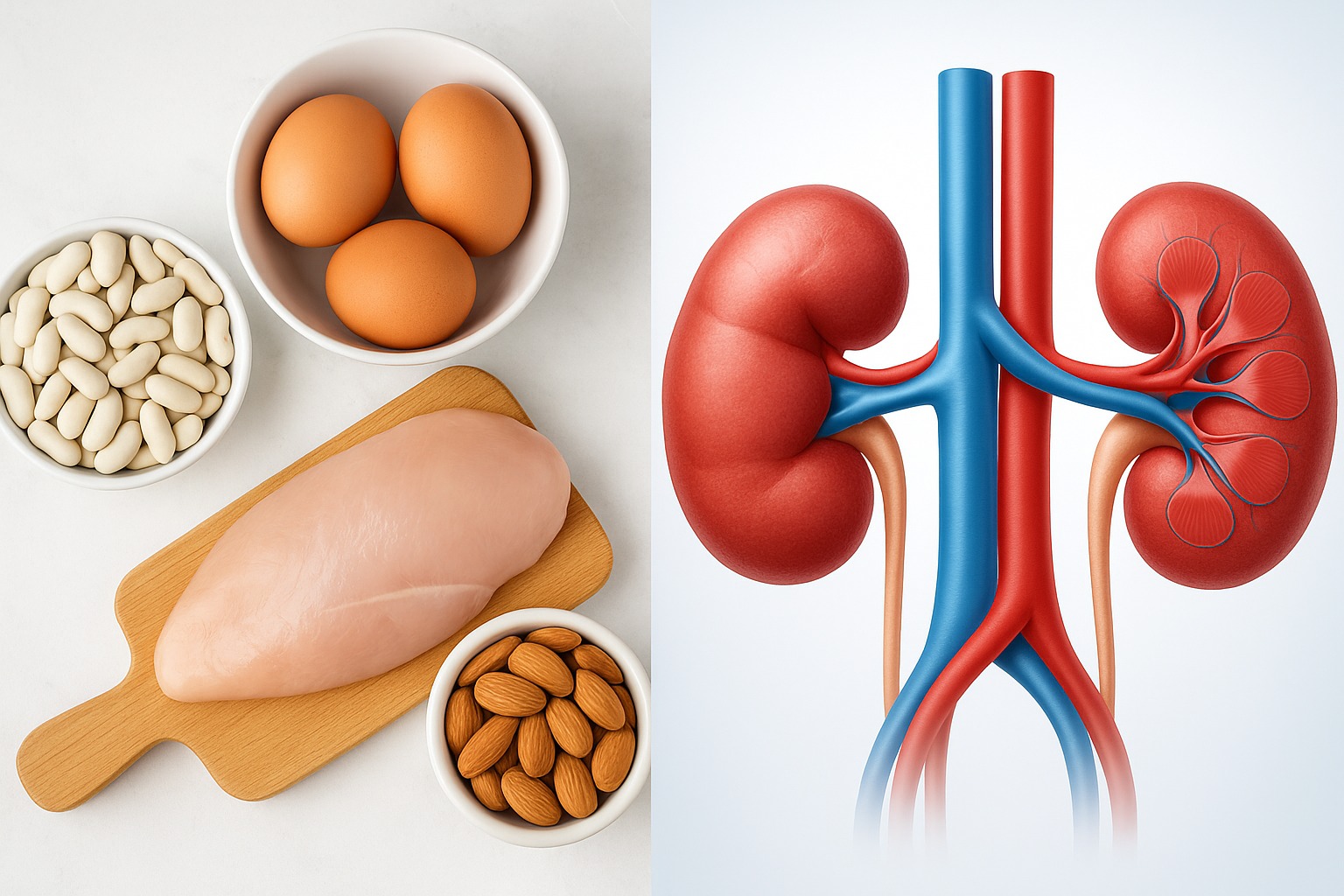
Protein is often celebrated as the cornerstone of a healthy diet. From gym enthusiasts to those following weight-loss plans, high-protein diets are widely promoted as the key to building muscle, burning fat, and improving overall health. But recent discussions in the medical community have raised a critical question: Can eating too much protein damage the kidneys?
The Editorial Team of Behind The Headlines, after reviewing expert insights and scientific findings, unpacks this important debate in detail.
Why Protein Matters for the Body
Protein is one of the three essential macronutrients, along with carbohydrates and fats. It plays a critical role in:
- Muscle growth and repair
- Hormone production
- Enzyme activity
- Immune function
- Cellular structure maintenance
Everyday sources of protein include meats, fish, eggs, dairy, legumes, nuts, and even plant-based products like soy and quinoa. While the recommended dietary allowance (RDA) for protein is about 0.8 grams per kilogram of body weight per day for a healthy adult, many diets—especially those targeting fitness and weight management—encourage intake far beyond this level.
High-Protein Diets: A Rising Trend
Diets like Keto, Paleo, and Atkins have popularized the idea of consuming more protein while cutting down on carbs. Fitness culture also plays a big role, with protein powders, shakes, and bars marketed as essential post-workout nutrition.
For many, this leads to protein consumption that is two to three times higher than the RDA. While such intake may support specific fitness goals, it raises questions about long-term safety, especially for organs like the kidneys, which are directly involved in filtering waste from protein metabolism.
The Link Between Protein and Kidney Function
When protein is digested, it breaks down into amino acids and produces byproducts like urea and creatinine. These waste products are filtered out of the blood by the kidneys and excreted in urine.
The concern arises when excess protein increases the workload of the kidneys, a process known as hyperfiltration. Over time, experts worry this could:
- Strain kidney function
- Increase the risk of chronic kidney disease (CKD)
- Worsen existing kidney problems
However, the scientific evidence on whether high protein intake can cause kidney damage in healthy individuals remains debated.
What the Research Says
- Healthy Individuals
- Most studies show that high-protein diets are generally safe for people with normal kidney function.
- The kidneys of healthy individuals can adapt to increased workload without long-term damage.
- People With Pre-existing Kidney Issues
- For those with CKD, diabetes, or hypertension, high protein intake can accelerate kidney decline.
- Doctors typically recommend a protein-restricted diet for patients with kidney disease.
- Animal vs. Human Studies
- Some animal studies suggest a link between long-term high-protein diets and kidney stress.
- Human data is less conclusive but does indicate risk in vulnerable populations.
Warning Signs of Kidney Stress
Consuming excessive protein over time can manifest in certain symptoms that may point to kidney strain:
- Persistent fatigue and weakness
- Swelling in hands, feet, or ankles due to fluid retention
- Frequent or painful urination
- Elevated blood pressure
- Foamy urine, a sign of protein leakage
Anyone experiencing these should seek medical evaluation, as they could indicate early kidney dysfunction.
Balancing Protein Intake Safely
Health experts recommend a balanced approach:
- For healthy adults: Stick to 0.8–1.2 grams of protein per kg body weight per day, unless guided otherwise by a healthcare professional.
- For athletes and bodybuilders: Up to 1.6–2 grams per kg may be safe, provided kidney function is monitored.
- For people with CKD or diabetes: Consult a nephrologist or dietitian to determine safe limits.
It’s also important to choose quality sources of protein, such as:
- Lean meats and fish
- Dairy and eggs
- Legumes, beans, and lentils
- Nuts and seeds
- Soy products
Balancing protein with adequate intake of fiber, healthy fats, and complex carbohydrates ensures overall nutritional health.
Lifestyle Factors That Protect Kidneys
Protein intake is just one piece of the puzzle. Other factors strongly influence kidney health:
- Staying hydrated helps flush out protein byproducts.
- Controlling blood pressure and blood sugar reduces kidney stress.
- Avoiding excessive use of painkillers and alcohol protects renal function.
- Maintaining a healthy weight and exercise routine lowers overall risk.
Thus, while protein intake matters, kidney health depends on a holistic lifestyle approach.
Expert Opinions
Nephrologists stress that context matters:
- For healthy gym-goers, moderate to high protein diets are unlikely to cause harm.
- For people with silent kidney problems, such as undiagnosed CKD, a high-protein diet could worsen the condition without obvious early symptoms.
This is why periodic health check-ups, including blood tests for creatinine and urine tests for protein leakage, are essential for anyone consuming high protein regularly.
Conclusion
The debate around protein and kidney health boils down to balance and individual health status.
- For healthy adults, a high-protein diet is unlikely to damage the kidneys in the short term.
- For those with existing kidney issues, high protein can be dangerous and should be avoided.
- The safest approach is to combine protein with a varied diet and regular medical monitoring.
As the Editorial Team of Behind The Headlines concludes, protein is vital, but like all nutrients, too much of a good thing can turn harmful if ignored over time. The key lies in personalized nutrition, awareness, and preventive care.
Related Posts


Stay Informed With the Latest & Most Important News


Advertisement









Advertisement
