Now Reading: Army Chief Declares: War with Pakistan Did Not End After Operation Sindoor Truce
-
01
Army Chief Declares: War with Pakistan Did Not End After Operation Sindoor Truce

Army Chief Declares: War with Pakistan Did Not End After Operation Sindoor Truce

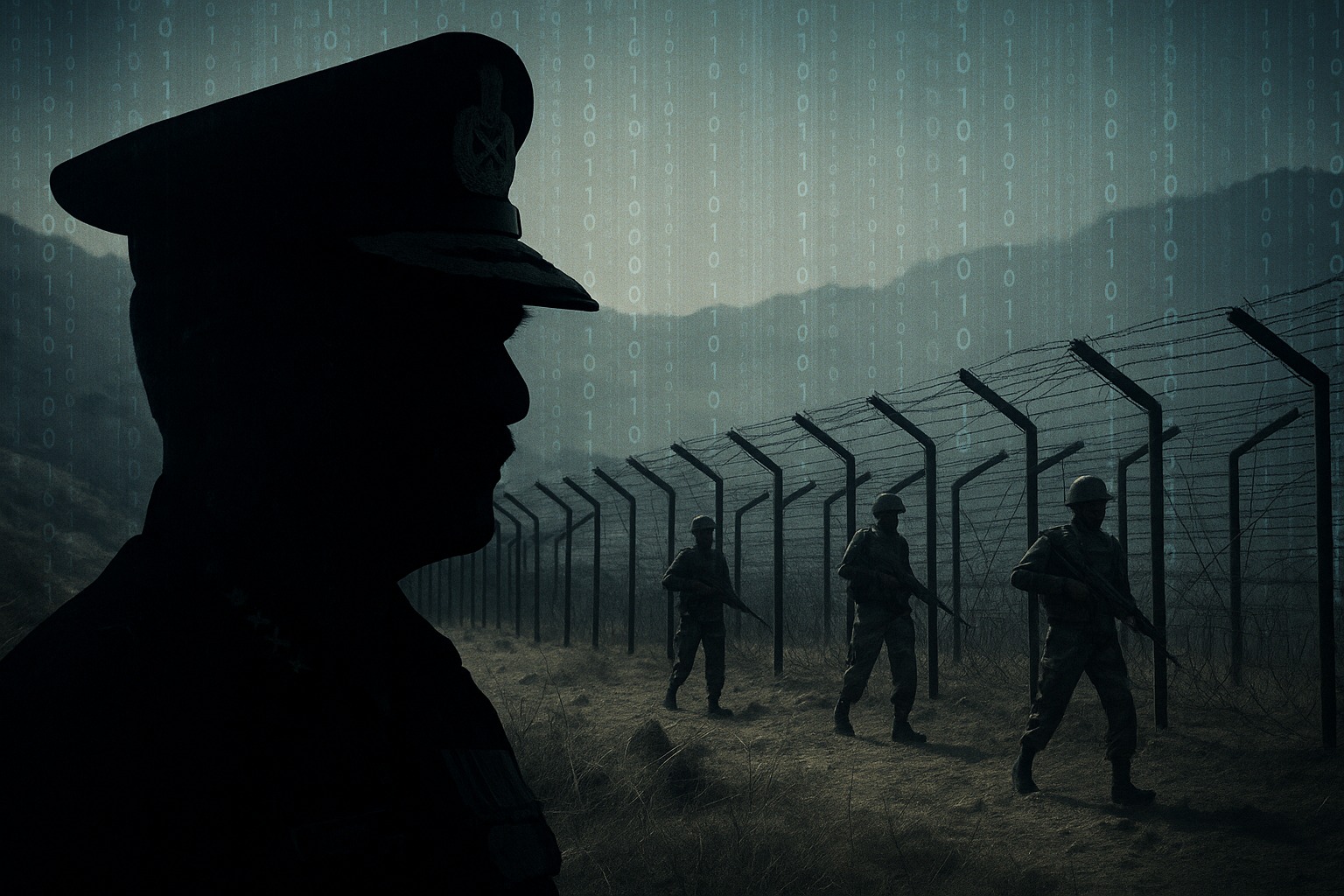
India’s Army Chief has made a striking assertion that the conflict with Pakistan did not end with the May 10 ceasefire after Operation Sindoor. Instead, he emphasized that the struggle has continued in different forms, both militarily and strategically, across multiple dimensions of national security.
The Editorial Team of Behind The Headlines breaks down what the Army Chief meant, the history of Operation Sindoor, the dynamics of Indo-Pak relations, and the implications of his remarks for the future of regional stability.
Operation Sindoor: A Quick Recap
Operation Sindoor was one of India’s most precise military operations in recent years. It was executed with clear objectives:
- To neutralize terrorist bases operating across the Line of Control (LoC).
- To demonstrate India’s capability to strike with accuracy and efficiency.
- To send a message to Pakistan and the international community about India’s resolve against cross-border terrorism.
The operation lasted only 23 minutes but achieved its intended results without collateral damage. By May 10, both nations announced a truce, leading many to believe that hostilities had ceased.
Army Chief’s Statement: “It Continued”
Challenging that perception, the Army Chief underlined that May 10 was not the end of conflict, only a pause in overt hostilities. His remarks suggested that:
- Pakistan has continued its proxy war through infiltration and terrorism.
- Information warfare and propaganda campaigns have been ramped up across digital platforms.
- The Line of Control remains volatile with frequent violations and skirmishes.
- India’s armed forces remain engaged in counter-insurgency operations in Jammu and Kashmir.
In his words, the conflict is not about a declared war but about a continuous struggle that India cannot afford to ignore.
The Broader Context of Indo-Pak Relations
Relations between India and Pakistan have long been defined by cycles of dialogue, conflict, and uneasy ceasefires. Key factors include:
- Cross-Border Terrorism: India accuses Pakistan of harboring and supporting groups that target Indian security forces and civilians.
- Kashmir Dispute: The unresolved status of Jammu and Kashmir continues to fuel tensions.
- Military Posturing: Both nations maintain heavy troop deployments along the LoC.
- Diplomatic Rhetoric: Statements from leaders often escalate tensions, even during ceasefire periods.
Against this backdrop, the Army Chief’s remarks highlight that “peace” is more of an illusion than a reality.
Why the Ceasefire Did Not End the War
Several reasons explain why May 10 cannot be considered the end of conflict:
- Terror Infrastructure Remains: Despite strikes, terror camps continue to operate under different guises.
- Hybrid Warfare: Propaganda, cyberattacks, and misinformation campaigns have replaced overt military action.
- Border Violations: Reports of ceasefire breaches remain frequent.
- Strategic Distrust: Both armies remain on high alert, unwilling to scale back deployments.
In essence, while formal hostilities paused, the battle continues across multiple domains.
The Evolving Nature of Conflict
Modern conflicts are rarely fought only on battlefields. The Army Chief stressed how warfare with Pakistan has extended to:
- Cyber Domain: Targeted attacks on Indian infrastructure and sensitive databases.
- Propaganda Networks: Fake news campaigns designed to sow division within India.
- Terror Financing: Attempts to channel funds through illegal networks to support extremist groups.
- Psychological Warfare: Efforts to undermine India’s morale through coordinated messaging.
This reflects a shift from conventional war to hybrid conflict where the lines are blurred.
Implications for India’s Security Strategy
The Army Chief’s remarks are a reminder that India must remain vigilant:
- Counter-insurgency operations will continue in Kashmir and other sensitive areas.
- Cyber defense and intelligence gathering need strengthening.
- Diplomatic efforts will focus on isolating Pakistan globally for its alleged support to terrorism.
- Defense preparedness must balance conventional military strength with new-age warfare capabilities.
For policymakers, the message is clear: peace declarations alone cannot guarantee security.
Domestic and International Reaction
- In India, the Army Chief’s remarks resonated with security experts who have long argued that Pakistan’s strategies extend beyond conventional battlefields.
- In Pakistan, officials predictably rejected the statements, accusing India of warmongering.
- Globally, analysts noted that the comments reinforce India’s narrative of being under continuous threat from cross-border terrorism.
The timing of the remarks is significant, given rising global concerns about terrorism and regional stability.
What It Means for the Common Citizen
For ordinary Indians, the Army Chief’s words serve as both reassurance and caution. Reassurance comes from knowing that the armed forces are aware and prepared. Caution comes from the reminder that the conflict is ongoing, even if invisible in daily life.
Conclusion
The Army Chief’s declaration that the war with Pakistan did not end on May 10 after Operation Sindoor challenges simplistic notions of peace. While overt hostilities may have ceased, the conflict continues in forms ranging from terrorism to cyberwarfare.
For India, this means staying on constant guard, strengthening internal resilience, and refusing to be lulled into complacency. The truce may have been a milestone, but the road to lasting peace remains long and uncertain.
The Editorial Team of Behind The Headlines will continue to track developments, offering readers fact-verified updates and in-depth analysis of India’s evolving security environment.
Related Posts
Stay Informed With the Latest & Most Important News









Advertisement