

Now Reading: Custom Holidays by India’s Travel Startups: Senior Citizens, Women, and People with Disabilities Get Tailored Journeys
-
01
Custom Holidays by India’s Travel Startups: Senior Citizens, Women, and People with Disabilities Get Tailored Journeys

Custom Holidays by India’s Travel Startups: Senior Citizens, Women, and People with Disabilities Get Tailored Journeys

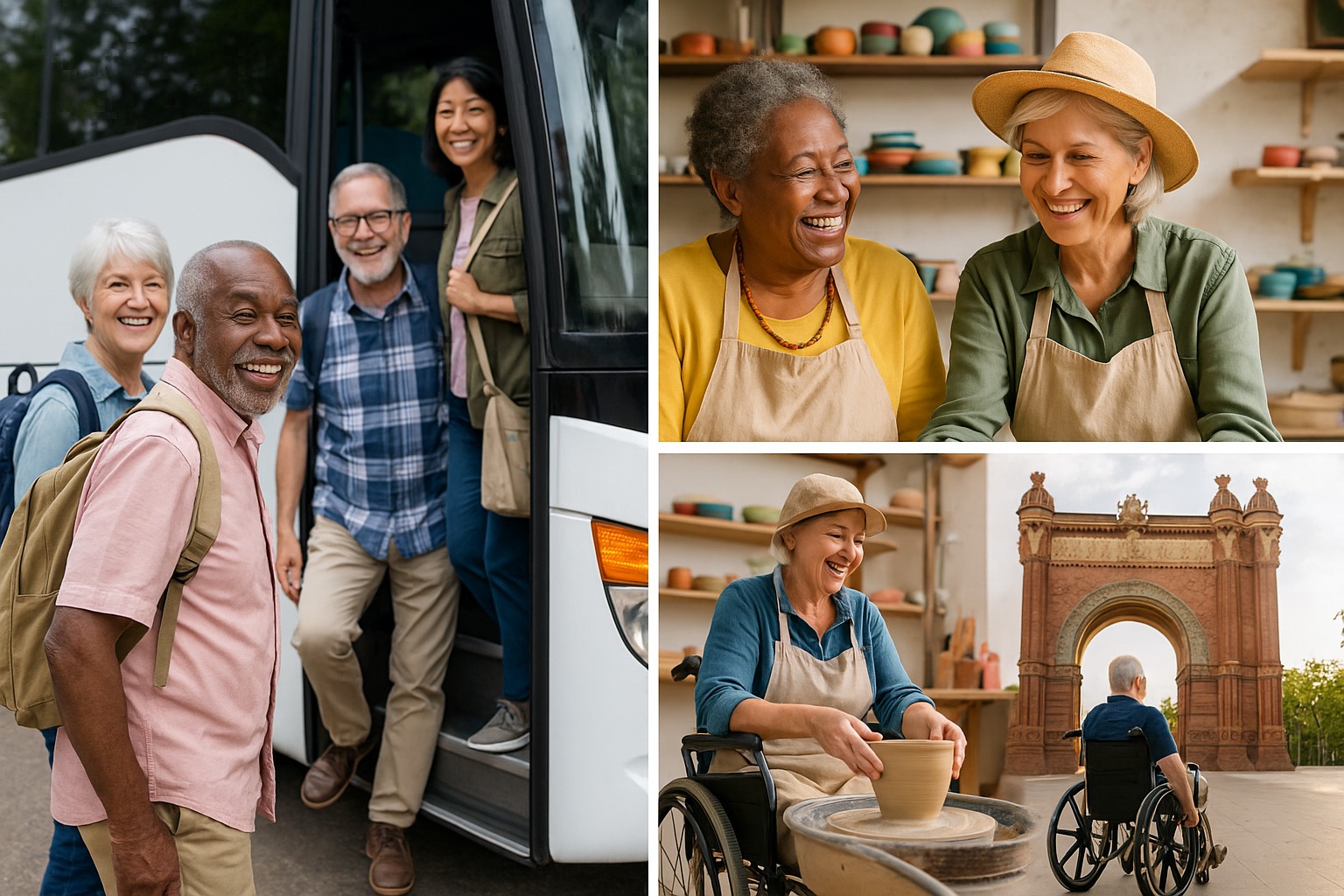
India’s travel landscape is undergoing a meaningful transformation. Beyond luxury escapes and budget backpacking, a new wave of startups is focusing on inclusive and customized holidays designed for seniors, solo women travelers, and people with disabilities. These niche offerings are not only reshaping the idea of travel but also highlighting empathy, safety, and accessibility as central values of modern tourism.
The Editorial Team of Behind The Headlines investigates how these startups are crafting tailor-made experiences, the challenges they are addressing, and what this shift means for India’s booming travel sector.
The Rise of Inclusive Tourism in India
For decades, travel services in India were built around a one-size-fits-all model. Tour packages often overlooked the needs of elderly travelers, women concerned about safety, or people living with disabilities. But demographic changes, increased disposable incomes, and evolving social awareness are driving demand for specialized experiences.
- Seniors: With life expectancy rising and retirees seeking meaningful ways to spend time, senior-friendly trips are becoming a priority.
- Women: Safety-conscious solo or group trips designed for women are among the fastest-growing categories.
- People with disabilities: Awareness about accessibility has pushed companies to design barrier-free holidays.
This demand has opened the door for startups to innovate beyond traditional travel models.
Travel Startups at the Forefront
Across India, niche travel startups have identified these gaps and are building business models around inclusivity:
- Senior-specific tours: Companies organize slow-paced itineraries with medical support, easy transport, and cultural activities that balance comfort with exploration.
- Women-only groups: Some platforms arrange curated trips led by female guides, focusing on destinations considered safe while fostering camaraderie among women travelers.
- Accessible tourism: Specialized services now ensure wheelchair-friendly hotels, transport with ramps, and assistance staff for those with mobility, vision, or hearing challenges.
The emphasis is on customization, ensuring every traveler feels secure, respected, and engaged.
Seniors: From Passive Travelers to Active Explorers
Retirement today no longer signals slowing down—it often means ticking items off the bucket list. Seniors increasingly want to travel, but at their own pace and comfort level.
Startups addressing this segment provide:
- Comfortable transport options with minimal walking requirements.
- Assistance for medication, oxygen cylinders, or dietary needs.
- Trips that prioritize cultural immersion over adrenaline-pumping adventure.
- Group trips where like-minded retirees can bond socially.
For many seniors, these trips also serve as an antidote to isolation, offering a community of travelers at the same stage of life.
Women-Only Travel: Safety and Empowerment
India’s women travelers have long battled concerns around safety and cultural restrictions. Startups now tailor offerings that make women feel confident to explore on their own terms.
Features of women-centric travel packages include:
- Trips accompanied by female tour leaders and guides.
- Secure accommodations vetted for safety.
- Destinations and activities that emphasize empowerment, such as cultural workshops or adventure sports.
- Smaller group sizes that allow for personalized attention.
These curated experiences provide not just holidays but also a sense of empowerment, enabling women to step beyond boundaries without fear.
Travel for People with Disabilities: Breaking Barriers
Perhaps the most transformative development has been in accessible tourism. People with disabilities have historically been excluded from mainstream travel due to poor infrastructure and lack of awareness.
Today, startups are addressing this gap with:
- Wheelchair-accessible hotels and transport.
- Customized sightseeing plans ensuring barrier-free attractions.
- Staff trained in handling accessibility needs.
- Technology-enabled solutions like voice-assisted guides and tactile maps.
By ensuring dignity and ease, these services are making travel inclusive for groups often left behind.
Technology as the Enabler
Digital platforms play a key role in making such travel accessible:
- Booking apps with filters for wheelchair access or women-only options.
- Virtual consultations to design trips around health or safety needs.
- AI-driven recommendations that personalize itineraries.
- Online communities where travelers share feedback and inspire confidence in new users.
Technology bridges the gap between intent and action, offering assurance that travel is possible for everyone.
Economic Potential of Niche Travel
The inclusive travel market is no longer just a social initiative; it’s also economically promising.
- India has over 140 million senior citizens—a demographic with growing spending power.
- Women travelers contribute significantly to domestic and international tourism revenue.
- The disabled population, estimated at over 26 million, represents an untapped market eager for experiences.
By catering to these groups, startups unlock both commercial viability and social value.
Challenges Still Ahead
Despite progress, hurdles remain in mainstreaming inclusive travel:
- Infrastructure Gaps: Many tourist sites in India still lack basic accessibility features.
- Cultural Attitudes: Social stigma around disability or women traveling solo remains.
- Training Needs: Travel staff often require better training to support diverse needs.
- Cost Factor: Customized holidays can be more expensive, limiting access for some.
Addressing these issues will require collaboration between startups, policymakers, and hospitality providers.
Global Inspiration and India’s Roadmap
Countries like Japan, Australia, and parts of Europe have already invested heavily in accessible and senior-friendly tourism. India’s startups are learning from these models while adapting them to local realities.
With government support—such as GST incentives for accessible hotels or recognition of women-centric travel businesses—India could become a leader in inclusive tourism in Asia.
Conclusion
Custom holidays for seniors, women, and people with disabilities signal a new era for India’s travel industry—one that is empathetic, empowering, and inclusive. Startups driving this movement are not only redefining travel but also reshaping society’s idea of who gets to explore.
For seniors, these holidays mean rediscovering joy and community. For women, they promise empowerment and safety. For people with disabilities, they represent dignity and inclusion. Together, they point toward a future where travel is a right, not a privilege.
The Editorial Team of Behind The Headlines will continue tracking this transformation, offering fact-verified insights into how India’s travel sector evolves toward greater inclusivity.
Related Posts


Stay Informed With the Latest & Most Important News

Advertisement







Advertisement
