

Now Reading: Rising GST on Food Delivery: Why Zomato and Swiggy Must Reinvent Premium for Indian Consumers
-
01
Rising GST on Food Delivery: Why Zomato and Swiggy Must Reinvent Premium for Indian Consumers

Rising GST on Food Delivery: Why Zomato and Swiggy Must Reinvent Premium for Indian Consumers

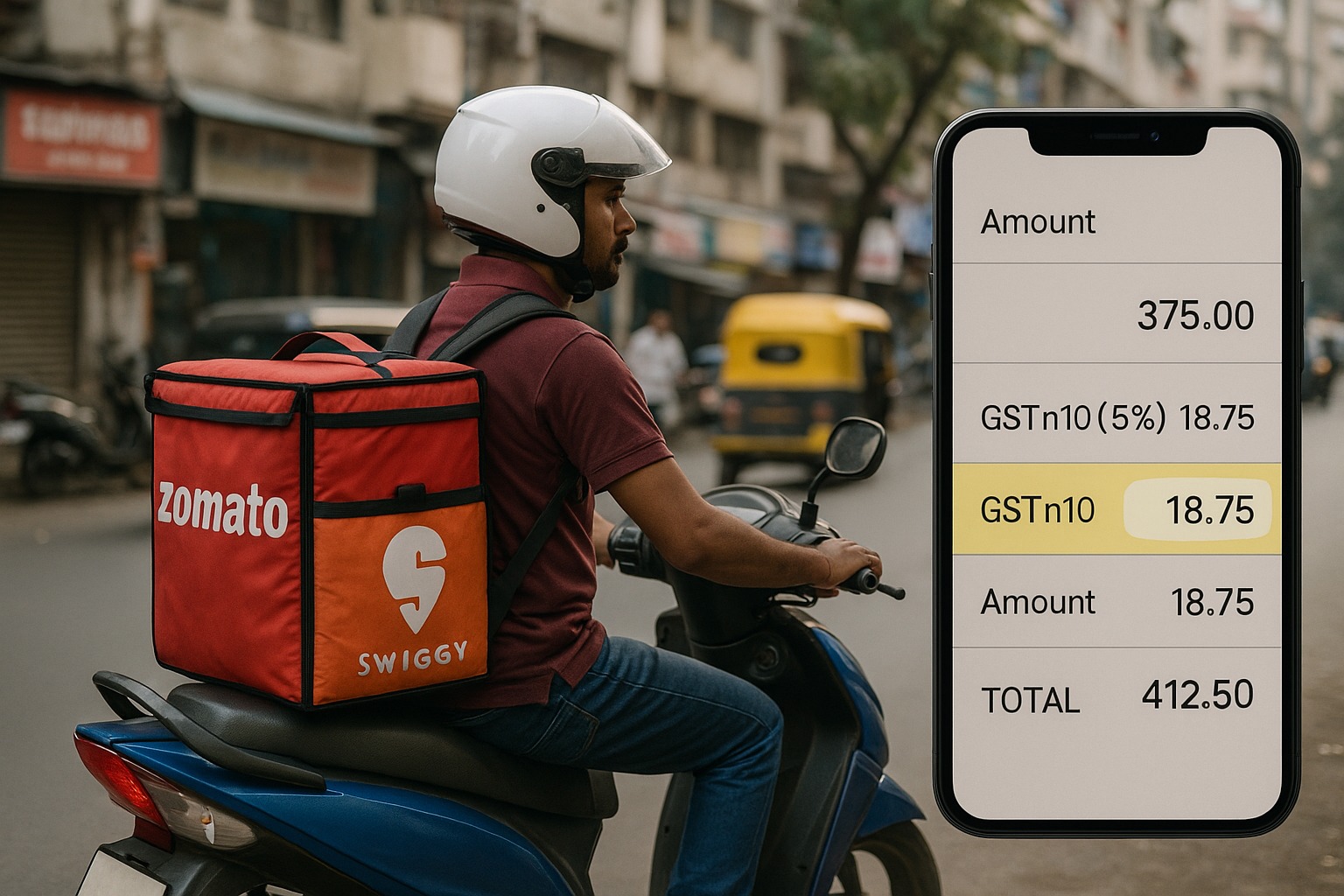
The latest hike in Goods and Services Tax (GST) on food delivery has ignited a storm of debate across India’s urban and semi-urban households. What was once a guilty pleasure for many—a pizza on Friday night, a biryani on a lazy Sunday afternoon, or quick thalis after long work hours—has now become noticeably more expensive. For delivery giants like Zomato and Swiggy, the GST increase is more than just a taxation tweak; it is a signal that the industry must redefine how it positions itself, especially in the premium segment.
The Editorial Team of Behind The Headlines argues that this change could become a watershed moment in India’s food-tech journey, forcing platforms, restaurants, and consumers to rethink convenience, affordability, and value.
What the GST Hike Means for Consumers
For the average user, the change may appear small on the bill—perhaps a few extra rupees on each order. But for frequent customers, especially urban millennials and Gen Z professionals who depend heavily on deliveries, the cumulative cost is significant.
- A family ordering thrice a week could see monthly food expenses climb by several hundred rupees.
- College students and gig workers—already price-sensitive—may cut back on app orders.
- Rising costs may also push middle-class households to return to traditional alternatives like tiffin services, neighborhood messes, or home-cooked meals.
From the user’s perspective, the question is simple: is food delivery still worth it when every plate carries a bigger tax burden?
Why Delivery Apps Can’t Ignore the Shift
For Zomato and Swiggy, the GST hike is not just about passing costs to customers. It changes the entire narrative of value.
- Elasticity of Demand: Food delivery is not an essential service. When prices rise, many users will reduce orders.
- Premium vs. Mass Appeal: With rising costs, delivery apps must decide if they want to double down on affluent segments or continue chasing volume at the bottom of the pyramid.
- Trust Deficit: Consumers are already frustrated with hidden costs like packaging fees, surge pricing, and delivery charges. A higher GST, even if it’s government-imposed, risks being blamed on the apps.
If handled poorly, this hike could accelerate user fatigue and trigger demand stagnation.
The Premium Dilemma
In India, the idea of “premium” has always been fragile. For Zomato and Swiggy, premium once meant faster delivery times, loyalty perks, and priority customer service through Gold or Swiggy One subscriptions. But now, with GST eating into affordability, premium must be redefined.
- Experience Over Discounts: Instead of endless coupon wars, apps need to offer differentiated experiences—gourmet tie-ups, chef-led menus, curated festival deals.
- Health and Quality: With rising prices, users may demand cleaner, healthier, and traceable food options that justify the premium.
- Personalization: AI-driven recommendations, dietary filters, and user-specific bundles could become selling points.
In short, premium can no longer mean “pay more for faster delivery.” It has to mean “get more value for every rupee spent.”
How Restaurants Will Respond
Restaurants, already strained by high commissions and competitive pricing, are unlikely to absorb the GST hike. Instead, they may:
- Push more consumers toward dine-in by offering in-restaurant discounts.
- Collaborate with delivery apps to create “value meals” that look attractive despite higher tax.
- Explore independent delivery channels through WhatsApp, Dunzo, or self-managed fleets to bypass platform costs.
From a consumer standpoint, this may lead to greater fragmentation—users juggling between multiple apps, direct orders, and traditional kitchens to manage their monthly food budgets.
The Role of Technology
Technology could be the savior in this crisis. Both Zomato and Swiggy are experimenting with ways to maintain consumer loyalty despite rising costs.
- AI-Powered Bundles: Grouping popular dishes to offer cost-effective combinations.
- Smart Logistics: Optimizing routes and using electric vehicles to cut delivery costs.
- Hyperlocal Expansion: Encouraging cloud kitchens and neighborhood tie-ups that keep delivery distances shorter and cheaper.
These innovations, if executed well, could soften the blow of higher GST by ensuring that the value-to-cost ratio improves.
What This Means for India’s Food Culture
Food delivery has become a cultural habit in urban India, much like streaming content or ride-hailing. The GST hike forces a cultural rethink:
- For affluent households, delivery will remain a convenient luxury.
- For middle-class families, it may shift back into the “occasional indulgence” category.
- For smaller towns, where delivery apps were just gaining momentum, higher costs could slow adoption.
Thus, the hike is more than just taxation—it’s a moment that could reshape how Indians perceive the role of delivery apps in everyday life.
An Opportunity in Disguise
While the hike poses challenges, it also opens doors.
- Zomato and Swiggy can reposition themselves as lifestyle platforms, not just delivery utilities.
- Premium subscriptions could evolve into holistic experiences with OTT tie-ups, credit card benefits, or even event access.
- By embracing transparency—breaking down costs clearly on bills—apps can rebuild trust and loyalty.
Instead of chasing volume endlessly, the GST hike could finally push these companies to focus on profitability, quality, and sustainable customer relationships.
Conclusion
The GST hike on home delivery is not just a tax story—it is a turning point for India’s food delivery ecosystem. For consumers, it raises hard questions about affordability and value. For restaurants, it demands agility and reinvention. For Zomato and Swiggy, it is an ultimatum: evolve from discount-driven platforms into truly premium lifestyle brands or risk becoming just another expensive habit India can’t justify.
The Editorial Team of Behind The Headlines believes this moment, though disruptive, could mark the beginning of a smarter, healthier, and more premium food delivery culture in India.
Related Posts


Stay Informed With the Latest & Most Important News
Previous Post
Next Post

Advertisement








Advertisement
