

Now Reading: Meghalaya Government Begins Careful Review of Reservation Policy
-
01
Meghalaya Government Begins Careful Review of Reservation Policy


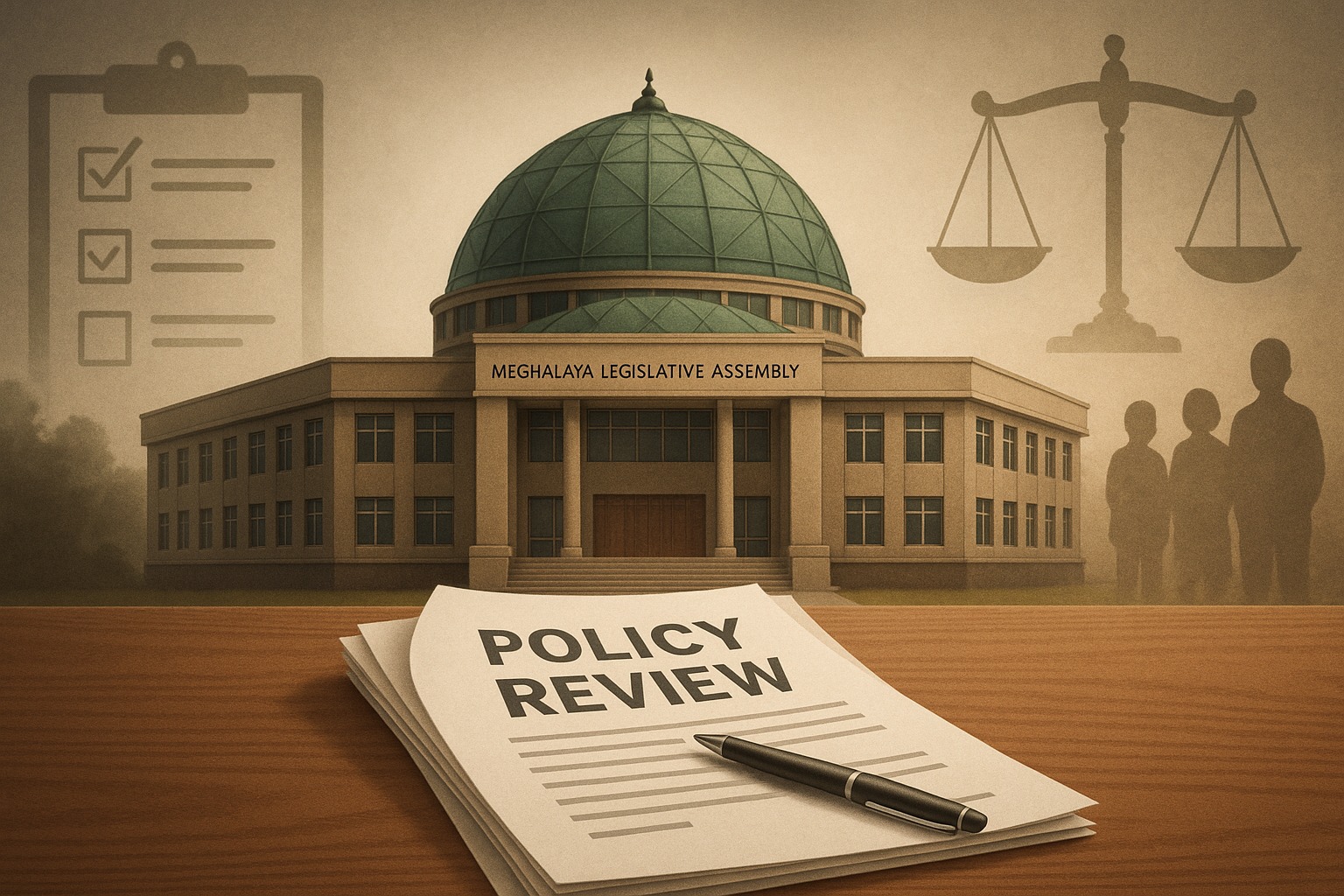
The Meghalaya government has officially begun reviewing the state’s long-debated reservation policy, a move that has triggered widespread discussions across political, social, and community lines. While expectations are high, the government has made it clear that the process will not be rushed. Leaders emphasized that the review will be conducted with detailed study, dialogue, and consensus building, ensuring that the interests of all communities in Meghalaya are respected.
This announcement comes after growing demands from different organizations and political groups for changes in the existing framework. The review is being closely watched as it touches on issues of representation, equality, and the socio-economic aspirations of indigenous groups.
Background of Meghalaya’s Reservation Policy
Meghalaya’s reservation policy has been in place for decades, designed to provide fair opportunities in education, employment, and governance to the state’s major indigenous communities — the Khasi-Jaintia and the Garo. The policy has historically set quotas for different groups, aimed at protecting their rights and ensuring balanced participation.
Over time, however, questions have been raised about whether the existing framework reflects the current demographic and developmental realities of the state. Civil society groups, student unions, and political parties have been pressing the government to revisit the policy to ensure equitable representation.
Why the Review Matters Now
The push for review has intensified in recent years. Rising unemployment, growing competition for government jobs, and demands from various sections of society have put pressure on policymakers. With elections approaching in the coming years, the review also carries political weight.
Key reasons behind the review include:
- Changing demographics in different districts.
- Demands for greater inclusivity from smaller communities and groups.
- Balancing economic development across regions.
- Ensuring fairness in access to jobs, education, and opportunities.
The government’s decision to formally initiate the review signals its intent to address long-standing concerns, but with caution to avoid social unrest.
Government’s Stand on the Process
Officials have clearly stated that the review will not be done hastily. The Chief Minister and senior leaders have stressed that the process must be evidence-based, backed by proper data, and involve consultations with all stakeholders.
The government has also indicated that expert committees, research inputs, and discussions with community leaders will guide the review. By ensuring transparency, the administration aims to build trust and avoid polarizing outcomes.
Community Reactions and Expectations
Reactions from across Meghalaya have been mixed.
- Khasi and Jaintia groups: Many community leaders have welcomed the review but insist that the rights of the Khasi-Jaintia must be safeguarded.
- Garo representatives: Some voices from Garo Hills have urged caution, warning against any reduction in their share of reservation benefits.
- Civil society and student bodies: These groups are demanding wider inclusivity and greater fairness, especially for minority groups who feel left out of the current system.
While there is optimism about the review, there are also concerns that the process may reignite old tensions if not handled carefully.
Challenges Ahead for Policymakers
The task before the government is complex. Adjusting reservation percentages can create winners and losers, leading to friction among communities. The challenges include:
- Maintaining social harmony while addressing demands.
- Ensuring data accuracy to justify any changes.
- Balancing regional aspirations across Khasi, Jaintia, and Garo Hills.
- Avoiding politicization of the issue during elections.
Experts note that a poorly managed review could deepen divisions, while a balanced approach could strengthen Meghalaya’s democratic and social fabric.
Possible Outcomes of the Review
While no decisions have been made, potential scenarios include:
- Retaining the existing policy with minor adjustments.
- Redefining percentages to reflect current demographic realities.
- Expanding benefits to smaller or marginalized groups.
- Introducing new monitoring mechanisms to ensure effective implementation.
Any outcome will have far-reaching implications for Meghalaya’s governance, education system, and job market.
Political Implications
The reservation policy has always been a sensitive political issue in Meghalaya. With opposition parties closely monitoring the process, the government’s approach could influence public opinion. By promising not to rush and focusing on consensus, the ruling leadership is trying to strike a balance between addressing demands and maintaining stability.
If handled well, the review could strengthen the government’s credibility. If mishandled, it could spark protests and impact future elections.
Bigger Picture for the Northeast
Meghalaya’s decision may also resonate beyond its borders. Reservation debates are active in several northeastern states, and a significant policy change here could inspire similar demands elsewhere. The review also highlights the broader challenge of balancing indigenous rights with the need for modernization and inclusivity in rapidly changing societies.
Conclusion
The Meghalaya government’s decision to begin a review of the reservation policy marks a crucial moment in the state’s history. While there is strong demand for reform, the leadership’s insistence on caution, consultation, and consensus shows awareness of the sensitivity involved.
The coming months will be critical. As expert studies are conducted and community voices are heard, Meghalaya stands at a crossroads — with an opportunity to create a fairer, more inclusive framework that reflects its present realities while safeguarding the rights of its indigenous people.
Related Posts



Stay Informed With the Latest & Most Important News
Previous Post
Next Post


Advertisement







Advertisement
