

Now Reading: NDA Strategy Secures Pachai Tamizhan Radhakrishnan’s Vice President Win
-
01
NDA Strategy Secures Pachai Tamizhan Radhakrishnan’s Vice President Win


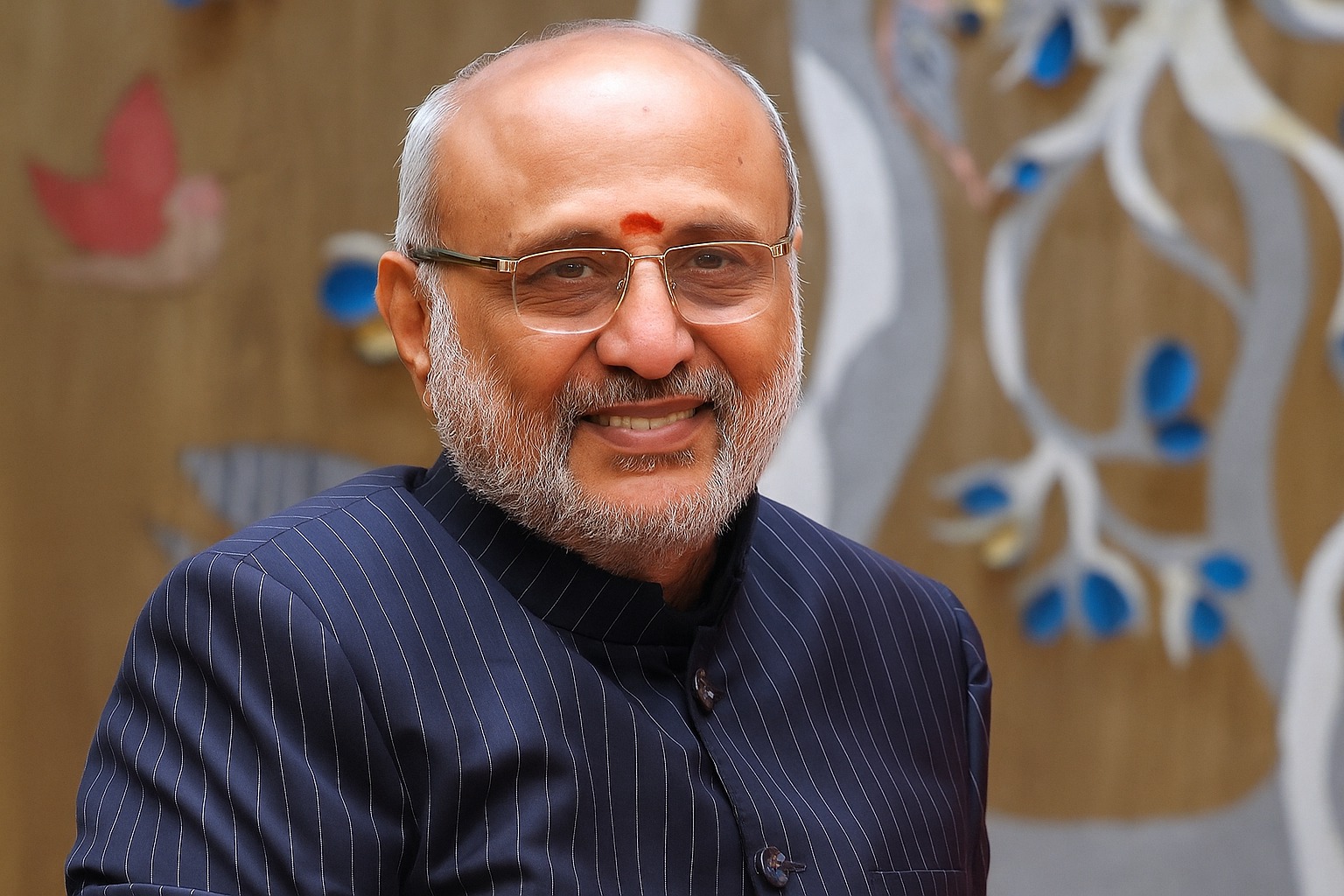
The BJP-led National Democratic Alliance (NDA) has once again demonstrated its political strategy and organizational strength by ensuring the victory of Pachai Tamizhan Radhakrishnan in the Vice Presidential election. The result reflects not only NDA’s careful vote management but also its ability to bring together allies under a unified plan.
Radhakrishnan’s win carries symbolic and political weight. It highlights the NDA’s ability to expand its influence in southern India while consolidating its grip on national politics. With the 2025 political calendar already crowded, this victory boosts the morale of the ruling coalition and sends a clear message to the opposition.
How NDA Crafted Its Strategy
The NDA’s campaign for Radhakrishnan was built on meticulous planning and multi-layered coordination. Party leaders engaged in closed-door negotiations with allies, ensured whip enforcement among Members of Parliament, and left little room for dissent.
Key elements of the strategy included:
- Alliance Management: Securing commitments from smaller regional allies to back the NDA candidate.
- Southern Outreach: Positioning Radhakrishnan as “Pachai Tamizhan” resonated with cultural pride in Tamil Nadu and beyond.
- Vote Arithmetic: Careful calculation of Rajya Sabha and Lok Sabha numbers, minimizing chances of cross-voting.
- Messaging: Projecting the VP candidate as a symbol of inclusivity, discipline, and cultural representation.
(For more context, read How NDA Shapes Electoral Outcomes with Strategic Planning).
Why Radhakrishnan’s Victory Matters
Radhakrishnan’s elevation as Vice President is significant for several reasons:
- He represents Tamil Nadu, a state where the BJP has long sought stronger roots.
- His image as “Pachai Tamizhan” links cultural authenticity with political symbolism.
- The Vice President is also the Chairperson of the Rajya Sabha, giving the NDA smoother control over legislative proceedings.
This win strengthens the BJP’s narrative of inclusivity while advancing its long-term mission of expanding in southern India.
(Also see BJP’s Southern India Strategy Ahead of 2025 Elections).
Opposition Response and Challenges
The opposition, led by the INDIA bloc, fielded its candidate but was unable to match NDA’s numerical strength. Despite appeals for unity, cracks within opposition ranks became evident.
Analysts believe the opposition’s inability to counter NDA’s numbers shows the coalition’s struggles in building consensus. For the INDIA bloc, this result is a reminder of the challenges it faces before the upcoming Bihar and Maharashtra elections.
(Check our coverage on India Bloc’s Coordination Challenges in National Politics).
Southern Politics and Symbolism
By elevating Radhakrishnan, the NDA has sent a strong message to Tamil Nadu and neighboring states. While the BJP’s footprint in Tamil Nadu remains modest, this move underscores its determination to position itself as a national party with southern inclusivity.
Political observers note that cultural pride is deeply tied to Tamil identity, and Radhakrishnan’s persona helps bridge the gap between the party and the state’s voters.
Expert Views on NDA’s Planning
Political experts highlight that the victory was never just about numbers; it was about narrative. The NDA successfully positioned the election as one representing southern culture, inclusivity, and coalition strength.
This success is seen as part of the BJP’s larger strategy — using symbolic victories to expand influence where electoral wins are tougher.
Broader Implications for 2025
The VP election outcome will shape the NDA’s confidence ahead of key state elections and national debates. With Radhakrishnan presiding over the Rajya Sabha, the government expects smoother passage of bills.
Opposition parties, meanwhile, are expected to regroup and attempt stronger coordination. The event serves as a preview of coalition politics shaping India’s future.
(Read our feature on Coalition Politics in India: Past and Future Outlook).
Conclusion
The NDA’s carefully executed strategy has ensured Radhakrishnan’s historic win in the Vice Presidential election. Beyond the numbers, it is a political and symbolic triumph that strengthens the ruling coalition’s hold on national politics and signals its southern ambitions.
For the opposition, the result is a reminder of the organizational gap that must be bridged if it seeks to challenge the NDA effectively.
Related Posts



Stay Informed With the Latest & Most Important News
Previous Post
Next Post

Advertisement







Advertisement
