

Now Reading: Nepal Protests 2025: Gen Z Push for Change and Sushila Karki’s Return
-
01
Nepal Protests 2025: Gen Z Push for Change and Sushila Karki’s Return


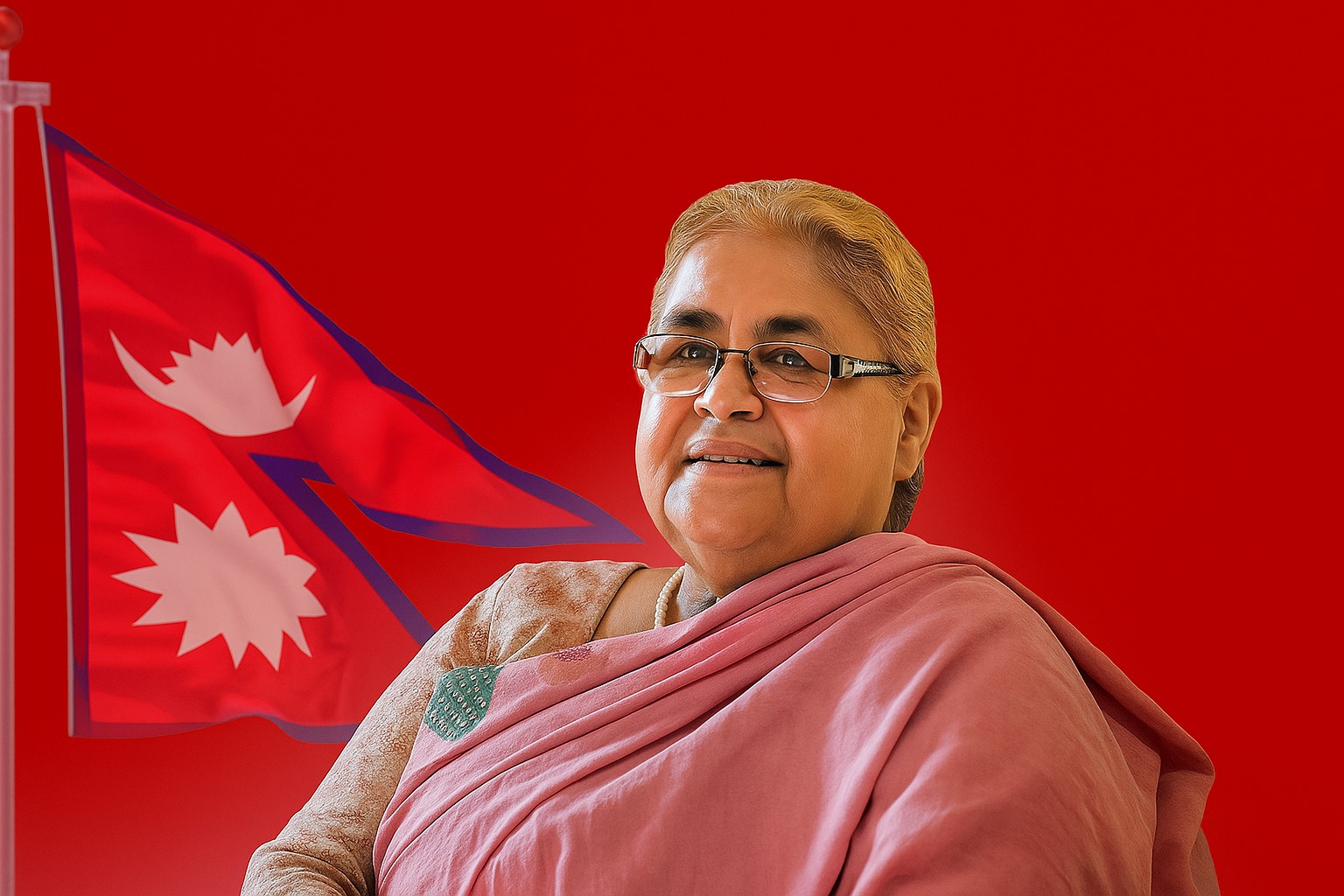
Nepal is witnessing one of its most turbulent political phases in recent memory as thousands of young citizens take to the streets demanding systemic change. The latest wave of Gen Z-led protests has escalated into calls for former Chief Justice Sushila Karki to be appointed interim Prime Minister. This movement is not merely about leadership—it reflects deep disillusionment with the current political order, a frustration that has been building for years.
For India and the wider South Asian region, these protests signal a generational shift. With young Nepalese citizens rejecting established political elites, the crisis could reshape the Himalayan nation’s governance model and redefine its democratic path.
Why Are Gen Z Protesting in Nepal?
The protests began as spontaneous outbursts against unemployment, corruption, and lack of accountability. But they quickly gained momentum across Kathmandu and other major cities, drawing thousands of young demonstrators.
- Discontent with ruling parties: Many young protesters argue that political leaders have failed to deliver economic growth or stability despite repeated promises.
- Unemployment and inflation: Rising joblessness and high living costs have left young Nepalese with little faith in traditional politics.
- Demand for accountability: The youth want a transparent government that prioritizes their concerns over power struggles.
This sentiment echoes similar youth-led movements across Asia, reflecting how young voters are reshaping politics globally.
(Earlier, Behind The Headlines examined youth-driven movements in our feature on South Asian democracy and protests.)
Who Is Sushila Karki and Why Do Protesters Want Her?
Sushila Karki, Nepal’s first female Chief Justice, is remembered for her outspoken commitment to judicial independence and her fearless stance against corruption. Her brief tenure was marked by high-profile judgments that challenged entrenched political elites.
Protesters now see her as a symbol of integrity and a non-partisan figure capable of steering the country through its political crisis. Her image is being invoked not as a career politician but as a guardian of fairness and accountability.
Government Response: Curfews and Crackdowns
The Nepalese government has responded with curfews, army deployment, and internet restrictions in several areas. Officials argue that these measures are necessary to restore order. But for the youth, such steps have only deepened anger, reinforcing perceptions of an unresponsive state.
This is not the first time Nepal has relied on heavy-handed tactics. During earlier political crises, curfews and force often pushed protests underground, only for them to resurface with greater intensity.
Regional Implications for India and South Asia
Nepal’s instability has direct consequences for India, given their open borders and deep cultural ties. Any prolonged unrest could impact trade, cross-border migration, and security cooperation.
For China, Nepal’s instability may open doors to greater influence through financial and political support. Regional powers are watching closely, as the Himalayan nation sits at the crossroads of South Asia and East Asia.
(We explored India’s foreign policy dilemmas during Nepal’s political crises in our earlier editorial on India-Nepal relations.)
Bigger Picture: A Generational Battle
At its core, the protests represent a clash between Nepal’s younger generation and an older political establishment unwilling to change. Gen Z’s demands are not simply about leadership but about redefining governance itself:
- Ending nepotism and political dynasties.
- Prioritizing education, jobs, and technology-driven growth.
- Building a corruption-free and accountable state.
If ignored, these demands could escalate into a long-term democratic crisis. But if acknowledged, they might spark the reforms Nepal has struggled to achieve since the end of monarchy.
Editorial Perspective
From the lens of Behind The Headlines, the ongoing protests highlight a crucial lesson: generational voices cannot be suppressed indefinitely. Whether or not Sushila Karki becomes interim Prime Minister, the youth have made it clear that Nepal’s politics cannot continue in its current form.
This moment, much like earlier democratic transitions, could define Nepal’s next two decades. The dome of democracy in Kathmandu will only remain steady if leaders respect the aspirations of those who will inherit the nation.
Conclusion
Nepal’s Gen Z protests are more than just a political event—they are a generational turning point. The demand for Sushila Karki is symbolic of a larger rejection of the old order. As Nepal braces for the next chapter, the world is watching how a youthful nation reclaims its democratic promise.
Related Posts

Stay Informed With the Latest & Most Important News
Previous Post
Next Post
Advertisement









Advertisement