Now Reading: Australian Airports Ban Rice, Tea, Dairy and More in Strict Customs List
-
01
Australian Airports Ban Rice, Tea, Dairy and More in Strict Customs List


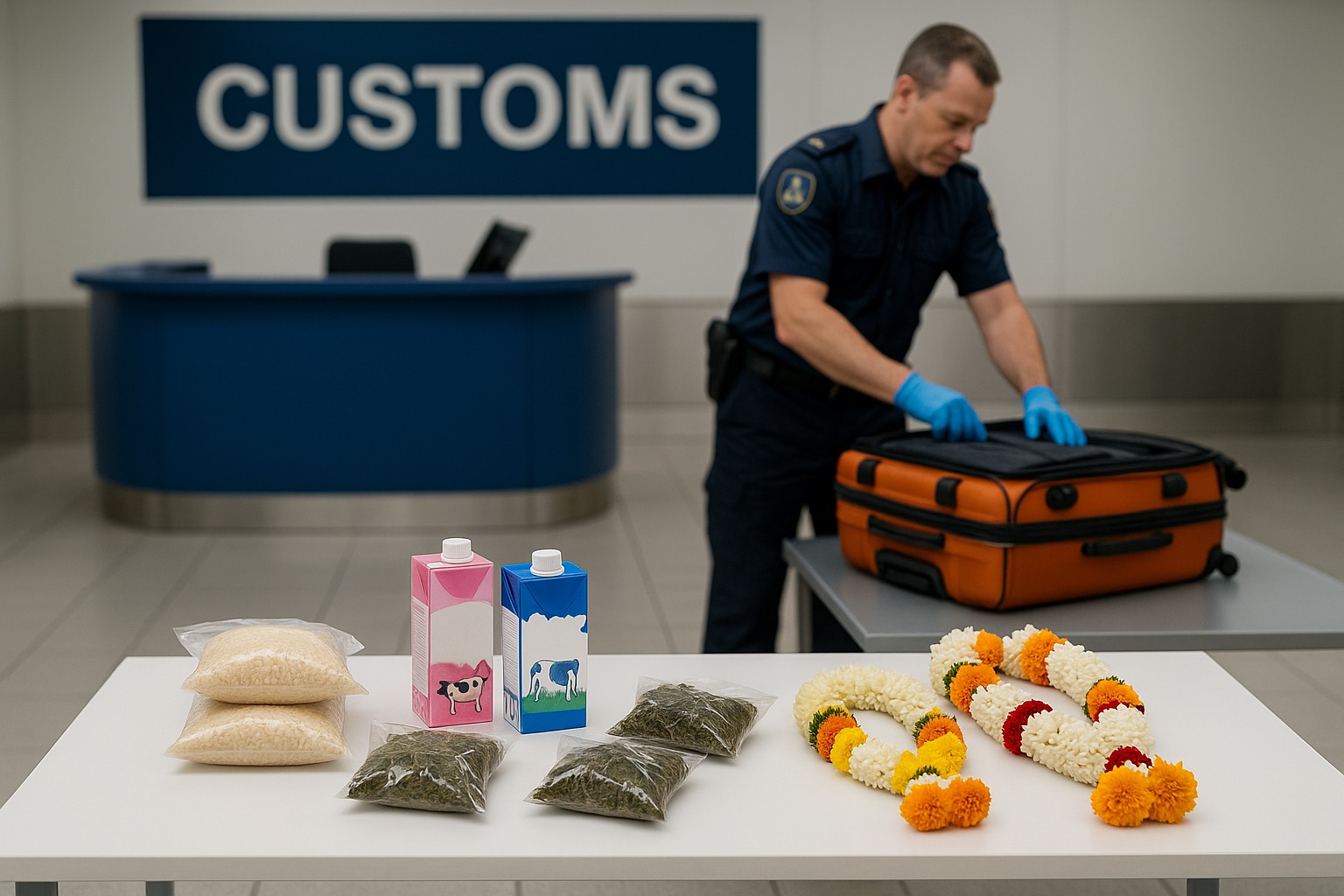
Travelers heading to Australia often get a shock at the airport — not because of long queues, but because of the surprisingly strict list of items they cannot carry. While most people know that fresh flowers and fruits are restricted, the Australian Customs authority also bans everyday goods such as rice, tea, dairy products, and even traditional jasmine flowers. These rules, though unusual to outsiders, are aimed at protecting the country’s agriculture and biosecurity.
Why Australia Has Such Strict Airport Rules
Australia is geographically isolated, which has allowed it to develop a unique ecosystem. However, this also makes the country highly vulnerable to invasive pests, plant diseases, and harmful bacteria. Customs officials enforce a zero-tolerance approach to safeguard:
- Local farming industries worth billions of dollars.
- Livestock and dairy production.
- Native plants and wildlife that could be endangered by foreign species.
The Long List of Restricted Items at Australian Airports
Australian Customs does not only stop fresh produce; the list goes much further. Items that travelers often try to carry — intentionally or unknowingly — include:
- Rice and rice-based products (to prevent pests and diseases).
- Tea leaves and herbal infusions (risk of contamination with soil or bugs).
- Milk, cheese, and other dairy products (risk of harmful bacteria).
- Flowers such as jasmine garlands (carriers of insects).
- Fresh fruits and vegetables (possible source of fruit flies).
- Meat, poultry, and seafood items (biohazard concerns).
Even packaged goods that look safe can be confiscated if not declared properly.
Impact on Travelers from Asia and India
The restrictions are particularly important for travelers from Asian countries like India, Sri Lanka, and Thailand. Tourists and migrants often carry food and flowers for cultural reasons:
- Families bring rice varieties or spices to maintain their food traditions.
- Devotees carry flower garlands, especially jasmine, for religious rituals.
- Dairy and ghee are often packed for long stays abroad.
However, at Australian airports, these items are flagged as biosecurity risks and can result in fines if undeclared.
Penalties and Fines for Violation
Australia is known for imposing heavy penalties on passengers who ignore customs rules. If caught carrying banned goods without declaring them:
- Travelers may face on-the-spot fines up to AUD 3,000.
- Serious cases can result in prosecution or deportation.
- Even if items are declared but still banned, they are confiscated — but the passenger avoids penalties.
Officials encourage passengers to declare everything, even if they are unsure, under the policy of “When in doubt, declare it.”
What You Can Carry Without Trouble
Not everything is banned. Items usually permitted when packaged and labeled include:
- Processed and commercially sealed chocolates and biscuits.
- Infant formula in sealed containers.
- Medicines with prescriptions.
- Alcohol within duty-free limits.
Still, each item is screened carefully, and customs officers make the final call.
Global Reactions: Why Tourists Call the Rules ‘Bizarre’
For many international travelers, the ban on daily-use items feels excessive. Stories of tourists losing packets of tea, rice, or even homemade sweets circulate widely on social media. Some travelers describe the rules as “bizarre” and “overly strict,” while others praise the country for putting safety first.
Bigger Picture: Protecting Australia’s Future
Though the rules may seem unusual, Australia’s biosecurity success is globally recognized. By keeping harmful pests and diseases out, the country protects:
- Its multi-billion-dollar agriculture exports.
- Food security for its population.
- Natural biodiversity unique to the island nation.
The customs list, therefore, is less about inconvenience and more about survival of an ecosystem.
Conclusion
Rice, tea, dairy products, and even jasmine flowers may seem harmless, but at Australian airports, they fall under strict customs bans. For travelers, the lesson is clear: always check the rules, declare what you carry, and avoid fines. For Australia, the policy represents a tough but necessary step to secure its land, food, and future generations.
Related Posts



Stay Informed With the Latest & Most Important News
Previous Post
Next Post


Advertisement