

Now Reading: Delhi blast LIVE updates: DNA test confirms Pulwama doctor was driving car that exploded near Red Fort
-
01
Delhi blast LIVE updates: DNA test confirms Pulwama doctor was driving car that exploded near Red Fort

Delhi blast LIVE updates: DNA test confirms Pulwama doctor was driving car that exploded near Red Fort

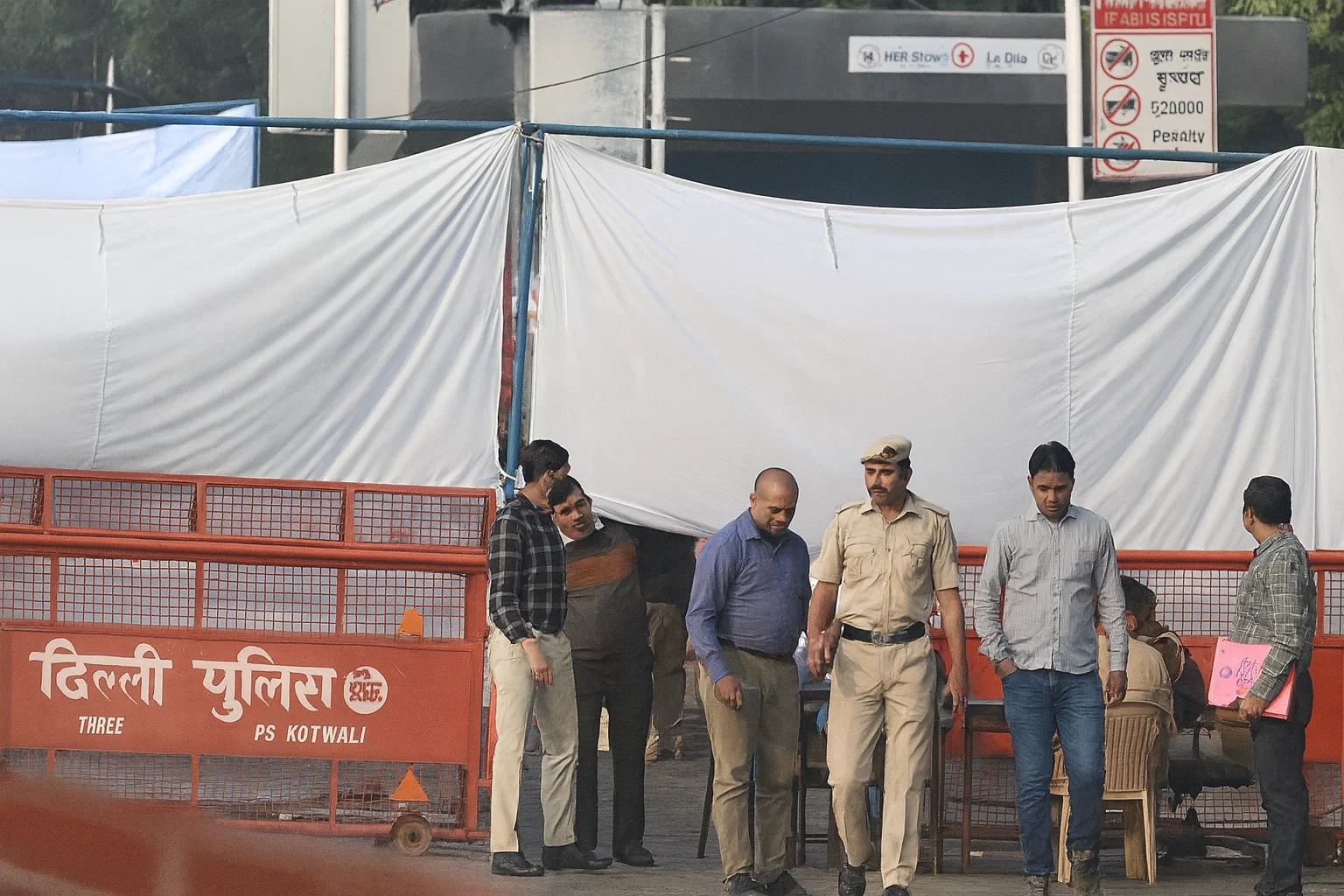
The Editorial Team of Behind The Headlines reports that in the shocking car explosion near the Red Fort in New Delhi, a DNA test has confirmed the driver of the vehicle as a doctor from Pulwama. The incident, which killed multiple people and injured many more, is now being treated as a full-blown terror attack. The revelation that the driver was a “white-coat” professional turned suspect has added a new dimension to the investigation.
Details / Background
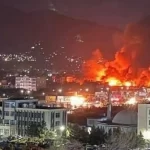
On Monday evening, a white car (identified as a Hyundai i20) exploded near the Red Fort metro area in Old Delhi. The blast occurred amid slow-moving traffic and caused multiple injuries and casualties.
Forensic and investigation teams collected remains and samples from the blast site. A DNA match between those remains and the family of the suspect—a doctor from Pulwama, Jammu & Kashmir—confirmed his identity.
The suspect has been named as Dr Umar Un Nabi (also referred to as Umar Nabi Bhat), believed to be working at a medical institution in Faridabad. His family and academic background are now under intense scrutiny.
The explosion has triggered a terror-investigation under the country’s anti-terror laws. Agencies including the National Investigation Agency (NIA) are leading the probe.
Analysis
The confirmation that a doctor was behind the wheel in a terror blast near one of Delhi’s most symbolic landmarks raises several concerns. One, it broadens the narrative of terror actors from stereotyped profiles to educated professionals. Two, it underlines the level of planning—parking/parking-lot time, vehicle movement, slow traffic, all suggest calculated execution.
Security agencies are now looking at how a professional with medical credentials and access was radicalised and recruited. The focus has shifted to the university or institution where he worked, possible accomplices, and how the explosives and vehicle were procured and assembled.
From the perspective of Delhi’s security apparatus, this incident is a wake-up call: even high-symbolism urban landmarks with tight security can be vulnerable to “trusted-face” threats. The shift from “outsider bomber” to “insider actor” changes the threat model.
Finally, the DNA confirmation is a major investigative breakthrough—it narrows down the suspect’s identity and helps link vehicle ownership, mobile phone data, routes taken, pre-blast behaviour and possible terror-module involvement.
Reactions / Statements
Government officials have expressed deep concern and condemned the blast as an act of “cowardly terror”. A senior police source confirmed that Dr Umar Un Nabi’s DNA was matched with remains retrieved from the vehicle and site. The Delhi Police said this identification “advances the probe significantly”.
Some media analysts and security experts have stated that the involvement of a doctor challenges assumptions about how terror modules select and deploy operatives. They are also raising questions about monitoring of professionals, university backgrounds, credentials and recruitment.
Victim families and civil-society leaders have called for a transparent inquiry, access to forensic evidence and assurances that such significant lapses in urban security will not recur.
Bigger Picture / Future Impact
This explosion and the new twist—an educated professional suspected as the driver—may reshape India’s domestic security strategy. Universities, hospitals, professional institutions may face stricter scrutiny in terror-risk assessment.
The image of urban terrorism is evolving: vehicles parked in plain sight, professionals in disguise and densely populated city roads become attack vectors. Policymakers will likely review their protocols for major heritage sites, metro stations, parking areas and slow-traffic corridors.
The incident also amplifies geopolitical concerns, especially given the suspect’s origin from Pulwama—a district long associated with cross-border militancy. If links with proscribed groups abroad surface, it could strain diplomatic relations and prompt heightened alertness in the security domain.
For forensic science and criminal investigation in India, the quick DNA match demonstrates capabilities and may encourage wider use of genetic and biometric data in terror investigations. It sets a precedent for tracing perpetrators in high-profile attacks.
Conclusion
The Editorial Team of Behind The Headlines notes that the explosion near the Red Fort in Delhi, and the confirmation via DNA that a Pulwama-based doctor was behind the wheel, marks a disturbing new chapter in urban terror. While the investigative breakthrough is significant, the episode also exposes key security gaps. As the probe continues, the nation will watch not only for arrests and convictions, but also for systemic reforms in national-capital security architecture, institutional vigilance and counter-terror strategy.
Internal Links
- Behind The Headlines – “Urban Terror Trends: How Landmark Attacks Are Evolving in India”
- Behind The Headlines – “Terror Modules and Professional Recruitment: What Recent Attacks Reveal”
Related Posts


Stay Informed With the Latest & Most Important News
Previous Post
Next Post

Advertisement





Advertisement
