

Now Reading: American Heart Association’s new hypertension guidelines expand diagnosis criteria
-
01
American Heart Association’s new hypertension guidelines expand diagnosis criteria

American Heart Association’s new hypertension guidelines expand diagnosis criteria

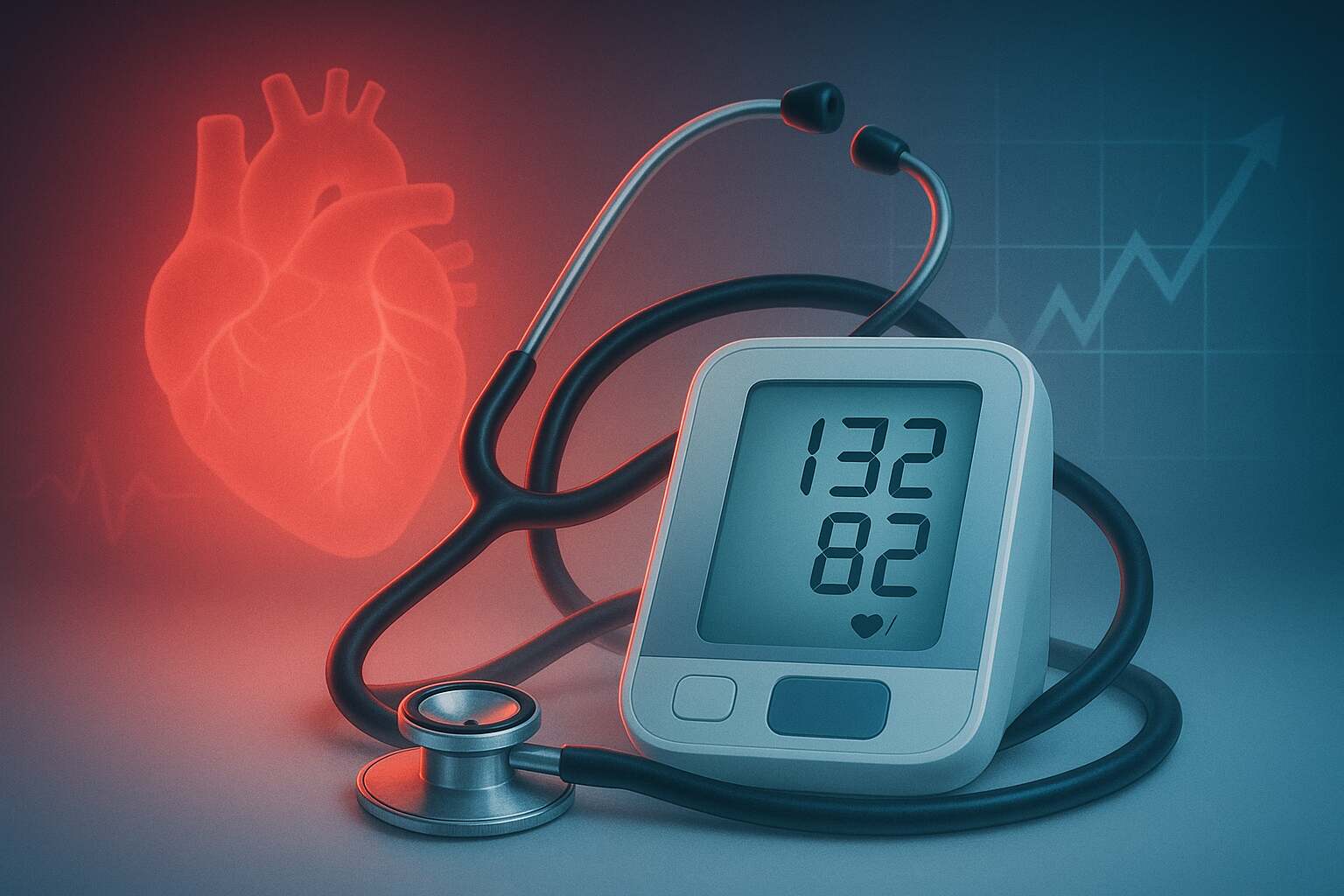
The American Heart Association (AHA) has issued new guidelines that redefine how hypertension is diagnosed, significantly expanding the number of Americans who fall under the category of high blood pressure. This change means that millions of individuals who previously had borderline or “elevated” readings are now classified as hypertensive, highlighting the growing public health challenge of cardiovascular disease in the United States.
With heart disease already being the leading cause of death in the country, the updated guidelines have sparked a renewed focus on early detection, lifestyle interventions, and long-term treatment plans.
What has changed in the new guidelines
The AHA’s revised framework lowers the threshold for diagnosing hypertension:
- The earlier benchmark considered 140/90 mmHg as the minimum reading for high blood pressure.
- Under the new criteria, a reading of 130/80 mmHg or higher now qualifies as hypertension.
This means that individuals who were once considered to have “pre-hypertension” will now be included in the hypertension category, urging earlier medical attention and lifestyle changes.
Why the change matters
Medical experts argue that the stricter cut-off is necessary because cardiovascular damage begins much earlier than previously thought. Even moderately elevated blood pressure increases the risk of stroke, kidney damage, and heart disease.
By catching the condition sooner, doctors hope patients will take preventive measures such as dietary modifications, exercise, stress reduction, and when needed, early medical intervention.
Explore our detailed coverage on preventive heart care and lifestyle changes
Impact on Americans
The reclassification is expected to increase the number of Americans diagnosed with hypertension by nearly 30%, bringing the total to more than 100 million adults. While this may raise concerns about over-diagnosis, the AHA emphasizes that the focus will be on lifestyle management first, not medication for all.
Doctors warn, however, that with nearly half of the adult population now falling under the “hypertensive” label, the U.S. health system will face added pressure in terms of awareness, screening, and long-term disease management.
Global perspective
Hypertension is not just an American issue. The World Health Organization (WHO) estimates that over 1.3 billion people worldwide live with high blood pressure, many undiagnosed. India, for example, has one of the fastest-growing hypertension burdens, with urban lifestyle patterns fueling the rise.
The AHA’s guidelines could set a precedent for other countries to revise their own diagnostic standards, potentially reshaping how hypertension is identified and managed globally.
Read our report on India’s rising hypertension cases and preventive strategies
Criticism and concerns
Not all experts agree with the AHA’s stricter approach. Critics argue that lowering the diagnostic threshold may unnecessarily alarm patients, leading to overtreatment and anxiety. Some also fear that it may strain healthcare resources, shifting focus away from those with severe hypertension who require urgent medical care.
Supporters, however, say the guidelines reflect growing evidence that earlier intervention saves lives and reduces long-term healthcare costs.
Bigger picture: Preventing a silent killer
Hypertension is often called the “silent killer” because it shows no symptoms until complications strike. With the new guidelines, millions more will now be aware of their health status, offering a chance to make timely changes.
Public health campaigns, employer-based wellness programs, and digital health tools like wearable trackers are likely to play a bigger role in managing this new wave of patients.
Conclusion
The American Heart Association’s updated hypertension guidelines mark a significant shift in how cardiovascular risk is defined and managed. While the move will classify millions more Americans as hypertensive, it also provides an opportunity for earlier intervention and better long-term outcomes. The debate now is whether the healthcare system can balance early diagnosis with measured treatment, without overwhelming patients or providers.
Related Posts


Stay Informed With the Latest & Most Important News


Advertisement









Advertisement