

Now Reading: Asia Cup 2025: Uneasy Calm in India’s Dressing Room Before Pakistan Clash
-
01
Asia Cup 2025: Uneasy Calm in India’s Dressing Room Before Pakistan Clash


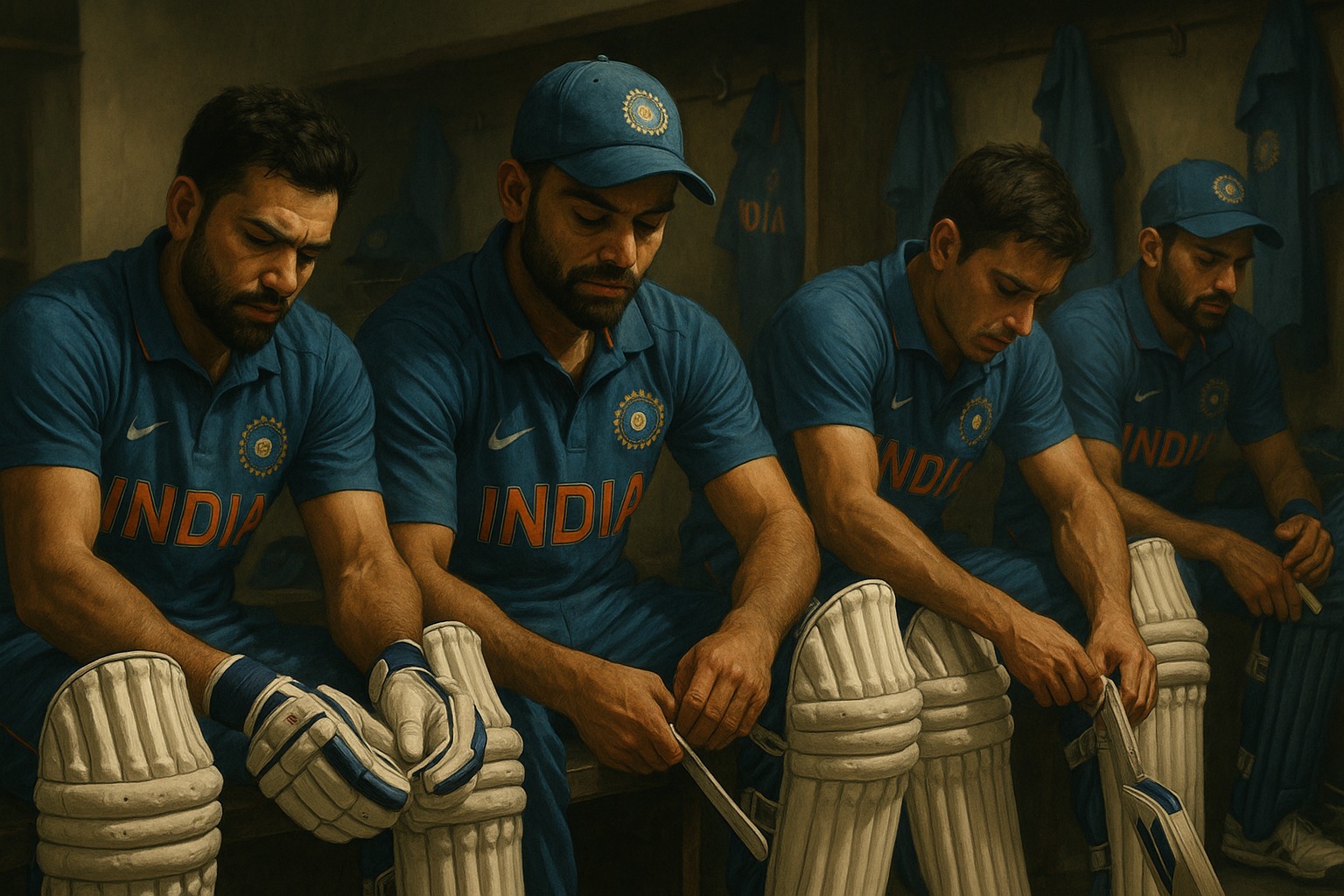
The Asia Cup 2025 has always carried more than just the weight of cricket. Whenever India and Pakistan meet on the pitch, the match transcends sport and becomes a cultural, political, and emotional showdown. As the much-anticipated clash approaches, reports suggest an uneasy calm within India’s dressing room. The debate over whether to boycott or play has already set the narrative, but the real story lies in how the players are handling the pressure of expectations, politics, and rivalry.
The Build-Up to the Clash
The India-Pakistan rivalry in cricket is not new, but this Asia Cup brings fresh tension. Political discourse around bilateral relations has once again spilled into cricket, with sections calling for a boycott. Yet, fans and broadcasters alike push for the marquee contest to go ahead, given its unparalleled global following.
For the Indian team, this backdrop has meant days of intense preparation shadowed by external noise. Team management reportedly held multiple closed-door meetings to prepare players mentally for the occasion.
Backlink: In our earlier coverage of India’s high-pressure cricket rivalries, we explored how these matches often become more than just about runs and wickets.
Dressing Room Mood: Uneasy but Focused
Inside the Indian camp, emotions are running high. Players are aware that a single performance can define careers, narratives, and even national mood. Senior players like Virat Kohli and Rohit Sharma are believed to be calming influences, while younger talents like Shubman Gill and Ishan Kishan are being mentored closely to handle the magnitude of the occasion.
Team sources indicate that anxiety and anticipation coexist in equal measure. The question of boycott lingers in the media, but for the players, focus is shifting toward execution on the field.
Our profile on Shubman Gill’s mindset and growth highlighted how young cricketers prepare for intense matchups.
Boycott Debate: Cricket or Politics?
The larger narrative surrounding the game is not confined to cricket. Political tensions between India and Pakistan continue to shape sporting encounters. Critics of the match argue that playing against Pakistan sends the wrong signal amidst diplomatic strains.
On the other hand, cricket administrators insist that sporting ties can function independently, and pulling out could harm India’s image in international cricket governance. The Board of Control for Cricket in India (BCCI) has so far remained firm on participation, citing fan interest and commercial commitments.
In our feature on politics and cricket diplomacy, we traced how the sport has repeatedly been caught between statecraft and sport.
Pressure on Key Players
Every India-Pakistan match has its heroes and scapegoats. This time, the spotlight falls on:
- Virat Kohli – Still the talisman, expected to anchor the innings under pressure.
- Rohit Sharma – His aggressive starts can dictate India’s momentum.
- Jasprit Bumrah – Seen as the spearhead in countering Pakistan’s batting strength.
- Youngsters – Players like Gill and Kishan may find this the defining stage of their careers.
Managing performance anxiety has become as important as tactical planning.
Fan Expectations and Media Pressure
Perhaps no cricketing event draws as much attention as an India-Pakistan encounter. Television ratings soar, stadiums erupt, and social media becomes a battleground. For players, this means millions of fans dissecting every move.
While the team management emphasizes focusing only on cricket, the external narrative often intrudes. The buzz, however, also fuels adrenaline—turning the contest into one of the most-watched spectacles in the world.
In our article on social media’s role in cricket narratives, we examined how platforms amplify pressure before and after key matches.
The Bigger Picture
Whether India plays or boycotts, the Asia Cup 2025 has already highlighted the inseparable link between cricket and politics. If the match proceeds, it will serve as another chapter in the saga of sport as a cultural battleground. If not, it will mark a moment when diplomacy overshadowed cricket’s ability to unify fans.
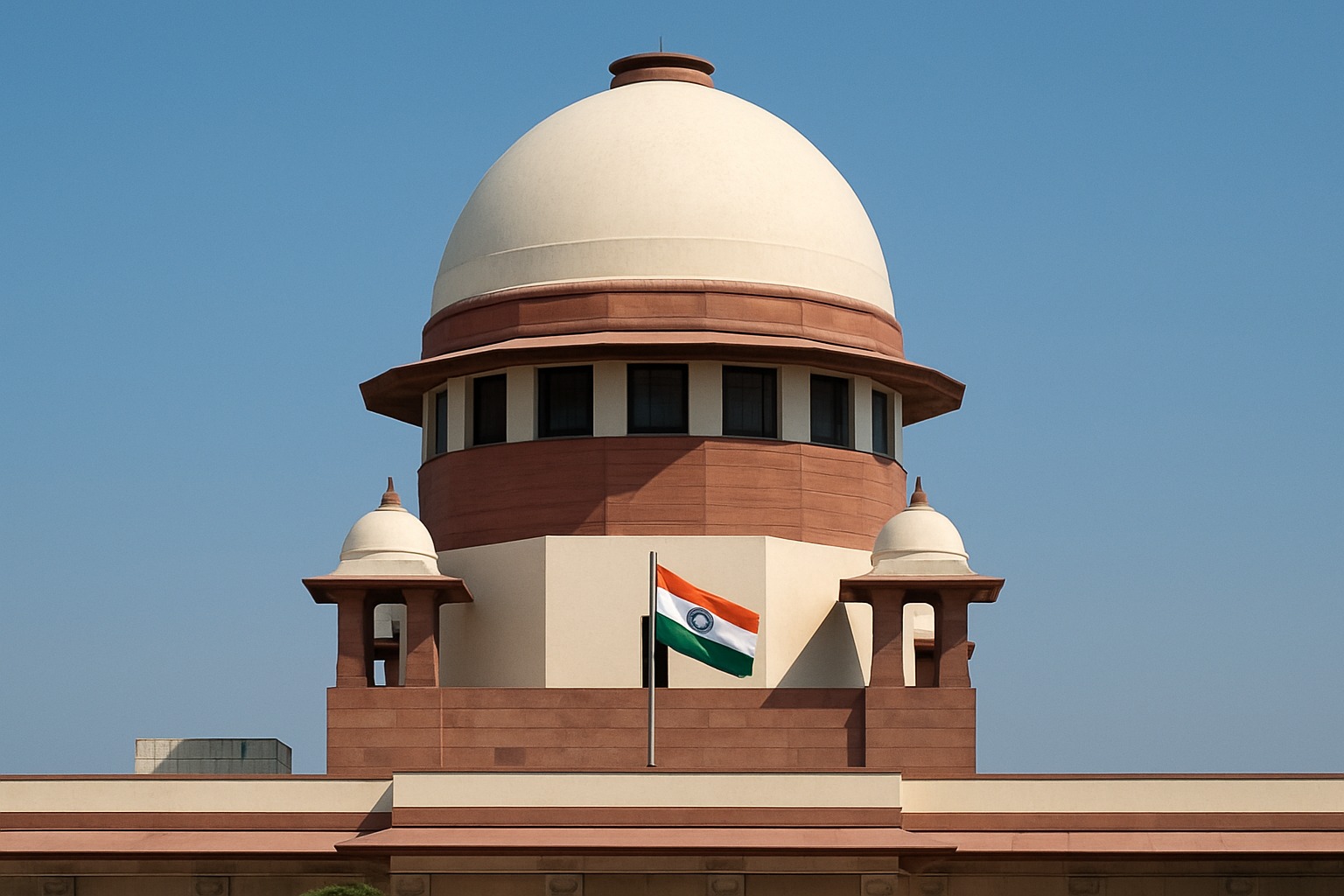
For now, all eyes are on the Supreme Court of Cricket—India’s dressing room—where the biggest decision lies not with administrators but with the players: to walk out with composure or buckle under pressure.
Conclusion
The countdown to the India-Pakistan clash is no longer about just cricket—it is about identity, politics, and pride. The Indian team, caught between external noise and internal pressure, carries the hopes of a billion people. Monday’s match, if it takes place, will once again test not just skills but nerves, faith, and resilience.
Related Posts


Stay Informed With the Latest & Most Important News
Previous Post
Next Post

Advertisement








Advertisement
