

Now Reading: BCCI Plans ‘Invisible’ Boycott Of Pakistan Clash: Report
-
01
BCCI Plans ‘Invisible’ Boycott Of Pakistan Clash: Report


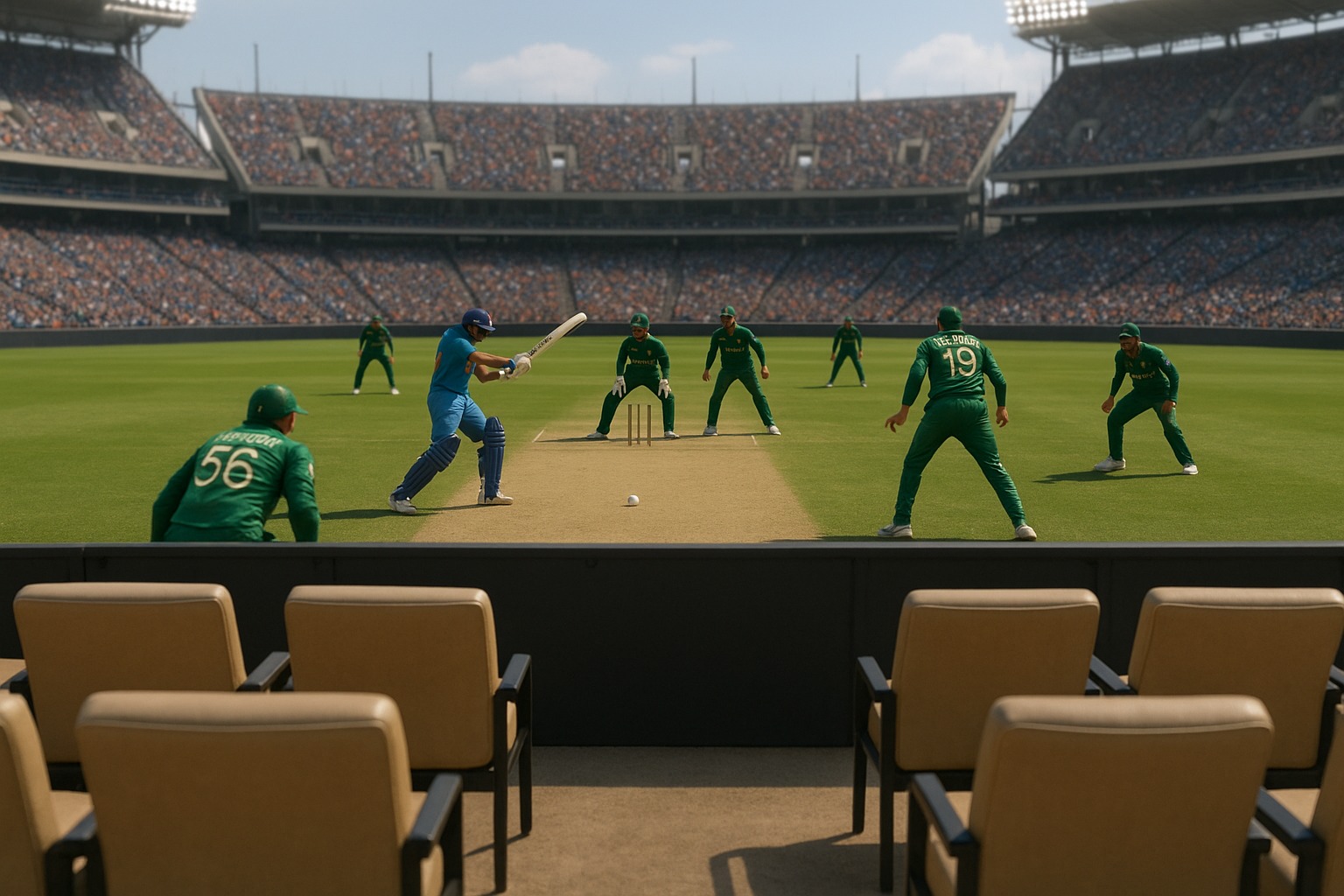
The Board of Control for Cricket in India (BCCI) is reportedly preparing for an ‘invisible boycott’ of the much-anticipated India vs Pakistan Asia Cup match. According to sources, senior Indian cricket officials will not make themselves visible on camera during the game, marking a subtle yet significant form of protest. This move reflects the board’s attempt to balance sporting obligations with political sensitivities surrounding India-Pakistan relations.
Earlier, we covered India-Pakistan cricket tensions.
What Does An ‘Invisible’ Boycott Mean?
Unlike a direct refusal to play, an ‘invisible boycott’ allows the Indian team to take part in the match while minimizing BCCI’s official visibility. Reports suggest BCCI officials will skip ceremonial appearances, avoid being captured on broadcast feeds, and maintain a low-key presence.
Such a strategy highlights how cricket, often described as a bridge between the two nations, remains deeply entangled in political narratives.
Read our detailed piece on politics shaping Indian cricket.
The Political Context Behind The Move
Relations between India and Pakistan remain tense, with ongoing disputes across diplomatic and security fronts. Cricket, as one of the most watched events in both countries, often becomes a symbolic extension of geopolitics.
The ‘invisible boycott’ reflects India’s intent to not fully normalize engagements with Pakistan, even on sporting grounds. While players will continue their on-field rivalry, officials are expected to stay away from any gestures that could be interpreted as political softening.
Past Precedents Of Sporting Boycotts
India has previously distanced itself from cricketing engagements with Pakistan, especially after security-related incidents. However, this time, instead of cancelling participation, the BCCI appears to be adopting a silent protest, showing how diplomacy and sports are being recalibrated.
We explained earlier how India’s cricket diplomacy evolved.
Reactions From Cricket And Political Circles
- Cricket Analysts: Some argue that the step reflects pragmatism — letting the sport continue without signaling political acceptance.
- Political Voices: Leaders sympathetic to this move describe it as a ‘middle path’ between complete disengagement and full normalization.
- Fans’ Perspective: While many fans remain focused on the excitement of the match itself, others see the boycott as unnecessary interference of politics in sports.
Global Implications
The India-Pakistan cricket rivalry is one of the most followed sporting spectacles worldwide. The decision for an ‘invisible boycott’ ensures the match goes ahead, but the message remains clear: India continues to keep political distance while avoiding global backlash for canceling participation.
See our analysis of India’s global cricket diplomacy.
Bigger Picture – Balancing Sports And Politics
For India, cricket against Pakistan has never been just a game. Every match carries the weight of history, politics, and diplomacy. The BCCI’s move showcases how institutions are adapting — allowing players to perform while sending subtle political signals.
This balancing act highlights the complexities of India-Pakistan relations, where even a sporting event becomes a proxy battlefield for national identity and diplomatic posture.
Conclusion
The BCCI’s ‘invisible boycott’ of the Pakistan clash underlines the fragile intersection of sports and politics in South Asia. While the bat and ball will dominate headlines on the ground, the absence of officials on screen will be just as telling.
Related Posts


Stay Informed With the Latest & Most Important News
Previous Post
Next Post


Advertisement





Advertisement
