Now Reading: First Arrest by NIA in Delhi Blast Case Uncovered
-
01
First Arrest by NIA in Delhi Blast Case Uncovered


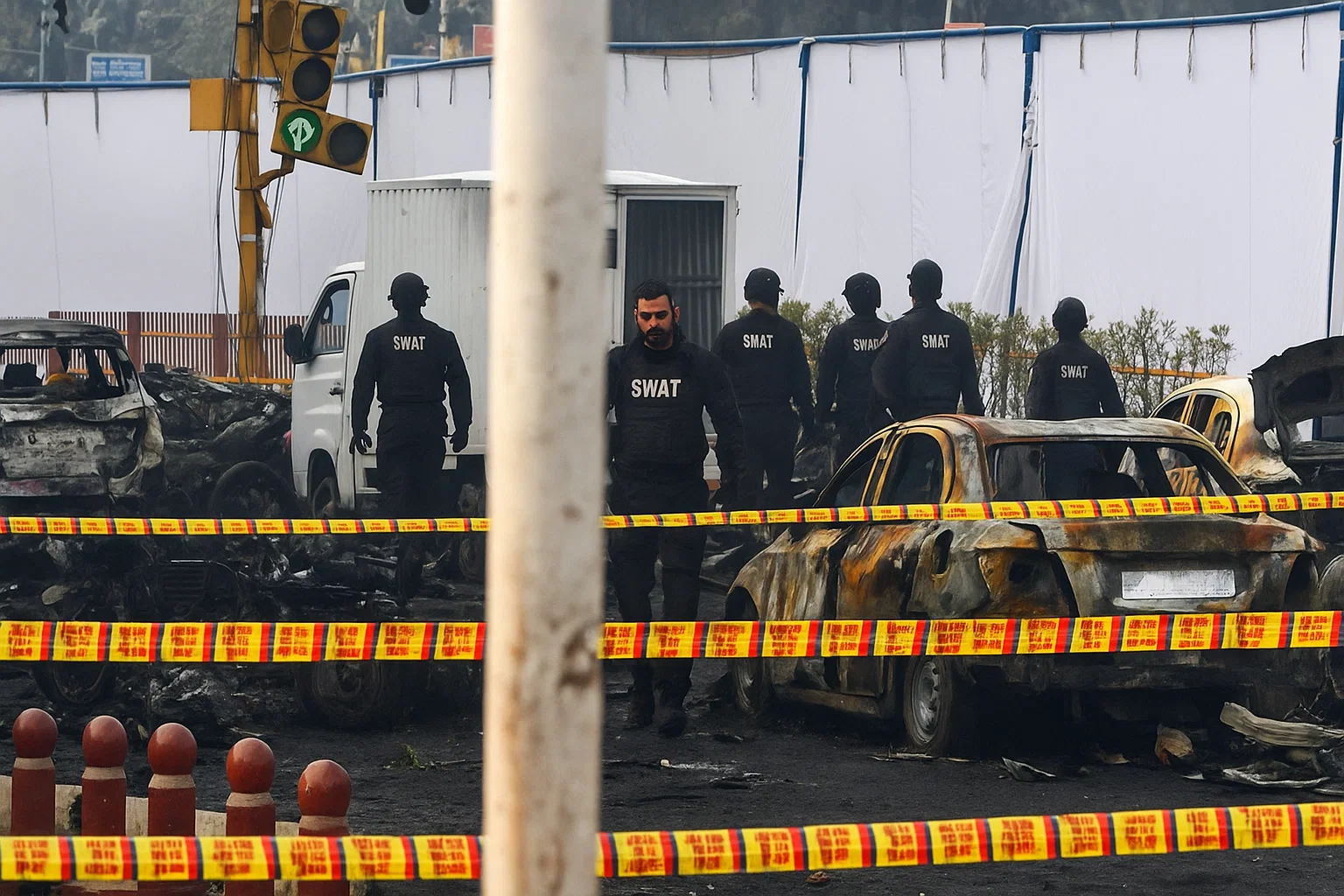
The Editorial Team of Behind The Headlines reports that the National Investigation Agency (NIA) has made its first major arrest in the Delhi blast case. The suspect is identified as an aide of the doctor who allegedly drove the car that exploded near the Red Fort Metro station on November 10 2025. The arrested individual is said to have facilitated purchase and registration of the vehicle used for the attack—marking a key breakthrough in the investigation.
Details / Background
At around the evening rush hour on November 10, a car-based explosion occurred near the Red Fort Metro station in Delhi, with multiple fatalities and injuries. Early forensic analysis revealed the vehicle, a Hyundai i20, was loaded with a large quantity of explosives and was parked near the station before the blast. The investigation was taken up by the NIA, which declared the incident a suicide attack and tagged it as a vehicle-borne improvised explosive device (IED).
The arrested man, a resident of Samboora, Pampore in Jammu & Kashmir, is alleged to have conspired with the doctor accused of driving the car. That doctor, from Pulwama district and associated with a medical college in Faridabad, was confirmed through DNA matching. The car used in the attack was found to be registered in the name of the arrested aide, who travelled to Delhi to facilitate its purchase, according to the NIA statement. Investigating teams have seized multiple vehicles and examined dozens of witnesses as they dig deeper into the terror module.
Analysis
This arrest represents a significant tactical victory for India’s counter-terror grid. First, apprehending the aide helps disrupt the logistical chain behind the attack—moving from conceptual planning to vehicle acquisition and activation. With transport of explosives and vehicles flagged, the arrest may enable investigators to trace the broader network behind this strike. Secondly, the case reveals an emerging pattern of “white-collar” terror modules involving professionals and organised logistics, moving beyond conventional militant cells. Finally, launching the inquiry as a suicide attack signals a shift in how security agencies assess urban terror threats—where everyday vehicles may be used as bombs, making cowlex risk much wider in India’s crowded urban environment.
Reactions / Statements
Delhi authorities and federal agencies have moved swiftly following the blast. A spokesperson for the NIA stated the arrest was a “first major breakthrough” and emphasised that further arrests are expected. State officials from Jammu & Kashmir said they are providing full cooperation, while local political leaders in Delhi condemned the attack and renewed calls for heightened vigilance. Family members of the victims have demanded full transparency in the investigation and quicker compensation processes. Security experts are also cautioning against complacency, pointing out that the arrest of one person is only the beginning of what may be a longer and complex probe.
Bigger Picture / Future Impact
The repercussions of this case extend far beyond the initial explosion. It underlines the vulnerability of urban infrastructure—even heritage sites and metro zones can become terror targets when vehicles are weaponised. In response, national agencies may intensify scrutiny of vehicle purchases, especially in border-region states. Transport and vehicle-registration rules may be reviewed, and intelligence agencies might invest in better surveillance of logistical chains related to terror activities. As India prepares for large public events and gatherings, such as national celebrations and major pilgrimages, the incident will likely lead to a re-assessment of how urban safety is managed and how vehicle-borne IED risks are mitigated.
Conclusion
The first arrest by the NIA in the Delhi blast case signals a decisive moment in the investigation of the Red Fort Metro station explosion. By apprehending a key aide who allegedly enabled the purchase of the car used in the blast, authorities have dealt a blow to the terror module behind the attack. The Editorial Team of Behind The Headlines will continue to follow the investigation as it unfolds—tracking additional arrests, evidence gathering, and the broader implications for national security.
Related Posts

Stay Informed With the Latest & Most Important News
Previous Post
Next Post


Advertisement