

Now Reading: Health Check 2025: Expert Nutritionist Explains Which Supplements Help and Which Could Harm
-
01
Health Check 2025: Expert Nutritionist Explains Which Supplements Help and Which Could Harm

Health Check 2025: Expert Nutritionist Explains Which Supplements Help and Which Could Harm

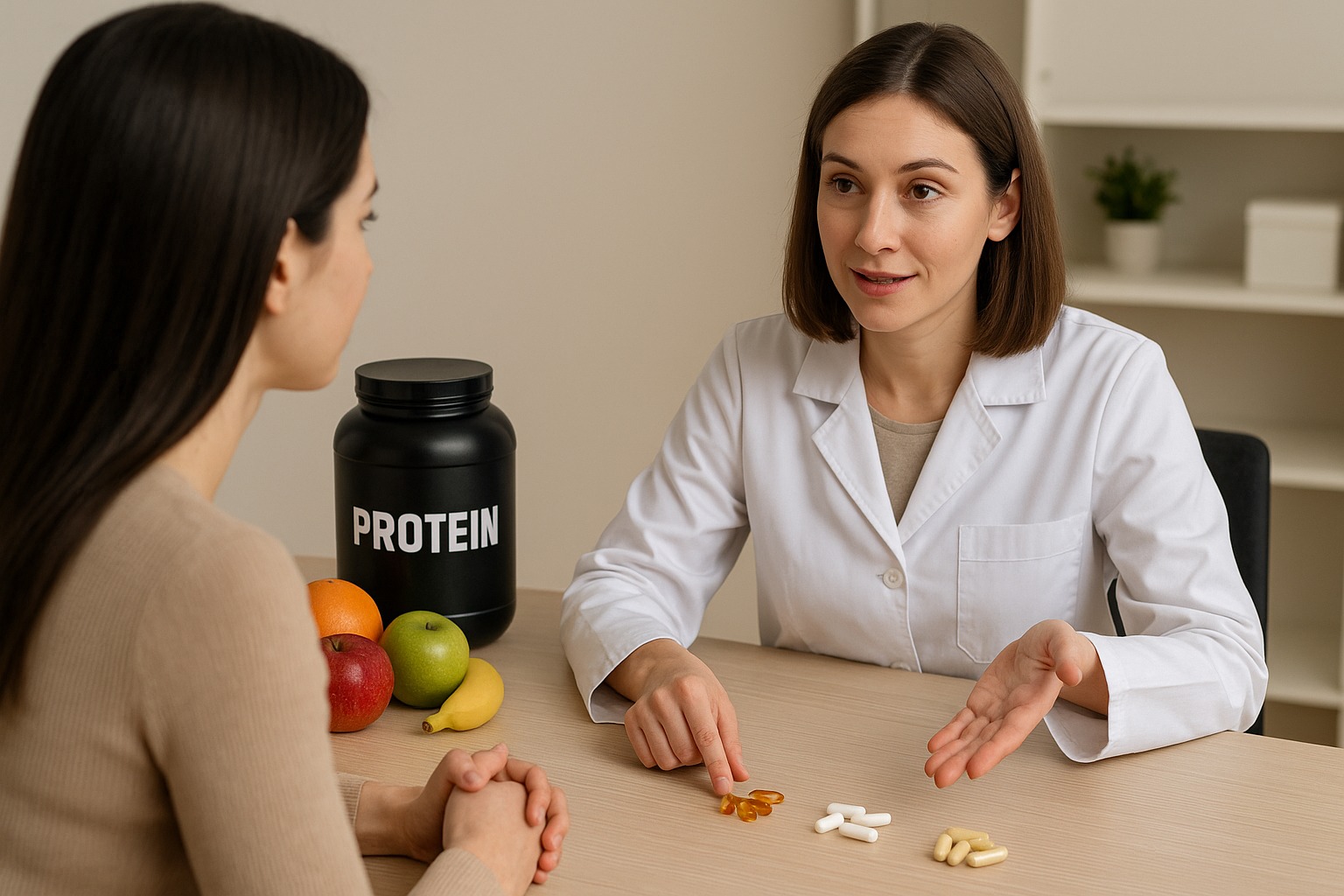
In a health market flooded with pills, powders, and promises, dietary supplements have become a part of daily life for millions. From multivitamins to protein shakes, many people believe these products are shortcuts to better health. But experts caution that not all supplements are created equal—and some may even do more harm than good.
The Editorial Team of Behind The Headlines examines verified advice from nutrition specialists to uncover which supplements are genuinely beneficial, which ones you should be cautious about, and how to make smarter choices in a market often driven by hype rather than science.
The Supplement Boom in India
India has seen a rapid rise in supplement consumption over the past decade.
- Fitness enthusiasts rely heavily on protein powders and pre-workout blends.
- Young professionals use energy boosters and multivitamins to counter long working hours.
- Older adults are increasingly prescribed calcium and vitamin D supplements for bone health.
According to health industry reports, India’s dietary supplement market is projected to cross ₹60,000 crore by 2027, fueled by lifestyle shifts and aggressive marketing.
Why Supplements Are Popular
- Convenience: They promise health benefits without major diet or lifestyle changes.
- Aggressive Marketing: Social media influencers and celebrities endorse supplement brands daily.
- Perceived Necessity: Many believe modern diets fail to provide essential nutrients.
- Preventive Health: Rising awareness of immunity post-Covid has made supplements seem indispensable.
But experts stress that supplements should complement, not replace, a balanced diet.
Supplements You Should Take
Nutritionists highlight some supplements that are safe and effective when prescribed appropriately:
- Vitamin D: Particularly important in India where urban lifestyles limit sun exposure. Helps bone health and immunity.
- Calcium: Useful for post-menopausal women and those with dietary deficiencies.
- Iron: Often recommended for women of reproductive age to combat anemia.
- Vitamin B12: Crucial for vegetarians and vegans who may lack natural sources.
- Omega-3 Fatty Acids: Found in fish oil or algae-based capsules, beneficial for heart and brain health.
These supplements address real deficiencies common in the Indian population and are backed by scientific evidence.
Supplements to Be Cautious About
Not all supplements marketed as “healthy” are harmless. Some can even damage long-term health if taken excessively or without professional guidance.
- Protein Powders: Useful for athletes, but overuse can strain kidneys and liver, especially in those with pre-existing issues.
- Herbal Fat Burners: Often sold online with little regulation; can cause heart palpitations, insomnia, or worse.
- High-Dose Vitamin C: May lead to kidney stones and digestive issues if taken in excess.
- Multivitamin Overuse: Taking high doses of unnecessary vitamins can cause toxicity instead of benefits.
- Unverified Imported Supplements: Many online products are unregulated and may contain harmful additives.
Why Self-Prescribing Supplements Is Risky
Many Indians buy supplements without consulting doctors or dietitians. This trend carries risks:
- Wrong Dosage: Even safe vitamins can cause toxicity if over-consumed.
- Drug Interactions: Supplements may interfere with prescribed medications.
- False Claims: Products often exaggerate results without credible scientific proof.
- Quality Issues: Lack of regulation in the Indian supplement market makes adulteration common.
Experts recommend medical consultation and blood tests before starting any supplement routine.
The Role of Food First
Nutritionists emphasize that a balanced diet should always be the primary source of nutrients.
- Whole foods provide fiber, antioxidants, and complex compounds absent in pills.
- Traditional Indian diets—rich in lentils, leafy greens, seasonal fruits, and dairy—already cover most nutrient needs if balanced correctly.
- Supplements should only “fill gaps” rather than replace meals.
This “food-first approach” ensures long-term health rather than temporary fixes.
Growing Concerns About Teenagers and Supplements
A worrying trend is the rising use of supplements among teenagers.
- Many young gym-goers consume protein shakes and pre-workouts without professional guidance.
- Some buy unverified products from e-commerce platforms, unaware of harmful additives.
- Overconsumption at a young age can lead to kidney strain, hormonal imbalance, and long-term dependency.
Doctors are urging stricter parental awareness and regulation to protect younger consumers.
The Need for Stricter Regulation
Unlike pharmaceuticals, supplements in India do not go through rigorous clinical trials.
- Many imported products bypass regulatory checks.
- Fake or counterfeit supplements flood online markets.
- Labeling often exaggerates benefits and downplays side effects.
Health experts argue that India needs stronger laws to ensure product quality, labeling transparency, and accountability.
Expert Takeaway
- Supplements are not “magic pills.” They help only when real deficiencies exist.
- Overconsumption or misuse can cause more harm than benefit.
- The safest approach: consult professionals, get tested, and focus on food-first nutrition.
Conclusion
The world of supplements is booming, but blind trust in pills is not the answer to better health. The right supplements—Vitamin D, B12, iron, calcium, omega-3s—can genuinely help if taken under expert guidance. But self-prescribed protein powders, herbal fat burners, or unregulated imports may pose silent health risks.
For India’s growing health-conscious population, the message is clear: don’t fall for hype, don’t copy influencers, and never ignore the power of real food. Supplements may support health, but they should never become a substitute for balanced nutrition.
The Editorial Team of Behind The Headlines will continue to separate facts from fads, ensuring readers make safe, evidence-based choices in health and wellness.
Related Posts



Stay Informed With the Latest & Most Important News


Advertisement









Advertisement
