

Now Reading: India and New Zealand Sign Landmark Free Trade Agreement
-
01
India and New Zealand Sign Landmark Free Trade Agreement


In a significant diplomatic and economic stride, India and New Zealand have officially concluded a historic Free Trade Agreement (FTA). The landmark announcement was made today by Indian Prime Minister Narendra Modi and his New Zealand counterpart, Christopher Luxon, marking a new chapter in their bilateral relations. This agreement, remarkably finalized within a record timeframe of just nine months, underscores both nations’ strong commitment to bolstering economic cooperation amidst a dynamic global trade landscape. The swift conclusion reflects a shared vision to expand trade and investment, fostering mutual growth and stability.
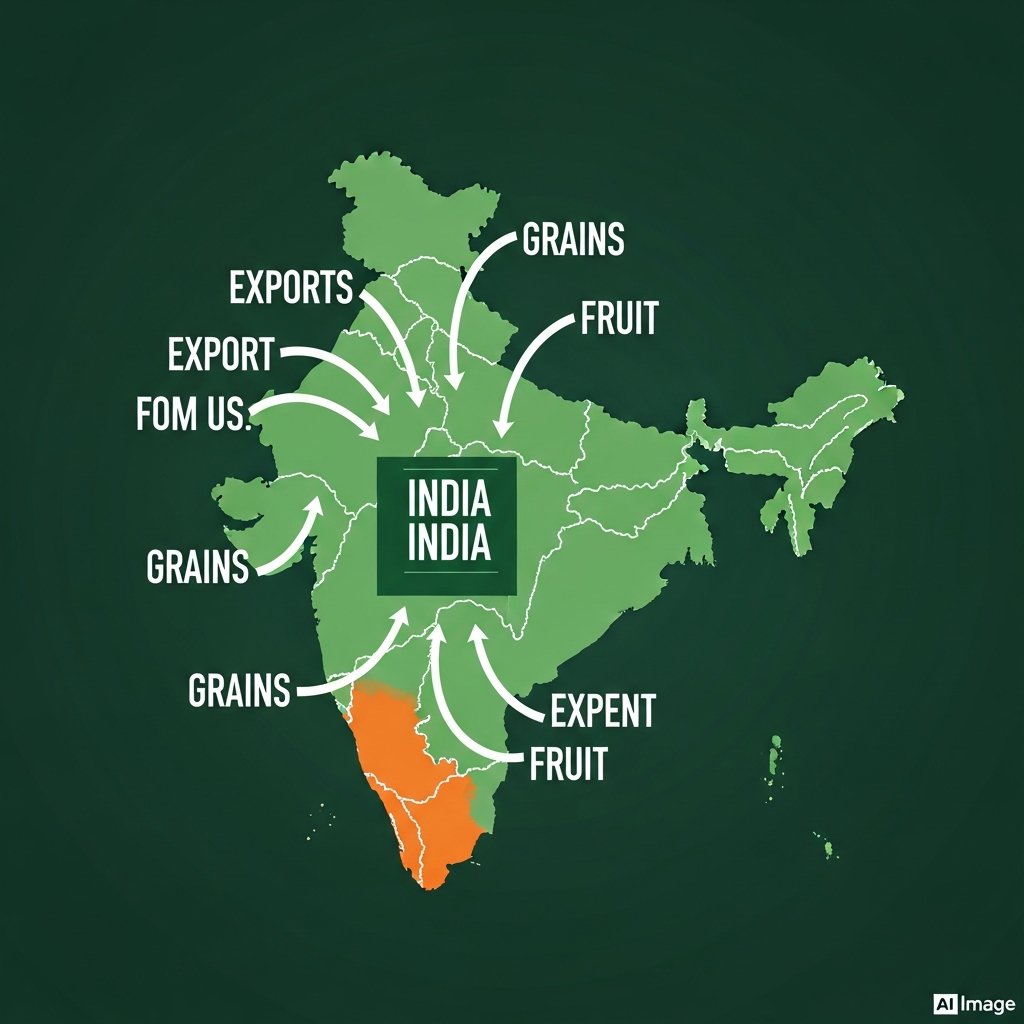
Under the comprehensive terms of this agreement, India will gain unprecedented zero-duty-export access for all its goods to the New Zealand market. This is a substantial advantage for Indian manufacturers and exporters, opening up new avenues for their products. Conversely, New Zealand will receive significant duty concessions and enhanced market access for approximately 70% of India’s tariff lines. This phased approach is designed to cover 95% of New Zealand’s exports to India, ensuring a gradual yet robust integration of their economies.
However, recognizing the sensitivities of its domestic industries, India has strategically excluded certain key sectors from the agreement. These include critical agricultural and animal products such as dairy (milk, cream, whey, yoghurt, and cheese), along with other important items like goat meat, onions, and almonds. This selective exclusion aims to protect vulnerable Indian producers while still facilitating broader trade liberalization. The careful balance struck in the agreement demonstrates a pragmatic approach to fostering international trade without undermining national economic interests.
The ambitious goals set by both countries highlight the strategic importance of this FTA. India and New Zealand are aiming to double their bilateral trade volume within the next five years, building upon the current figure of $2.4 billion recorded in 2024. Furthermore, New Zealand has committed to investing a substantial $20 billion in India over the next 15 years, signaling long-term confidence in the Indian economy. These targets underscore the potential for significant economic expansion and job creation in both nations.
This agreement is a pivotal component of India’s broader economic strategy, which involves diversifying its export destinations and mitigating the impact of various global trade challenges, including steep U.S. import tariffs. By forging new trade partnerships that complement its existing economic structure, India is positioning itself for sustained growth. The country is actively pursuing similar comprehensive agreements, with advanced talks currently underway with the European Union and Chile, and a recent successful signing of a comprehensive economic partnership agreement with Oman. These initiatives collectively aim to create a robust and resilient trade network for India on the international stage.
Related Posts

Stay Informed With the Latest & Most Important News
Previous Post
Next Post


Advertisement








Advertisement
