Now Reading: India Signs 1-Year Deal to Import LPG From US
-
01
India Signs 1-Year Deal to Import LPG From US


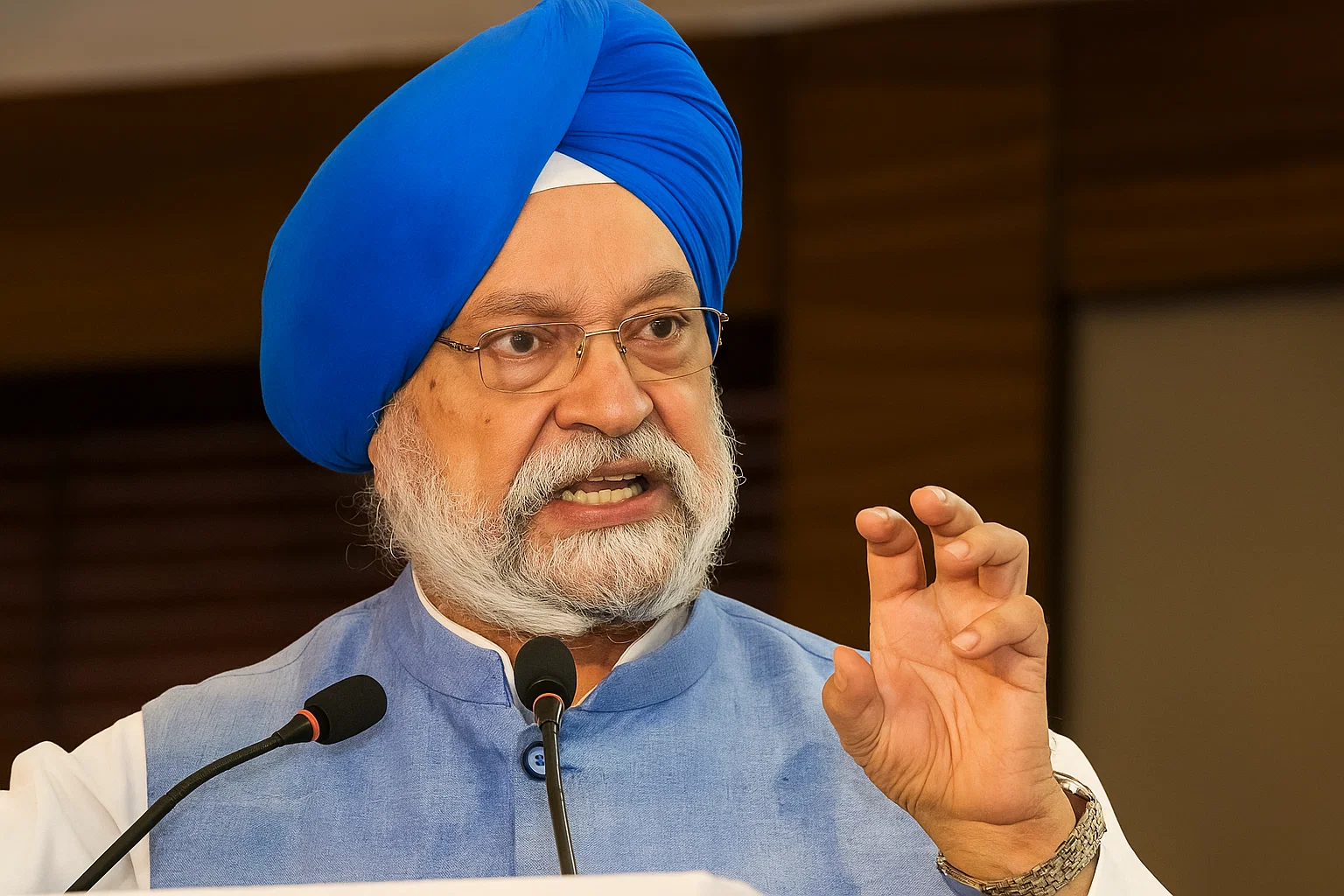
The Editorial Team of Behind The Headlines reports that India has signed a one-year deal to import liquefied petroleum gas (LPG) from the United States. Announced by Union Minister Hardeep Singh Puri, the contract covers around 2.2 million tonnes per annum (MTPA) of LPG for the contract year 2026, representing about 10 % of India’s total annual LPG imports. This deal marks the first structured agreement of its kind between India and the US in the LPG sector, aimed at diversifying supply sources and boosting energy security.
Details / Background
India currently remains one of the world’s largest consumers of LPG, with substantial reliance on imports from the Middle East and other regions. The newly signed deal involves state-owned oil companies — Indian Oil Corporation Limited (IOCL), Bharat Petroleum Corporation Limited (BPCL) and Hindustan Petroleum Corporation Limited (HPCL) — sourcing LPG from the US Gulf Coast region under a one-year contract. The deal is said to have been benchmarked to the US Mont Belvieu pricing hub. With India aiming to secure affordable and stable LPG supplies for households—particularly beneficiaries of the Pradhan Mantri Ujjwala Yojana—this agreement forms a key part of the country’s energy-diversification roadmap.
Analysis
The US LPG import deal signifies a strategic pivot in India’s energy-sourcing policy. First, by locking in nearly 10 % of its LPG requirements from the US, India begins reducing its dependence on traditional suppliers in the Middle East and neighbouring regions. This may contribute to greater supply reliability and cost control. Second, sourcing from the US is likely to broaden India’s negotiating power and create competitive pressure on other suppliers. Thirdly, the deal reflects a close alignment of India–US energy relations, potentially facilitating further agreements in crude oil, gas, and renewable segments. Nonetheless, the one-year term means India will need to monitor supply-chain performance, shipping logistics and price-benchmarked implications closely.
Reactions / Statements
Hardeep Singh Puri described the agreement as a “historic first”, noting that diversifying LPG sourcing helps India secure affordable fuel for millions of households. He also highlighted how Indian consumers under the Ujjwala scheme were protected during past price surges, when the government absorbed billions in subsidy costs. Executives at the PSU oil firms have welcomed the deal, emphasizing its significance for long-term planning and energy security. Market analysts have observed that while the contract is short-term, it sets a precedent for more structured imports and could influence the pricing dynamics of the domestic LPG market. Consumer-rights groups have urged transparency on pricing and supply-assurances to maintain affordability.
Bigger Picture / Future Impact
Beyond the immediate import volumes, the deal carries broader implications. For India, it signals a commitment to diversify its energy import basket and reduce geopolitical supply risks. This may prompt policy shifts in how imports are contracted and priced. For the US, the agreement represents a growing foothold in one of the world’s fastest-growing LPG markets, reinforcing bilateral energy ties. Looking ahead, India may pursue longer-term contracts, consider import tax adjustments, and expand logistical infrastructure for LNG and LPG import termination. The move also aligns with India’s broader aim of achieving greater energy-resilience and could act as a catalyst for future trade and energy-cooperation treaties.
Conclusion
While this one-year contract to import 2.2 MTPA of US-sourced LPG marks a major milestone, its ultimate value will depend on how efficiently supply chains operate, how well the pricing holds and whether this leads to more sustained deals in the future. The Editorial Team of Behind The Headlines will continue tracking the performance of this agreement and its implications for India’s energy ecosystem. For now, the message is clear: India is taking concrete steps to secure its cooking-gas supply and make it less vulnerable to global shocks.
Related Posts



Stay Informed With the Latest & Most Important News
Previous Post
Next Post


Advertisement