

Now Reading: India’s Jet Engine Leap: From Kaveri’s Failure to Safran’s Breakthrough
-
01
India’s Jet Engine Leap: From Kaveri’s Failure to Safran’s Breakthrough


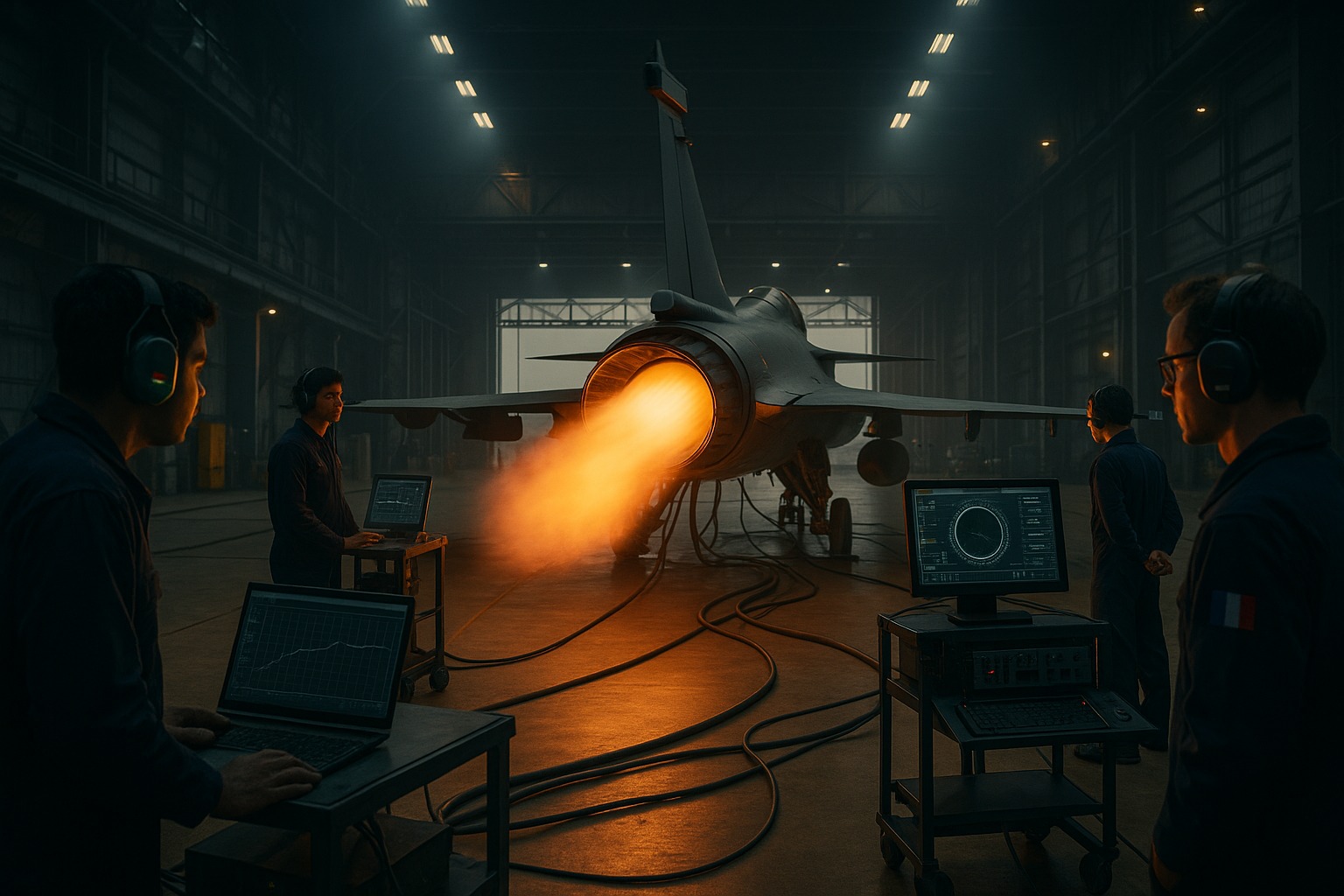
India’s decades-long dream of developing a world-class jet engine has taken a decisive turn. After the setbacks of the indigenous Kaveri engine project, the country is now moving ahead with a landmark partnership with French aerospace giant Safran. This collaboration is being hailed as a critical step in India’s journey toward defense self-reliance. With technology transfer, advanced design support, and future production plans, India is preparing to enter the elite league of nations capable of producing cutting-edge jet propulsion systems.
The Kaveri Engine: India’s First Attempt
The Kaveri project, initiated in the 1980s under the Defence Research and Development Organisation (DRDO), aimed to power the indigenous Light Combat Aircraft (LCA) Tejas. Despite years of investment and research, the engine faced multiple challenges:
- Insufficient thrust for fighter jet requirements.
- Problems with weight-to-thrust ratio.
- Delays in achieving flight-worthy certification.
By 2014, the government officially shelved the plan for integration into fighter jets, though the Kaveri program continues in a modified form for drones and auxiliary platforms.
Why Jet Engines Are So Complex
Building a modern jet engine is one of the most advanced technological challenges. Nations like the US, Russia, and France have guarded this know-how for decades. Jet engines require mastery in:
- High-temperature alloys and materials.
- Precision manufacturing at micro levels.
- Aerodynamic efficiency and fuel optimization.
- Long durability under extreme stress.
This explains why India, despite its progress in missiles, space, and nuclear tech, struggled to develop a world-class fighter engine on its own.
Safran’s Breakthrough and India’s Partnership
In recent years, France’s Safran has emerged as a trusted defense partner for India. The latest collaboration involves co-developing a state-of-the-art jet engine for future fighter jets. Key highlights of the deal include:
- Technology transfer agreements ensuring India gains critical know-how.
- Joint production facilities planned on Indian soil.
- Advanced R&D collaboration between Safran engineers and DRDO scientists.
- Roadmap to integrate the engine into India’s future combat aircraft, including the Advanced Medium Combat Aircraft (AMCA).
This marks a significant departure from earlier collaborations, where India often remained only a buyer, not a co-developer.
How This Boosts India’s Self-Reliance Goals
The jet engine partnership with Safran aligns with the government’s Atmanirbhar Bharat vision in defense. The benefits include:
- Reduced dependency on foreign suppliers for critical military hardware.
- Strengthening India’s aerospace ecosystem with jobs and investments.
- Potential to export engines and aircraft in the long term.
- Strategic independence in military operations, avoiding supply-chain disruptions during conflicts.
Lessons from the Kaveri Setback
The Kaveri engine may have failed to meet fighter requirements, but it provided India with invaluable experience in aerodynamics, metallurgy, and testing. Experts believe this foundation is now helping Indian scientists absorb Safran’s advanced inputs more effectively.
Geopolitical Significance of the Safran Deal
This collaboration also has international implications:
- It deepens India–France defense ties, already strong with the Rafale aircraft deal.
- It positions India as a rising force in the aerospace sector.
- It signals to global powers that India is determined to move beyond dependency into the realm of co-creation and innovation.
Industry and Expert Reactions
Aerospace experts and former Air Force officials have welcomed the move. They highlight that mastering jet engines will give India:
- Greater bargaining power in global defense contracts.
- A stronger case for joining high-tech defense alliances.
- A role in setting future aviation standards, especially in Asia.
Bigger Picture: India’s Aviation Future
Beyond military jets, mastering jet engine technology can impact civilian aviation. India could eventually develop indigenous engines for commercial planes, reducing imports and building a robust domestic industry. It could also inspire startups and research institutions to innovate in aerospace and related fields.
Conclusion
From the disappointment of the Kaveri engine to the promise of Safran’s collaboration, India’s jet engine journey reflects resilience, learning, and ambition. While challenges remain, this partnership marks a turning point, bringing India closer to achieving true self-reliance in defense technology. For a nation aiming to be a global power, mastering jet engines may well be the leap that defines the future.
Related Posts


Stay Informed With the Latest & Most Important News
Previous Post
Next Post

Advertisement








Advertisement
