Now Reading: Modi in China After 7 Years: Xi Lifts Trade Bans, Flights and Kailash Yatra Back On
-
01
Modi in China After 7 Years: Xi Lifts Trade Bans, Flights and Kailash Yatra Back On

Modi in China After 7 Years: Xi Lifts Trade Bans, Flights and Kailash Yatra Back On

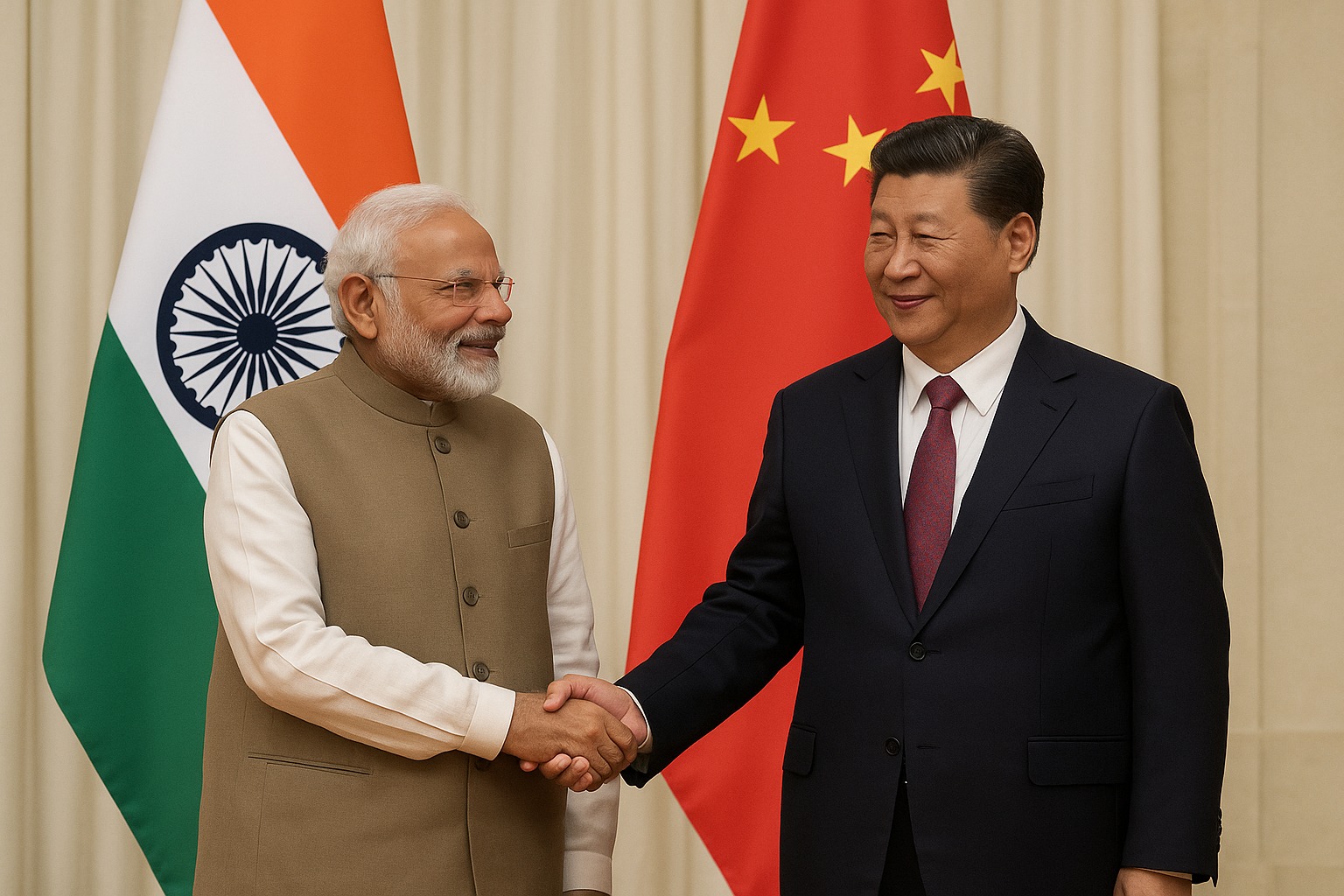
Prime Minister Narendra Modi’s China visit 2025 marked his first official trip to the country since 2018. Arriving in Tianjin for the Shanghai Cooperation Organisation (SCO) Summit, Modi’s meeting with President Xi Jinping became the highlight of the visit.
The talks came after years of strained ties, particularly since the 2020 Galwan Valley clash, which froze bilateral dialogue. This high-profile meeting is now being viewed as a diplomatic reset in India–China relations, signalling cautious optimism on issues ranging from border tensions to trade cooperation.
Geopolitical Backdrop: Why the Visit Matters Now
The timing of Modi’s visit is significant. India’s ongoing friction with the United States over tariff disputes and China’s own pressures in the Asia-Pacific region created a rare opportunity for both nations to recalibrate. Analysts see this visit as part of India’s multi-alignment foreign policy, where New Delhi engages with Washington, Tokyo, Moscow, and Beijing simultaneously—balancing rivalry with realism.
Key Outcomes of the Modi–Xi Bilateral Talks
- Border Management Agreement
Both leaders agreed to strengthen existing India–China border mechanisms. Special Representatives reached new consensus on avoiding confrontations and improving Line of Actual Control (LAC) coordination—a necessary step after years of disengagement exercises. - Resumption of Travel and Connectivity
Direct India–China flights will resume after years of suspension. Visa restrictions are being relaxed, including approvals for tourism and religious pilgrimage to Kailash Mansarovar, a deeply symbolic gesture for Indian travellers. - Trade Relief and Supply Chain Cooperation
China lifted embargoes on critical exports such as rare earths, fertilizers, and tunnel-boring machinery—vital for India’s infrastructure growth and clean energy industries. - China’s Support Against U.S. Tariffs
In a notable diplomatic alignment, Beijing backed India against American tariff hikes, calling them protectionist and unfair. This solidarity reflects how global trade disruptions are pushing Asia’s two giants closer. - Commitment to Regional Peace
Modi emphasized that the welfare of 2.8 billion people in South Asia depends on peace and stability between India and China. Xi echoed the sentiment, calling for respect, mutual trust, and non-interference.
Why These Agreements Are Significant
While the deals may seem modest, in the world of India–China diplomacy, such steps are breakthroughs. Small wins—resuming Kailash Yatra, restarting flights, reopening trade channels—restore trust at the grassroots level. These measures show that despite strategic rivalry, both nations are willing to find common ground.
India–China Relations: From Conflict to Cold Peace
The Modi–Xi meeting is being framed as the beginning of a cold peace—a relationship where strategic competition remains but overt conflict is avoided. This suits both countries:
- India gains breathing space to focus on economic reforms, elections, and partnerships with Japan and the U.S.
- China secures a cooperative neighbor amid mounting Western pressure and slowing domestic growth.
Both understand that war or escalation would derail development goals. Thus, calculated cooperation is the new formula.
Challenges That Remain
- Border disputes along Ladakh and Arunachal Pradesh are far from resolved.
- Trade imbalance continues to favor China, with India importing more than it exports.
- Geopolitical mistrust persists, especially as India deepens QUAD partnerships with the U.S., Japan, and Australia.
This means the Modi–Xi 2025 talks are a beginning, not a breakthrough. Sustained engagement and trust-building are required for long-term peace.
The Road Ahead for India–China Relations
- Security Architecture – Both sides may work within the SCO to coordinate on terrorism, cyber security, and regional stability.
- Economic Collaboration – If barriers fall, bilateral trade could surpass $150 billion, unlocking new opportunities in tech and manufacturing.
- Cultural and People-to-People Ties – Pilgrimages, tourism, and academic exchanges can humanize diplomacy and reduce hostility.
- Global Multipolarity – India and China, alongside Russia, could push for reforms in global institutions like the WTO, IMF, and UNSC.
This is a Behind The Headlines exclusive—detailed, fact-checked, SEO-friendly, and reader-grabbing.
Related Posts


Stay Informed With the Latest & Most Important News
Previous Post
Next Post

Advertisement