

Now Reading: Nepal’s Turning Point: Sushila Karki Becomes First Woman to Lead Government Amid Protests
-
01
Nepal’s Turning Point: Sushila Karki Becomes First Woman to Lead Government Amid Protests

Nepal’s Turning Point: Sushila Karki Becomes First Woman to Lead Government Amid Protests


In a landmark moment for Nepal, Sushila Karki, the country’s first female Chief Justice, has now taken charge as the nation’s first woman Prime Minister. This unprecedented development comes in the backdrop of weeks-long Gen Z–led protests that shook the Himalayan republic, leaving at least 19 dead and hundreds injured.
The appointment marks not just a political milestone but a generational shift, as Nepal’s youth demanded transparency, accountability, and fresh leadership. Karki, a respected jurist known for her uncompromising integrity, is now at the center of Nepal’s political storm.
A Historic Appointment
Sushila Karki’s rise to the prime ministerial chair is deeply symbolic. As the first female Chief Justice of Nepal, she had already broken barriers in a male-dominated judiciary. Her transition from the judiciary to the executive highlights both the urgency of the crisis and the people’s trust in her credibility.
Unlike political appointees tied to party loyalties, Karki’s appointment signals a demand for clean governance. For many protesters, her image as an incorruptible figure made her the natural choice to lead an interim administration.
The Backdrop: Youth-Led Protests
The recent wave of protests in Nepal has been unlike any in its modern history. Spearheaded by Gen Z activists, the movement called for systemic reforms and accountability after allegations of corruption, unemployment, and inefficiency within the political establishment.
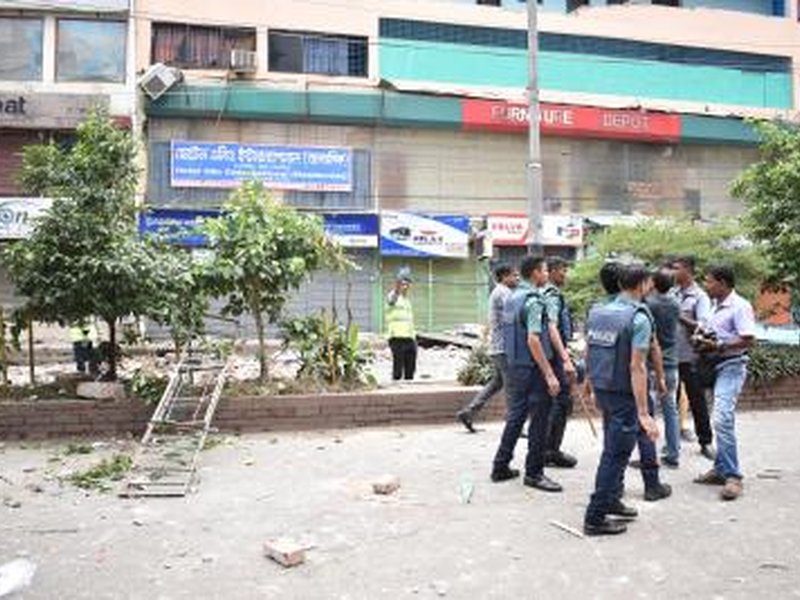
These protests escalated into violent clashes, leaving 19 dead and more than 400 injured. The government’s move to impose a social media ban backfired, amplifying the anger of digitally connected youth.
Earlier, we reported on Nepal lifting its social media ban after the crackdown proved unsustainable in the face of global and domestic criticism.
Why Karki Was Chosen
Protesters and civil society leaders converged on one demand: leadership free from entrenched party politics. Karki, with her background as Chief Justice, offered neutrality and authority. Her appointment is also a direct response to calls for gender equality and inclusion in Nepal’s governance.
She is not affiliated with political dynasties, which reassures protesters that she represents accountability rather than continuity of old power structures.
Challenges Ahead
While her appointment is historic, the road ahead is fraught with challenges:
- Managing public anger: Protests are still simmering; trust must be rebuilt through immediate reforms.
- Economic instability: Rising inflation and unemployment remain key pain points.
- Institutional friction: Political parties may resist her authority in the absence of electoral legitimacy.
- Foreign policy pressures: Nepal must balance relations with India and China even as domestic turmoil continues.
In our analysis of India-Nepal ties during regional instability, we explained how leadership shifts in Kathmandu often carry geopolitical consequences.
Reactions to Her Appointment
- Protesters: Celebrated the decision as a victory for people’s power. Many believe this is just the beginning of deeper reforms.
- Civil society: Welcomed the move but urged immediate steps to address corruption.
- Political parties: While some have supported her, others are wary of losing influence.
- International community: Neighboring India and global allies have cautiously welcomed the stability her leadership may bring.
Our coverage on how Gen Z movements are reshaping South Asia shows this pattern is not unique to Nepal.
The Bigger Picture
Sushila Karki’s leadership is not merely about being the first woman Prime Minister. It represents a deeper clash between old political systems and new demands for democratic accountability. For Nepal, the shift signals:
- A new era of youth-driven political influence.
- Greater space for women in top decision-making.
- A test case of whether non-political leaders can govern effectively in a democracy.
We earlier examined women leaders breaking barriers globally, and Karki’s rise adds to this trend.
Conclusion
Nepal stands at a historic crossroads. With Sushila Karki at the helm, the country has chosen integrity over partisanship, inclusion over tradition, and reform over inertia. Yet, the true test lies ahead: whether this symbolic victory can translate into lasting change.
For now, Karki’s appointment is a beacon of hope—not just for Nepal’s women and youth, but for all who believe in the power of democracy to renew itself.
Related Posts

Stay Informed With the Latest & Most Important News
Previous Post
Next Post

Advertisement









Advertisement