

Now Reading: Oral Cancer Strikes Early: Why People in Their 30s and 40s Are Now at Risk
-
01
Oral Cancer Strikes Early: Why People in Their 30s and 40s Are Now at Risk

Oral Cancer Strikes Early: Why People in Their 30s and 40s Are Now at Risk

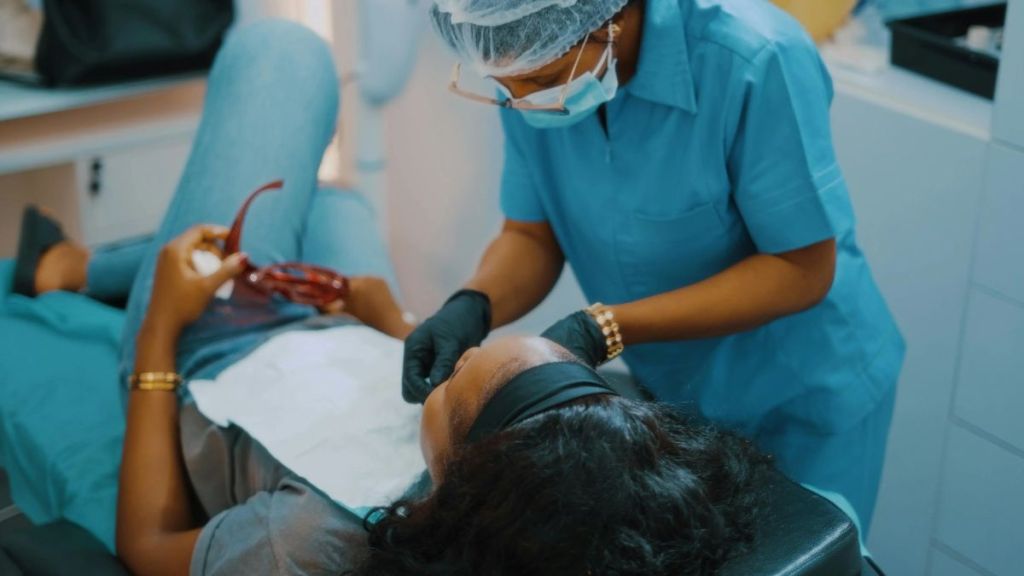
For decades, oral cancer was seen as a disease of older adults, often linked to long-term tobacco use, smoking, and alcohol consumption. However, recent medical data shows a worrying shift. More people in their 30s and 40s are being diagnosed with oral cancer, turning what was once considered a late-life health issue into a growing concern for younger generations. Experts point out that while traditional risk factors like tobacco and alcohol remain major causes, new lifestyle patterns, dietary habits, and even viral infections are expanding the risk base.
Why Younger People Are Now at Risk
1. Tobacco and Alcohol Still Lead the Chart
Chewing tobacco, smoking, and frequent alcohol intake remain the most significant contributors. But what is alarming is that young adults are consuming these products at earlier ages and in more diverse forms, including flavored hookahs, e-cigarettes, and chewing products marketed as “safer alternatives.”
2. Poor Lifestyle and Processed Diets
The rise in junk food, lack of fresh fruits and vegetables, and reduced immunity are emerging as contributing factors. Poor nutrition weakens the body’s defense system, making the oral cavity more vulnerable.
3. HPV (Human Papillomavirus) Link
Doctors increasingly highlight HPV infection as a significant risk factor for oral and throat cancers among young adults. With changing social behaviors, the virus has become a silent driver of cases in people who have no history of tobacco or alcohol use.
4. Stress and Weakened Immunity
High-stress lifestyles, irregular sleep, and sedentary routines are impacting overall health. Medical professionals note that chronic stress can reduce immunity, leaving the body less equipped to fight off precancerous changes.
Warning Signs That Often Go Ignored
One reason oral cancer in younger adults is often detected late is because its early symptoms are mistaken for minor oral issues.
- Non-healing mouth ulcers
- Persistent sore throat or hoarseness
- White or red patches inside the mouth
- Difficulty in chewing or swallowing
- Swelling in the jaw or neck
Doctors stress that any oral sore lasting beyond 2 weeks must not be ignored. Early detection significantly improves recovery chances.
Medical Community’s Growing Concern
Oncologists across India and globally are warning that the age profile of oral cancer patients is shifting. Once dominated by those above 55, cancer wards are now seeing patients in their 30s and 40s. In some urban hospitals, up to 20–25% of new oral cancer cases are reported in this age bracket.
This has prompted calls for early screening programmes, especially in regions with high tobacco consumption, as well as awareness drives in schools and colleges.
The Larger Social Impact
The economic and emotional toll of oral cancer among younger patients is severe. These are individuals often in the prime of their working lives, supporting families and building careers. The illness not only disrupts livelihoods but also places a long-term financial burden on households due to costly treatments like surgery, chemotherapy, and radiation.
Steps Towards Prevention
Public health experts emphasize that oral cancer is largely preventable with lifestyle changes:
- Quit tobacco and limit alcohol use immediately.
- Maintain oral hygiene and get regular dental check-ups.
- Eat a balanced diet rich in antioxidants, fruits, and vegetables.
- Get vaccinated against HPV to reduce infection-related risks.
- Be alert to warning signs and seek medical advice early.
Conclusion
Oral cancer is no longer confined to the elderly. The disease is moving into younger demographics, making it a public health challenge that cannot be ignored. The shift underlines the urgent need for stronger awareness, early detection programmes, and lifestyle interventions to protect people in their most productive years.
If ignored, the trend threatens to burden not just individuals, but society at large. The message is clear: prevention and vigilance are the strongest weapons against this growing epidemic.
Related Posts


Stay Informed With the Latest & Most Important News
Previous Post
Next Post


Advertisement








Advertisement
