

Now Reading: PM Modi to Launch Bengaluru Metro’s Yellow Line Today: 10 Key Facts You Should Know
-
01
PM Modi to Launch Bengaluru Metro’s Yellow Line Today: 10 Key Facts You Should Know

PM Modi to Launch Bengaluru Metro’s Yellow Line Today: 10 Key Facts You Should Know


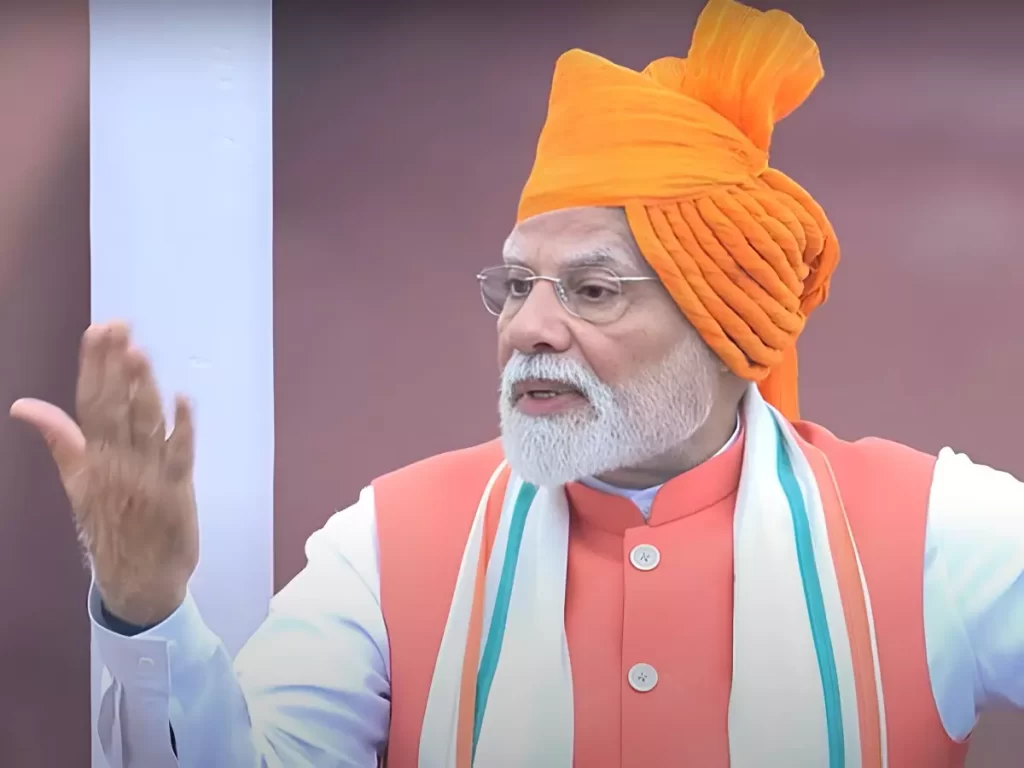
The long-awaited Yellow Line of the Bengaluru Metro is finally ready for passengers, and Prime Minister Narendra Modi will formally inaugurate it today. This project is set to bring major relief to thousands of daily commuters, especially those traveling between south Bengaluru and the city’s technology hub.
Our editorial team has verified all available details to bring you a comprehensive breakdown of what this new metro line means for the city, its people, and the economy.
1. The Yellow Line Route
The Yellow Line will connect R.V. Road in the south to Bommasandra in the southeast, covering a distance of 18.8 kilometers. This route will serve key residential, commercial, and industrial areas, making travel more efficient.
2. Number of Stations
The line has 16 stations in total, including important stops like Jayadeva Hospital, HSR Layout, Electronics City, and Bommasandra. These stations will significantly improve connectivity for both office-goers and residents.
3. Reduced Travel Time
Currently, many commuters rely on road transport, which can take up to 90 minutes during peak hours for the same stretch. With the Yellow Line, travel time is expected to reduce to 30–35 minutes, saving at least an hour for daily travelers.
4. Boost for Electronics City
Electronics City, home to major IT companies, will be one of the biggest beneficiaries. Thousands of tech employees are expected to switch to the metro, reducing traffic congestion and vehicle emissions in the area.
5. Interchange Facilities
The Yellow Line will connect with the Green Line at R.V. Road, allowing passengers to change routes without leaving the metro system. This integrated connectivity will make cross-city travel much easier.
6. Driverless Train Technology
While the Yellow Line will initially operate with drivers, it is equipped with systems to enable driverless operations in the future, in line with global metro standards.
7. Economic Impact
Metro connectivity typically boosts local business growth, increases real estate demand near stations, and attracts new investments. Experts predict that areas along the Yellow Line could see property price appreciation and higher footfall for businesses.
8. Safety & Passenger Facilities
The stations are equipped with CCTV surveillance, emergency help points, modern ticketing systems, and disabled-friendly infrastructure such as lifts and ramps.
9. Project Timeline
The Yellow Line construction faced delays due to land acquisition issues, pandemic disruptions, and supply chain challenges. Originally planned for completion in 2023, it is now ready for public use in August 2025.
10. Public Opening Date
While PM Modi will inaugurate the Yellow Line today, passenger services are expected to begin tomorrow morning, according to officials from the Bangalore Metro Rail Corporation Limited (BMRCL).
Why This Matters for Bengaluru
The addition of the Yellow Line is part of the Phase-2 expansion of the Namma Metro project. Once complete, Phase-2 will extend Bengaluru’s metro network to over 118 kilometers, making it one of the largest in India.
By easing road congestion, improving air quality, and saving time for commuters, the Yellow Line is expected to significantly improve Bengaluru’s urban transport landscape.
Editorial Note: The Jan Jagran Darpan team will continue to monitor the impact of the Yellow Line on daily commuters, traffic patterns, and the city’s economy in the coming weeks.
Related Posts


Stay Informed With the Latest & Most Important News
Previous Post
Next Post
Previous Post

Next Post
Advertisement









Advertisement
