

Now Reading: Reunion play in Bengaluru explores disabilities and friendship
-
01
Reunion play in Bengaluru explores disabilities and friendship


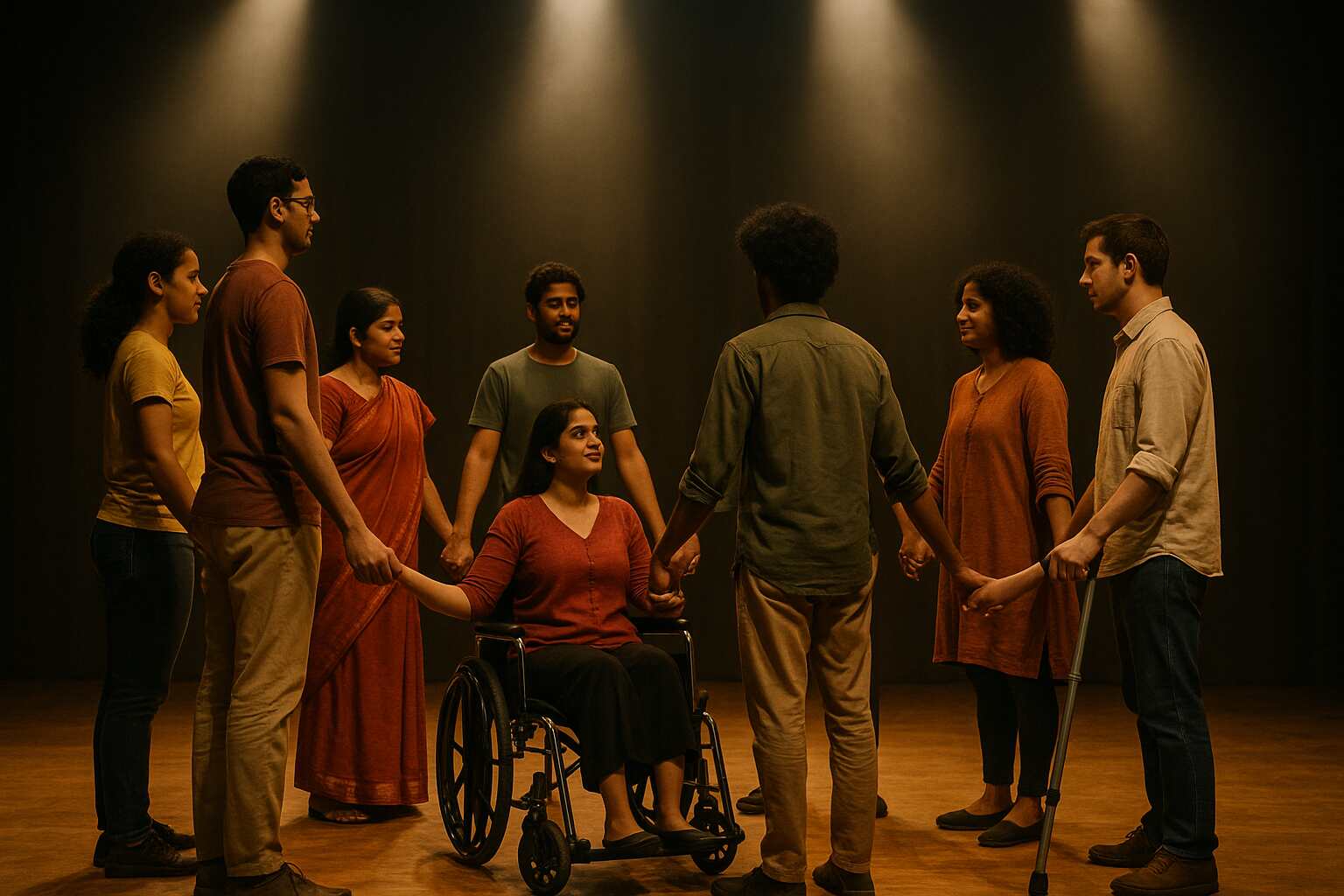
Theatre has long been a space to question, reflect, and narrate stories that society often overlooks. In Bengaluru, a new production titled Reunion is preparing to take the stage, aiming to spark conversations about disabilities, friendship, and the many identities that shape human lives. The play arrives at a time when inclusivity in art and representation is being demanded more strongly than ever, making its message both timely and necessary.
The idea behind Reunion
Reunion is not just another stage performance—it is a collaboration built on shared lived experiences. Written and performed by a diverse group of artists, the play reflects on how people with disabilities navigate friendships, aspirations, and stereotypes in everyday life. The script blends fiction with real stories, allowing the audience to feel both the intimacy of personal struggles and the weight of collective challenges.
Representation through performance
In Indian theatre, the representation of disability has often been one-dimensional. Reunion attempts to break away from this mold. Instead of focusing on limitations, it presents individuals as complete human beings with humor, warmth, and agency. The play’s characters confront biases, embrace their identities, and celebrate the bonds that keep them connected. This shift in narrative is crucial in changing how disability is perceived in mainstream spaces.
Friendship at the heart of the story
At its core, Reunion is about friendship. The play highlights how relationships can act as lifelines for people living with disabilities. Through laughter, disagreements, and memories, the performance portrays the resilience of bonds formed beyond social labels. The message is clear: friendships can be both ordinary and extraordinary when viewed through the lens of inclusivity.
Staging in Bengaluru
Bengaluru, with its vibrant theatre culture, has often welcomed plays that challenge conventional thinking. Reunion adds to this legacy. The city’s cosmopolitan audience makes it an ideal stage for conversations around diversity and acceptance. Theatre enthusiasts, activists, and students are expected to attend, broadening the dialogue on inclusivity.
The wider cultural impact
While the play is rooted in personal storytelling, its themes are universal. By staging Reunion, the group hopes to spark questions about how society perceives disability and how it defines identity. The production encourages audiences to reflect on how biases are formed and how they can be dismantled. Its relevance extends beyond Bengaluru, echoing larger discussions in India about accessibility, inclusion, and social justice.
Bigger picture: Art as advocacy
Theatre is often described as a mirror to society, and Reunion uses this mirror to reflect overlooked realities. Beyond entertainment, the play becomes a form of advocacy—raising awareness, reducing stigma, and pushing for policy-level conversations on inclusivity. It shows how cultural spaces can bridge the gap between personal experiences and collective action.
Conclusion
Reunion is more than a performance—it is a reminder that art has the power to bring marginalized voices to the center. By telling stories of disabilities, friendship, and identities with honesty and depth, the play invites audiences to see beyond stereotypes and to embrace the richness of human diversity. Bengaluru’s theatre stage becomes the canvas, but its message extends to every corner where inclusivity is still a work in progress.
Internal Links (Backlinks)
Related Posts



Stay Informed With the Latest & Most Important News
Previous Post
Next Post

Advertisement









Advertisement
