

Now Reading: Sensex Crashes 700 Points, Nifty Below 24,500: Trump’s Tariff Bomb Rocks India
-
01
Sensex Crashes 700 Points, Nifty Below 24,500: Trump’s Tariff Bomb Rocks India

Sensex Crashes 700 Points, Nifty Below 24,500: Trump’s Tariff Bomb Rocks India

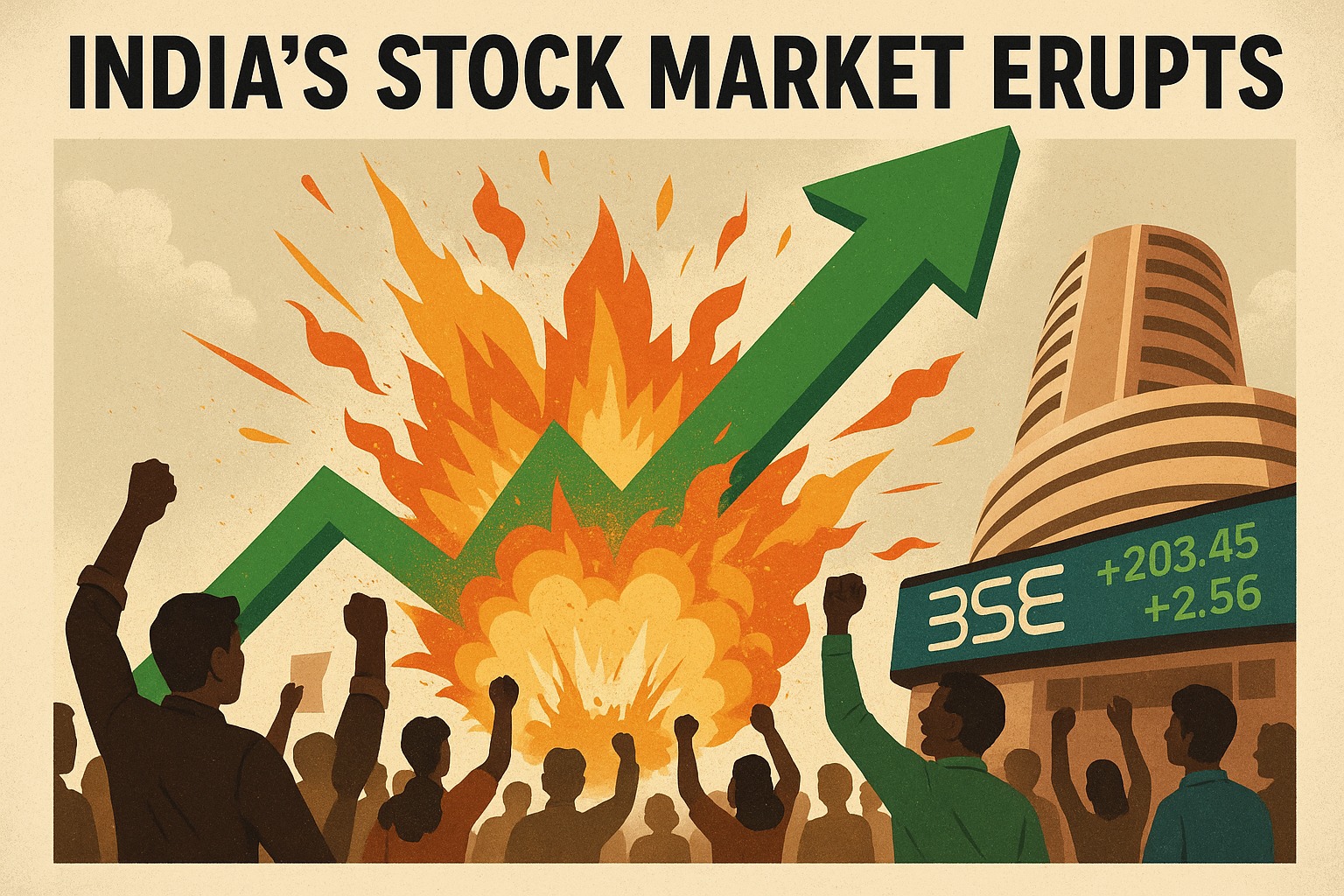
Indian markets reeled under heavy pressure after former U.S. President Donald Trump announced punitive tariffs of up to 50% on Indian exports. The announcement, tied to India’s continued purchase of discounted Russian crude and its growing trade surplus with the U.S., sparked immediate tremors across Dalal Street.
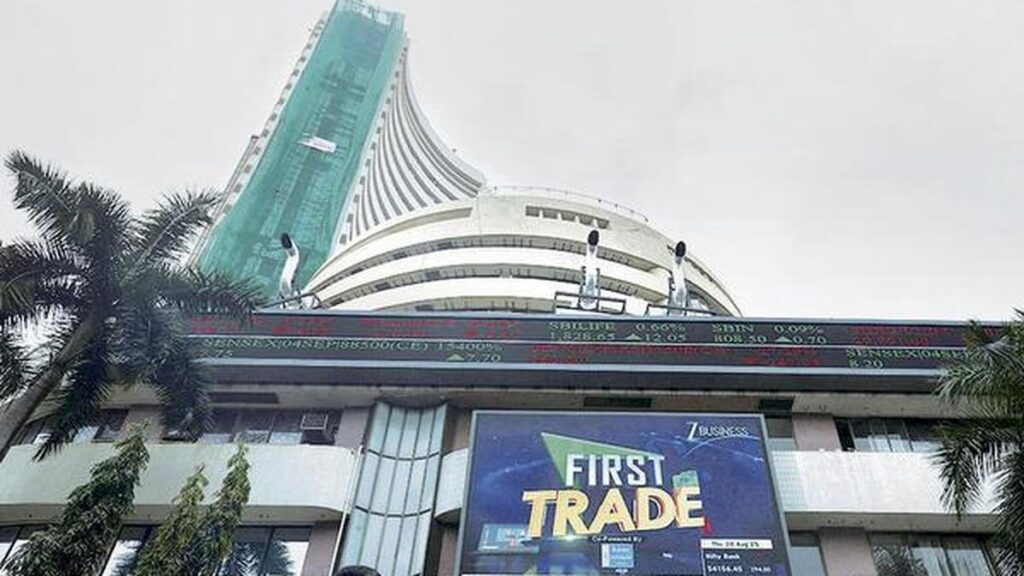
The Nifty 50 slipped below 24,500, while the Sensex tumbled by over 700 points to hover around 80,000 levels, marking one of the sharpest single-day falls in recent months. Investor sentiment soured overnight, and panic selling set the tone for a volatile trading session.
Export-Heavy Sectors Take the Hit
The brunt of Trump’s tariffs fell on sectors that are directly dependent on the American market:
- Textiles and apparel: Already battling global competition, these industries now face pricing disadvantages that could wipe out margins.
- Gems and jewellery: India’s crown jewel export category risks losing its competitive edge in the U.S., its biggest market.
- Seafood and agricultural products: Margins are expected to narrow drastically with tariffs doubling or tripling retail prices abroad.
- Auto components and furniture: Value chains connecting small Indian factories to American showrooms have been thrown into uncertainty.
Collectively, these categories form the backbone of India’s exports to the U.S. Analysts warn that the tariffs could result in a 60–70% drop in trade volumes for these goods over the next few quarters, threatening jobs and small businesses alike.
The FPI Exodus
Markets don’t just react to tariffs—they also anticipate their ripple effects. The most visible outcome was the massive outflow of Foreign Portfolio Investments (FPIs). August saw nearly $3 billion exit Indian equities, the largest monthly withdrawal of the year.
Big institutional players, wary of prolonged geopolitical friction and earnings downgrades, chose to pull money from equities and move to safer global assets. This wave of exits hit the financial and IT sectors especially hard, since these are heavily weighted in both Sensex and Nifty.
Technical Breakdown: Bears in Control
The Nifty breaking below its 100-day exponential moving average (EMA) confirmed what traders already feared—that the market’s short-term momentum has turned decisively bearish. The index is now in danger of further correction if support levels near 24,200 fail to hold.
The sell-off wasn’t limited to large caps. Mid-cap and small-cap indices also declined by nearly 1%, signalling broad-based weakness. With sentiment rattled, even fundamentally strong stocks faced indiscriminate selling.
Global Cues Compound the Pressure
Trump’s tariffs landed at a time when global markets were already grappling with weak cues. Persistent inflation worries, an unsettled oil market, and the Federal Reserve’s cautious stance had created an uneasy backdrop.
For India, the diplomatic undertone worsened the situation. Washington’s message was not just economic but political: choose your partnerships carefully. While the government in New Delhi maintained it would safeguard national interest, traders feared that the tariff war could escalate further into other categories like pharmaceuticals, electronics, or IT services—sectors where India still holds strong leverage.
Domestic Concerns Add to the Fire
The external tariff shock was compounded by domestic anxieties:
- Corporate earnings growth in Q2 has shown signs of plateauing, especially in banking and IT.
- Inflationary pressures remain sticky due to rising food prices.
- State elections and the uncertainty they bring have made domestic investors cautious.
When these worries met the sudden tariff escalation, the sell-off became inevitable.
Short-Term Pain, Long-Term Questions
The immediate picture is grim:
- Exporters face cancelled orders and renegotiated contracts.
- Logistics and allied sectors brace for reduced demand.
- Thousands of small suppliers in Gujarat, Tamil Nadu, and Maharashtra risk losing livelihoods if demand from U.S. buyers collapses.
But the longer-term question looms larger: Can India afford to pivot away from U.S.-driven exports, or will it bend under economic pressure? Some experts argue this may accelerate India’s diversification push towards Europe, Africa, and Southeast Asia. Others fear the country cannot absorb such a sudden shock without significant damage to GDP growth.
What Could Stabilize the Markets?
A few factors may provide near-term relief:
- Government response: A tariff relief package or export incentive scheme could soften the blow for affected sectors.
- RBI intervention: Maintaining rupee stability is critical to prevent currency depreciation from amplifying import costs.
- Diplomatic recalibration: Behind closed doors, efforts are already underway to convince Washington to reconsider or reduce the scope of tariffs.
- Investor resilience: Domestic retail investors have shown surprising strength in past corrections—if they step in, it may cushion the fall.
Conclusion: A Test of India’s Economic Nerve
Trump’s tariffs have created a storm, exposing India’s vulnerability to global trade politics. While the sell-off in Sensex and Nifty reflects immediate fear, the bigger story is about resilience: can India turn adversity into opportunity by accelerating self-reliance and diversifying trade partnerships?
What’s clear is this: the next few weeks will test not just the markets, but India’s diplomatic and economic strategy on the global stage.
Related Posts


Stay Informed With the Latest & Most Important News
Previous Post
Next Post

Advertisement








Advertisement
