

Now Reading: Shocking New Study: It’s Not Just the Pancreas – Your Brain Could Beat Type 1 Diabetes
-
01
Shocking New Study: It’s Not Just the Pancreas – Your Brain Could Beat Type 1 Diabetes

Shocking New Study: It’s Not Just the Pancreas – Your Brain Could Beat Type 1 Diabetes

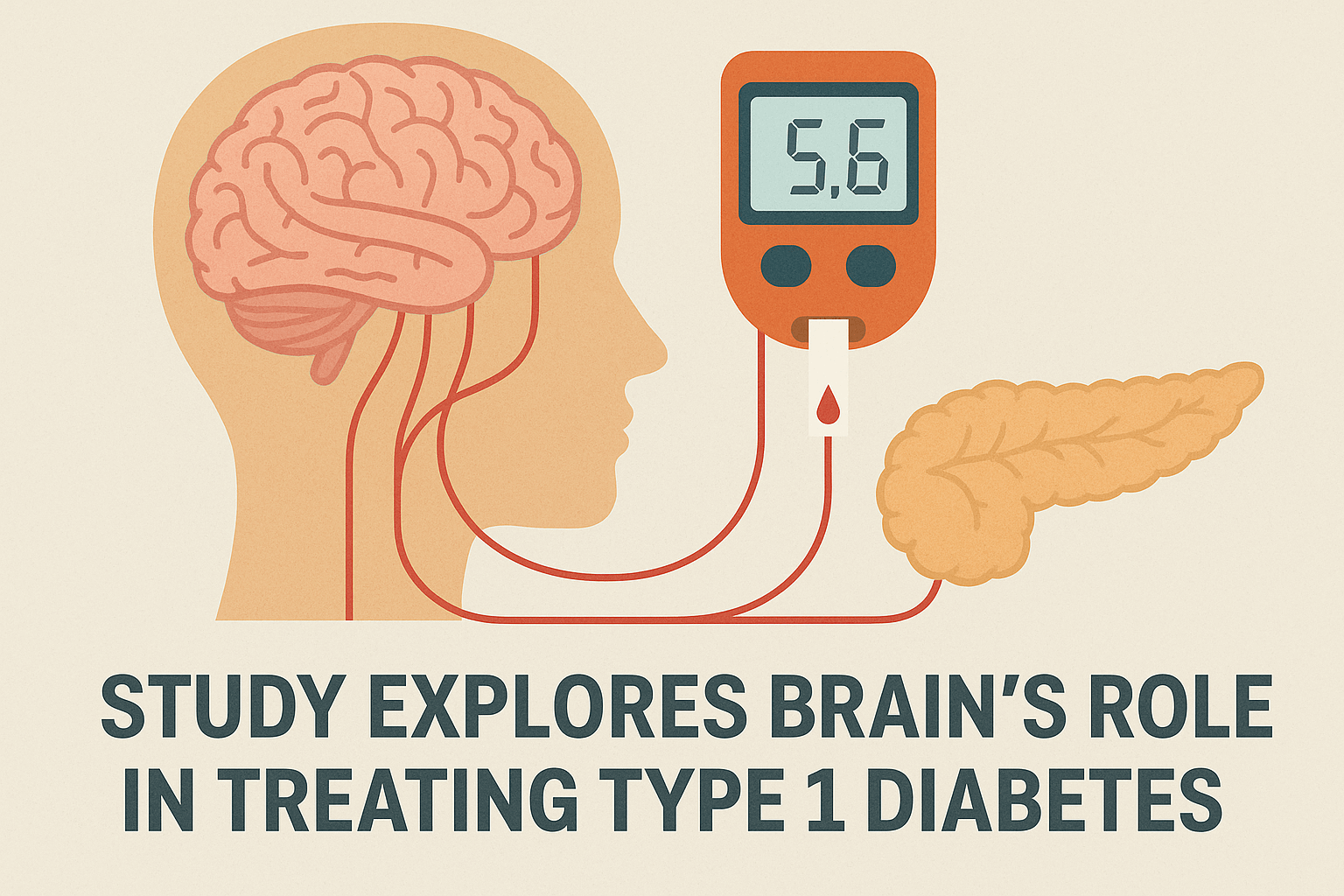
In a major medical breakthrough, scientists have found that the brain may play a bigger role in controlling type 1 diabetes than we previously thought. Until now, most research and treatment methods have focused only on the pancreas—the organ that produces insulin. But this new study is shining a spotlight on how the brain and nervous system may be involved in managing the disease.
What Did the Study Find?
Researchers studied how certain parts of the brain communicate with the immune system and insulin-producing cells. They found that the brain’s hypothalamus—a small but powerful part of the brain that controls hunger, hormones, and temperature—may also influence blood sugar levels and autoimmune responses.
The study suggests that the brain may help regulate how insulin is used in the body, even when the pancreas stops making insulin. This is especially important for people with type 1 diabetes, where the immune system attacks and destroys insulin-producing cells.
Why Is This Important for Type 1 Diabetes Patients?
Type 1 diabetes is an autoimmune disease. It means the body’s defense system mistakenly destroys insulin-producing beta cells in the pancreas. This results in dangerously high blood sugar levels and the need for lifelong insulin injections.
But if the brain is also helping to regulate sugar and immune responses, then new treatments could be developed that work on the brain’s signals—not just insulin injections.
Doctors and researchers believe that a combined approach targeting the brain and the immune system could help reduce the damage caused by diabetes. It may also lead to better ways to manage the disease in early stages or even prevent it altogether.
How Does the Brain Affect Blood Sugar?
The study highlights the role of a pathway called the “brain-pancreas axis.” It’s a two-way system of communication:
- The brain sends signals to the pancreas based on the body’s sugar levels, appetite, and stress.
- The pancreas responds by making or stopping insulin.
When this system is disrupted—like in type 1 diabetes—the body can’t balance sugar properly. Researchers believe supporting the brain’s functions might help balance sugar, even when the pancreas isn’t working correctly.
Could This Lead to a Cure?
While this study doesn’t promise a cure just yet, it opens the door to new research in the treatment of type 1 diabetes. Scientists now plan to explore:
- How early brain activity changes in diabetes patients
- Whether brain-targeted therapies (like nerve stimulation or special medications) could improve insulin control
- How stress and mental health impact blood sugar through brain activity
This means that in the future, mental health and brain care might become just as important in diabetes treatment as insulin.
The Future of Diabetes Treatment
Today, most type 1 diabetes patients depend on:
- Insulin injections
- Blood sugar monitoring
- Healthy diet and exercise
But in the coming years, with brain-based research, we could see less invasive treatments—possibly pills, nerve therapies, or even wearable brain devices to manage diabetes better.
Jan Jagran Darpan’s Take:
The Editorial Team believes this research could bring a shift in how we view chronic illnesses like type 1 diabetes. It’s not just about the pancreas anymore—it’s about how the brain controls our body as a whole.
For patients and families battling this lifelong condition, these findings bring new hope. While we await further studies and human trials, this breakthrough is a big step in understanding the full picture of diabetes and how to manage it in the future.
Related Posts



Stay Informed With the Latest & Most Important News
Previous Post
Next Post


Advertisement









Advertisement
