

Now Reading: Super Typhoon Ragasa kills 14 in Taiwan as barrier lake bursts
-
01
Super Typhoon Ragasa kills 14 in Taiwan as barrier lake bursts


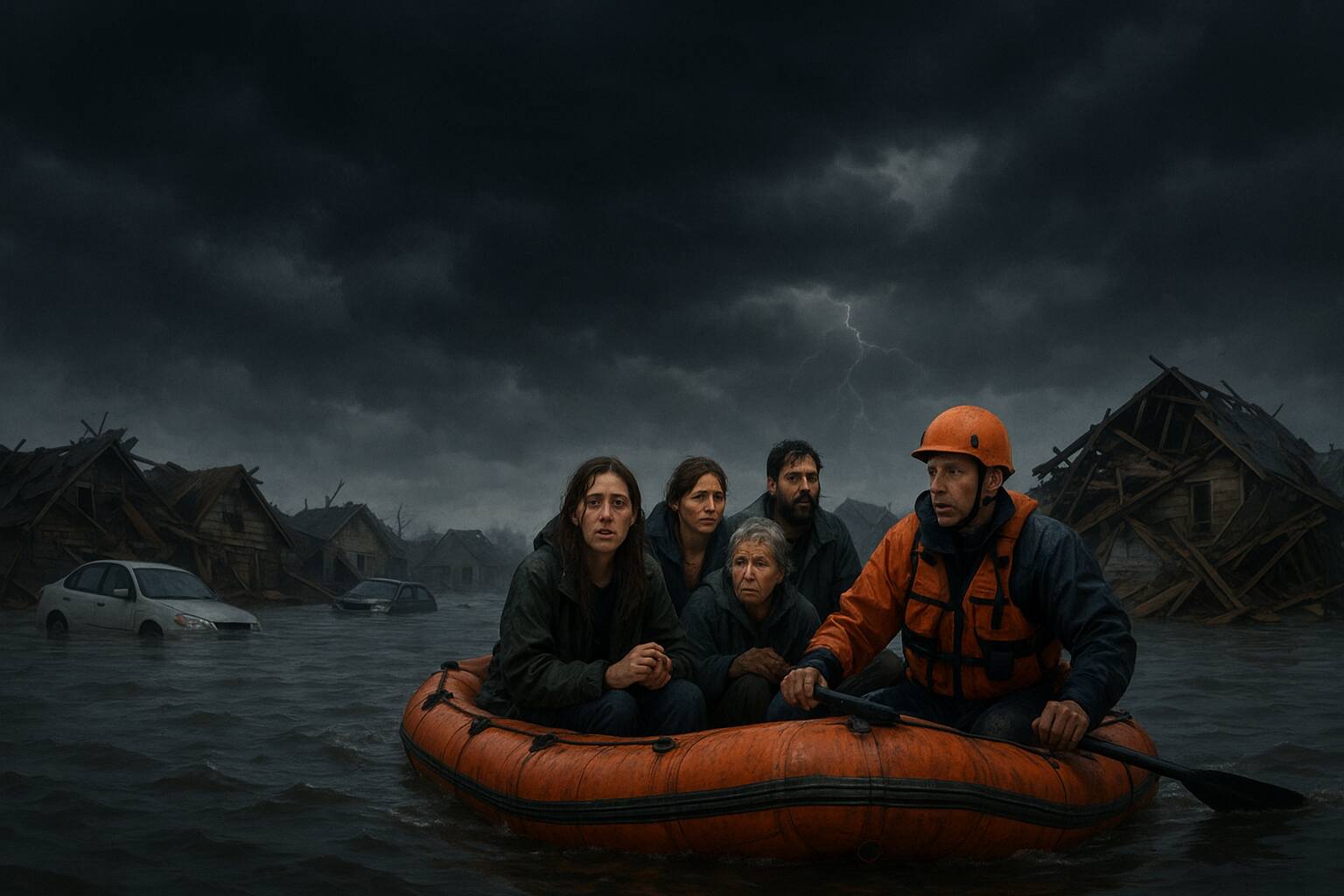
Super Typhoon Ragasa has unleashed unprecedented destruction across Taiwan, claiming at least 14 lives after a barrier lake collapsed under pressure from torrential rains. More than 260 people were reported trapped as floodwaters surged into surrounding areas. Streets turned into rivers, homes were submerged, and rescue operations continued amid fears of further landslides. The disaster has highlighted the growing vulnerability of island nations facing extreme climate events.
What triggered the disaster
The massive rainfall brought by Ragasa caused water levels in a natural barrier lake to swell dangerously. Eventually, the fragile natural dam gave way, releasing a torrent of water that swept through villages. Authorities said the burst was so powerful that entire roads disappeared within minutes, making rescue efforts difficult.
(Read Behind The Headlines’ report on recent Asia-Pacific typhoons and their rising intensity.)
Human cost of Ragasa
- Deaths reported: At least 14 people confirmed dead, with numbers expected to rise.
- Trapped civilians: Over 260 residents stranded in remote towns, awaiting helicopter rescues.
- Displacement: Thousands forced to leave homes, seeking shelter in relief camps.
- Psychological impact: Families mourning lost loved ones, survivors coping with trauma.
Government response
Taiwanese authorities have mobilized military helicopters and boats to reach isolated areas. Emergency shelters have been set up in schools and community halls. Officials warned of further rainfall in coming days, urging people to avoid mountainous regions prone to landslides.
(Internal Backlink: Explore our detailed coverage of Taiwan’s disaster management policies here.)
International reactions
The tragedy has triggered global concern. Neighboring countries, including Japan and the Philippines, have offered aid. International relief agencies are preparing to send medical supplies, food, and emergency equipment. Climate activists have also used this disaster to call for stronger global action against extreme weather events.
Survivors’ voices
Eyewitnesses described hearing a thunderous roar as the barrier lake burst. “The water came like a wall, sweeping away cars and houses,” one survivor said. Another added, “We had only minutes to run. Everything is gone.”
Bigger picture: Typhoons and climate crisis
Super Typhoon Ragasa is another reminder of how climate change is intensifying storms in Asia. Rising sea temperatures are fueling stronger typhoons, while urban expansion and fragile infrastructure make recovery harder. Taiwan, sitting in a cyclone-prone region, has faced repeated natural disasters in recent years, raising questions about long-term resilience.
Conclusion
The devastation left behind by Ragasa is a stark warning of the era of mega-storms. While rescue operations continue, the focus must also shift to climate adaptation, better infrastructure, and regional cooperation. For Taiwan’s people, recovery will be long and painful, but their resilience will remain the key to rebuilding.
Related Posts
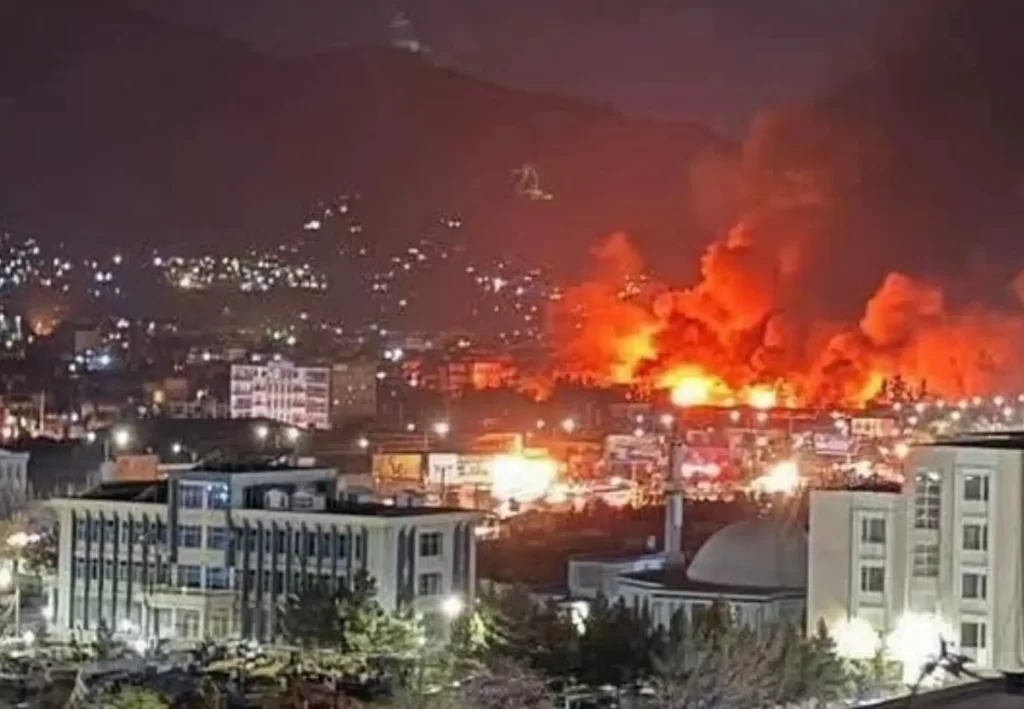


Stay Informed With the Latest & Most Important News
Previous Post
Next Post


Advertisement








Advertisement
