

Now Reading: Supreme Court set to rule on Waqf Amendment Act stay pleas
-
01
Supreme Court set to rule on Waqf Amendment Act stay pleas


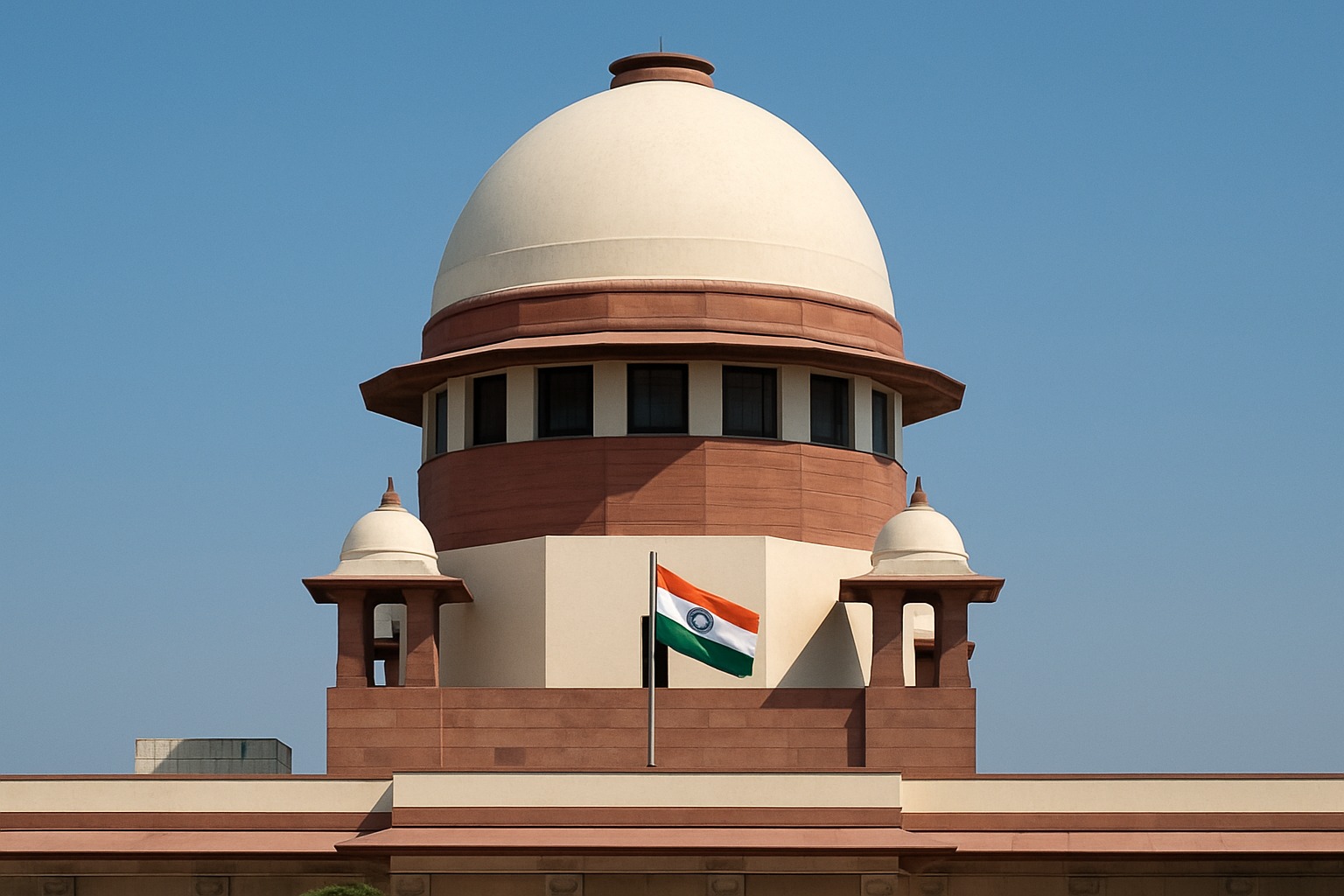
India’s judicial and political landscape is poised for another decisive moment. On Monday, the Supreme Court of India will deliver its order on petitions seeking a stay on the Waqf Amendment Act 2025. The law, introduced by the Union government earlier this year, has triggered widespread debate, raising questions about minority rights, the scope of religious trusts, and the balance between state regulation and community autonomy.
The court’s decision could set a precedent for how far legislative changes can go in altering the structure of centuries-old religious institutions. Behind The Headlines examines what this case means for governance, faith, and India’s constitutional ethos.
Background of the Waqf Amendment Act 2025
The Waqf Amendment Act 2025 was passed with the stated objective of improving transparency, accountability, and governance of waqf properties across India. According to government arguments, misuse of waqf lands and irregularities in property management had reached alarming levels, necessitating structural reforms.
Critics, however, allege that the law centralizes excessive power in the hands of authorities, dilutes community rights, and undermines the historical independence of waqf boards.
Earlier, in our piece on religious trust reforms, we discussed how similar debates have shaped legislation around temple and church administrations.
The Legal Battle in the Supreme Court
Multiple petitions were filed challenging the constitutional validity of the Waqf Amendment Act. Petitioners argue that:
- The amendments violate Articles 25 and 26 of the Constitution, which guarantee freedom of religion and the right to manage religious affairs.
- The Act imposes disproportionate state control, going against the federal spirit.
- It risks politicizing waqf management instead of ensuring accountability.
The Union government, defending the Act, contends that the amendments are necessary to curb corruption, ensure better use of waqf assets for welfare, and protect public interest.
In our analysis of Supreme Court and minority laws, we highlighted how courts often face the challenge of balancing religious autonomy with state regulation.
What Petitioners Seek
The immediate plea before the Supreme Court is for a stay on the implementation of the Act. Petitioners fear that irreversible changes to waqf properties may occur before the law’s constitutional validity is decided. They argue that urgent judicial intervention is necessary to prevent potential damage.
Possible Outcomes of the Court’s Order
The Supreme Court’s order on Monday could:
- Grant a stay on the implementation of the Act until the final hearing.
- Refuse a stay but agree to expedite the case.
- Allow parts of the law to operate while freezing contentious provisions.
Each outcome carries significant implications—not only for waqf institutions but also for how minority legislation is contested in India.
Our coverage on judicial stays in controversial laws detailed how interim relief often shapes the trajectory of larger constitutional battles.
Political and Social Reactions
The Act has become a political flashpoint. Opposition parties have criticized it as an attack on minority institutions, while the government insists it is a reform aimed at curbing misuse and enhancing transparency. Civil society groups, legal experts, and community leaders remain sharply divided.
For many, the debate is not just about governance but also about identity, representation, and trust in democratic institutions.
The Bigger Picture: Faith, Law, and Governance
This case underscores a recurring theme in India’s constitutional journey: how to reconcile state oversight with religious autonomy. The Waqf Amendment Act is being seen as a test of India’s secular principles—whether the state can reform religious trusts without infringing on fundamental rights.
In our editorial on secularism and Indian democracy, we explored why balancing state authority and religious freedoms remains a defining challenge.
What Lies Ahead
Monday’s order will not be the end of the debate but the beginning of a larger constitutional reckoning. The Supreme Court’s decision could influence future laws governing religious institutions and shape the contours of minority rights in India.
Regardless of the outcome, the case reflects India’s ongoing struggle to align faith-based institutions with modern governance while safeguarding democratic values.
Conclusion
The Supreme Court’s forthcoming order on pleas to stay the Waqf Amendment Act 2025 has become a litmus test for constitutional values. Will the judiciary step in to pause the law, or will it allow the government’s reforms to move forward? Behind The Headlines will continue tracking this critical case that sits at the crossroads of law, faith, and politics.
Related Posts



Stay Informed With the Latest & Most Important News
Previous Post
Next Post


Advertisement









Advertisement
