

Now Reading: Supreme Court’s Diwali Verdict: Crackers Back In Delhi-NCR With Conditions
-
01
Supreme Court’s Diwali Verdict: Crackers Back In Delhi-NCR With Conditions

Supreme Court’s Diwali Verdict: Crackers Back In Delhi-NCR With Conditions

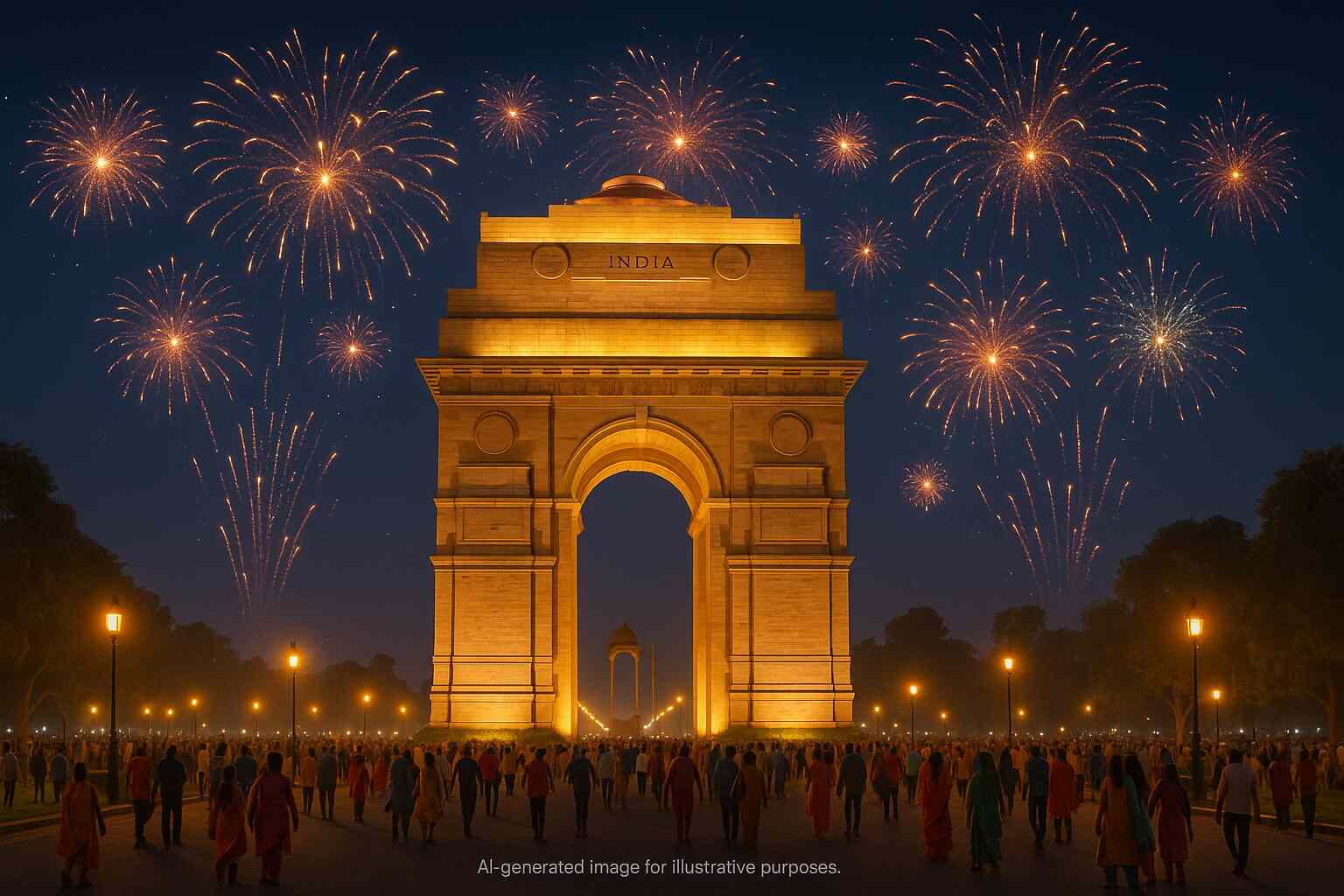
This Diwali, Delhi-NCR might see fireworks light up the sky once again — legally. The Supreme Court of India has declared that people can use certain types of firecrackers during the festival, but only under strict rules to protect the environment.
The move comes after years of complete or partial bans due to rising air pollution. With the court’s latest ruling, the festival spirit returns, but with a clear message: celebrate responsibly.
What The Supreme Court Said
In its ruling, the Supreme Court said that green crackers — those that cause less air and noise pollution — may be used across Delhi, Gurugram, Noida, and nearby regions. The bench made it clear that this is not a full approval for all types of fireworks.
Crackers that release harmful chemicals like barium salts or create high noise levels will remain banned. Local authorities have been directed to monitor production and sale, ensuring that only eco-friendly firecrackers reach the market.
The court emphasized that this decision is not meant to encourage pollution but to strike a balance between tradition and health concerns.
Why The Decision Matters
For years, Diwali in Delhi-NCR has been a mix of joy and worry. The festival marks happiness and light, but also leads to toxic smog that lingers for days.
Last year, Delhi’s air quality index (AQI) touched “severe” levels within 24 hours of Diwali celebrations. Schools were shut, and hospitals reported a rise in breathing problems. Environmentalists had urged for stricter control over cracker sales.
The Supreme Court’s 2025 decision aims to ensure that citizens can celebrate, but not at the cost of public health.
To understand past bans, read Why Delhi’s Air Turns Toxic Every Diwali.
The Conditions For Cracker Use
The new ruling doesn’t mean a free-for-all celebration. Here’s what the court has clearly mentioned:
- Only certified green crackers approved by government labs can be used.
- No sale of banned fireworks through online or unauthorized shops.
- Limited hours for bursting — likely between 8 PM and 10 PM on Diwali night.
- Local police will keep a close watch on violators, and heavy fines may apply for breaking rules.
- Noise control is essential — high-decibel crackers can lead to penalties.
This balance, the court hopes, will let families enjoy the festival without causing another pollution emergency.
Public Reaction
The decision has drawn mixed reactions. While many residents welcomed the ruling as a return to cultural freedom, environmental activists fear it may reverse years of progress.
Parents say children have been missing the sparkle of traditional Diwali, while health experts have warned that even “green” crackers emit harmful particles when used in large numbers.
On social media, citizens across Delhi and Gurugram debated whether the court’s ruling was “a festival win” or “a pollution setback.”
For deeper analysis, explore How Delhi’s Festivals Balance Joy And Air Quality.
The Bigger Picture
This verdict comes at a time when India is struggling to balance religious freedom and environmental responsibility. The court reminded both citizens and the government that it is everyone’s duty to protect the environment while celebrating cultural traditions.
Experts say the real challenge lies in implementation. Even in past years, bans were often ignored. This time, local authorities have promised stricter monitoring and penalties for illegal cracker use.
The Delhi government is also considering public awareness campaigns to remind citizens of safe and environment-friendly Diwali practices.
Conclusion
This Diwali, the Supreme Court has tried to light up both — hearts and the skies — but with rules attached.
The message is simple: enjoy the festival, but don’t pollute the air you breathe. Whether this new balance succeeds will depend on how responsibly people celebrate it.
As Delhi prepares for another glowing Diwali, one thing is clear — this festival of lights must not turn into another cloud of smoke.
Related Posts



Stay Informed With the Latest & Most Important News
Previous Post
Next Post

Advertisement





Advertisement
