

Now Reading: TCS CEO Earns ₹26.5 Crore as Company Announces Layoffs of Over 12,000 Employees
-
01
TCS CEO Earns ₹26.5 Crore as Company Announces Layoffs of Over 12,000 Employees

TCS CEO Earns ₹26.5 Crore as Company Announces Layoffs of Over 12,000 Employees

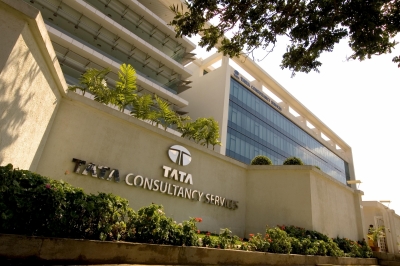
Tata Consultancy Services (TCS), India’s largest IT company, is under public scrutiny after revealing both the high compensation of its top executives and its decision to lay off over 12,000 employees this year.
According to TCS’s FY25 annual report, CEO K. Krithivasan received a total salary of ₹26.5 crore, which is a 4.6% increase from the previous year. His compensation included:
- ₹1.39 crore as base salary
- ₹2.12 crore in benefits, perks, and allowances
- ₹23 crore in commission
This makes his pay about 330 times higher than the average salary of a TCS employee, which has raised concerns and anger among employees and social media users.
One such response came from economist Praveen Chakravarty, who posted on X (formerly Twitter):
“TCS CEO pay: ₹35 crore; Top 5 leadership: ₹40 crore; Avg employee: ₹15 lakh. If top 100 took small pay cuts, it could save 12,000 jobs… Lives will be miserable at 0 pay vs ₹15 lakh.”
Other Executives Also Received High Salaries
Apart from the CEO, other top officials also received substantial payments:
- NG Subramaniam, former COO and Executive Director, was paid ₹11.55 crore until he stepped down in May 2024. This included:
- ₹30 lakh base salary
- ₹7.24 crore in benefits
- ₹4 crore in commission
- Non-executive directors, Hanne Sorensen and Pradeep Kumar Khosla, earned ₹2.74 crore each.
- Keki Mistry, an independent director, received ₹3.06 crore (₹3 crore in commission and ₹5.7 lakh as sitting fees).
- Chairman N. Chandrasekaran only took a ₹2.1 lakh sitting fee, with no commission.
Layoffs Announced for Over 12,000 Employees
In the same report, TCS announced a layoff of 12,261 employees, which is about 2% of its global workforce. Most of those affected are mid- and senior-level employees.
TCS clarified that these job cuts were not due to cost-cutting or AI automation alone, but rather a strategic shift. The company said the challenge lies in redeploying employees whose skills no longer match the new technologies being used.
The company is now focusing on advanced technologies like artificial intelligence (AI) and digital transformation, which are quickly reshaping business needs across the IT sector.
Public Debate on Fairness and Morality
The news of massive executive salaries during a period of mass layoffs has sparked a broader debate about corporate ethics, income inequality, and employee welfare in India’s tech industry.
Critics argue that while top leadership continues to earn multi-crore salaries, thousands of families are left jobless, with no safety net. The situation has highlighted the growing pressure on IT companies to balance profit and people, especially in a rapidly evolving digital economy.
Related Posts



Stay Informed With the Latest & Most Important News
Previous Post
Next Post


Advertisement









Advertisement
