

Now Reading: Trump Signs Order to Impose 25% Tariff on Indian Goods
-
01
Trump Signs Order to Impose 25% Tariff on Indian Goods


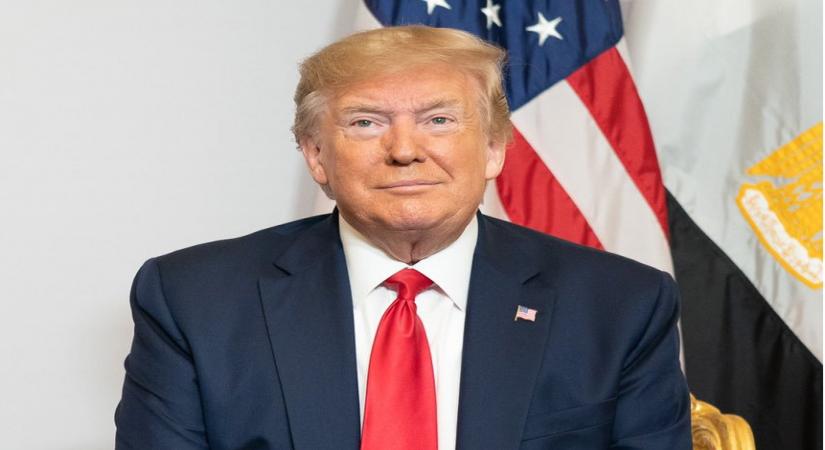
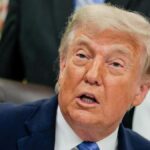
U.S. President Donald Trump has officially signed an order to place a 25% import tax on products coming from India. This decision takes effect on Friday and comes after long discussions between both countries failed to reach an agreement.
The executive order, issued on Thursday night, did not include any extra penalties for India’s energy purchases from Russia or its membership in BRICS — two things Trump had earlier criticized.
When Trump first mentioned the 25% tariff, India responded by saying it would do everything necessary to protect its national interests.
In his announcement, Trump said the U.S. has been facing a huge trade imbalance, with more goods being imported than exported. He said this was a serious risk to the country’s economy and safety. Compared to other countries listed in the order — which were given tax rates between 15% and 19% — India’s 25% rate is much higher. The new rules begin at midnight (9:30 a.m. in India).
India started discussions with the U.S. early on, but it seems those talks didn’t go far. On Wednesday, Trump again warned about the new tariff but also said he was still in contact with Indian officials and hoped something positive might happen. However, no formal letter was sent to India, unlike other nations.
Despite recent positive words from both Trump and Indian officials, the last-minute talks failed to stop the tariff hike.
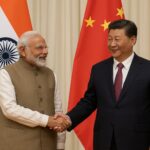
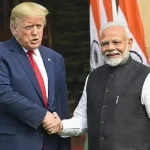
Trump has often referred to Prime Minister Narendra Modi as a friend. Just last week, he said a deal was close. India’s Commerce Minister, Piyush Goyal, had also expressed confidence, saying discussions were going very well.
But Trump’s order said some countries, including India, haven’t offered fair trade terms or taken the U.S.’s security concerns seriously.
Other countries affected by the order include:
- Myanmar – Highest tariff at 41%
- Brazil and the UK – Lowest at 10%
- Pakistan – 19%
- Sri Lanka and Bangladesh – 20%
Interestingly, Brazil received only a 10% rate even though Trump had earlier threatened a 50% tax due to political issues in the country.
Trump allowed Mexico more time to negotiate and gave them a temporary exemption. Canada, although not mentioned in the latest order, had already received a 30% tariff earlier.
For China, the tariff is temporarily set at 30% until August 12, despite Trump previously threatening to increase it to 145%.
One of the key issues between India and the U.S. is agriculture. The U.S. wants India to open its market more to American farm and dairy products. However, this could hurt India’s farmers, who form a big part of the country’s workforce. In its reply, India said it prioritizes the well-being of its farmers, small businesses, and entrepreneurs.
Some regions like the European Union and Japan promised to invest large sums in the U.S., which softened Trump’s stance. But India couldn’t offer the same amount of investment.
India also seems to be caught in the growing tensions between the U.S. and Russia, especially after Russian President Vladimir Putin refused to agree to a ceasefire in the Ukraine war.
Trump also mentioned India’s purchase of Russian oil, and on Thursday, he criticized India while arguing with former Russian President Dmitry Medvedev.
In a post on his social media site Truth Social, Trump said: “I don’t care what India does with Russia. Let them ruin their economies together.”
Trump has often complained about India’s high import taxes, once calling India the “Tariff King”—a label Finance Minister Nirmala Sitharaman has strongly denied. In her budget earlier this year, she reduced import duties on luxury bikes like Harley-Davidson, which Trump had often complained about.
There’s also the issue of India’s pharmaceutical exports. India supplies a large share of generic medicines used in the U.S., valued at over $12 billion last year. Any increase in tariffs here could raise medical costs in America, so Trump may take separate action on this later.
When asked on Wednesday about possible penalties for India buying oil from Russia, Trump didn’t give a clear answer. He instead hinted that being part of BRICS might come with its own punishments.
If Trump does introduce penalties for buying Russian oil — called secondary sanctions — they may be connected to whether Russia agrees to end the Ukraine war, with a possible deadline of August 7.
But such penalties could also affect China, since it too buys Russian energy, making the situation even more complex as the U.S. tries to avoid a larger trade conflict.
Related Posts
Stay Informed With the Latest & Most Important News
Previous Post
Next Post

Advertisement




Advertisement
