Now Reading: Trump Warns the World: “Don’t Touch America’s Tech Giants!
-
01
Trump Warns the World: “Don’t Touch America’s Tech Giants!


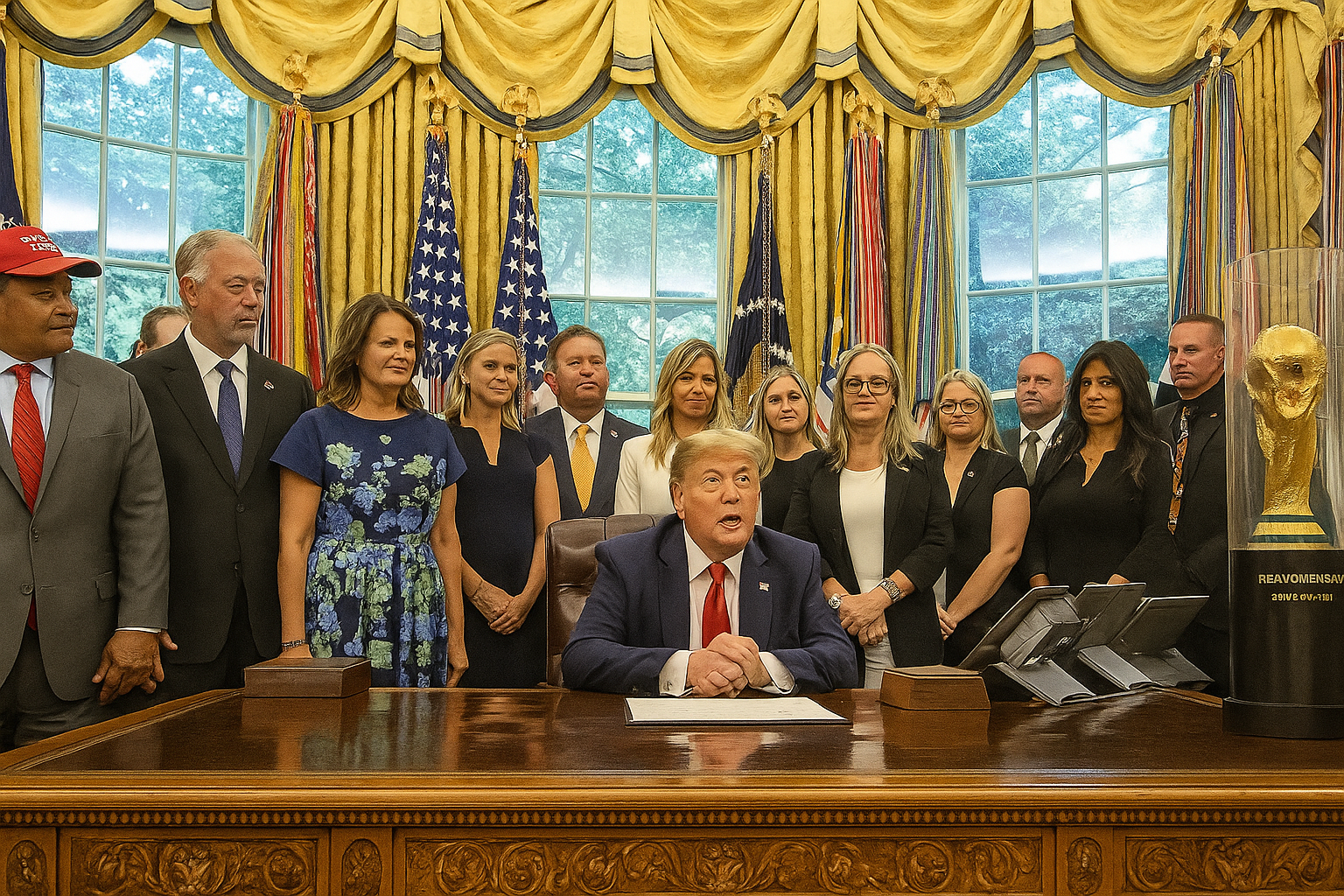
Former U.S. President Donald Trump, using his Truth Social platform, declared that as the leader of the United States, he would not hesitate to stand up to countries targeting America’s technology giants. Calling them “incredible American tech companies,” Trump’s post positioned himself as a defender of Silicon Valley and the broader U.S. innovation ecosystem, framing these corporations as symbols of American strength and global dominance.
The message comes at a time of heightened tensions between the U.S. and several nations over antitrust cases, data security disputes, and restrictive regulations that American tech firms are facing abroad.
Context: Global Pressure on American Tech
Over the past few years, companies like Apple, Google, Meta, Amazon, and Microsoft have been at the center of regulatory crackdowns worldwide. From Europe’s strict data privacy laws to India’s growing demands for data localization and China’s protectionist policies, U.S. tech companies have faced mounting challenges.
Trump’s statement underscores his belief that these confrontations are not just about business but about American national pride and power. By publicly aligning himself with tech giants, he is signaling that any attack on them would be treated as an attack on the U.S. economy itself.
The Political Undertone
Trump’s post is also a clear political signal. As he prepares for future electoral battles, defending “American jobs” and “American innovation” remains a key theme of his messaging. Tech companies, despite controversies over censorship and market dominance, are seen as engines of economic growth and global leadership.
By promising to shield them from international hostility, Trump is:
- Appealing to business leaders and corporate donors who view regulatory battles overseas as threats to profits.
- Reassuring his voter base that he will protect American industries from foreign interference.
- Positioning himself as a strong negotiator who will not allow any nation to undermine U.S. companies.
Reactions from Industry and Analysts
Industry observers note that while Trump’s comments may resonate with American corporations, they risk further politicizing global tech disputes. International regulators argue that their actions are meant to ensure fair competition, prevent monopolies, and safeguard consumer rights, not target U.S. companies unfairly.
However, Trump’s framing casts these disputes in terms of national rivalry rather than market regulation, potentially complicating diplomatic relations.
Some American executives, while publicly cautious, are likely to welcome the idea of having the U.S. government take a harder line on their behalf, especially in markets where they face barriers that local companies do not.
The Bigger Picture: Tech as a Strategic Asset
The statement highlights a growing reality: technology is now as much a geopolitical weapon as it is an economic sector. With artificial intelligence, semiconductors, and data-driven industries dominating the global economy, Trump’s vow reflects Washington’s increasing tendency to treat tech companies as part of America’s strategic arsenal.
This approach mirrors his earlier policies during his presidency, such as:
- Moves to ban or restrict Chinese tech firms like Huawei and TikTok.
- Tariff wars linked to protecting U.S. intellectual property.
- Incentives for domestic tech and chip manufacturing to reduce reliance on rivals.
By putting tech giants at the center of his campaign, Trump is reinforcing the message that America’s global power is inseparable from its technological dominance.
Conclusion: Tech, Power, and Politics
Donald Trump’s Truth Social declaration was not just about business. It was about politics, power, and America’s place in the world. By pledging to defend U.S. tech giants against foreign pressures, he is making it clear that under his leadership, American innovation will be treated as untouchable.
Whether this approach leads to stronger protections for U.S. corporations or escalates tensions with global regulators remains to be seen. But one thing is certain — Trump has once again turned a business issue into a political battleground, setting the stage for fierce debates about the intersection of tech and geopolitics.
Related Posts



Stay Informed With the Latest & Most Important News
Previous Post
Next Post


Advertisement