

Now Reading: White House Admits – Trump’s Tariffs Target Russia Through Delhi
-
01
White House Admits – Trump’s Tariffs Target Russia Through Delhi


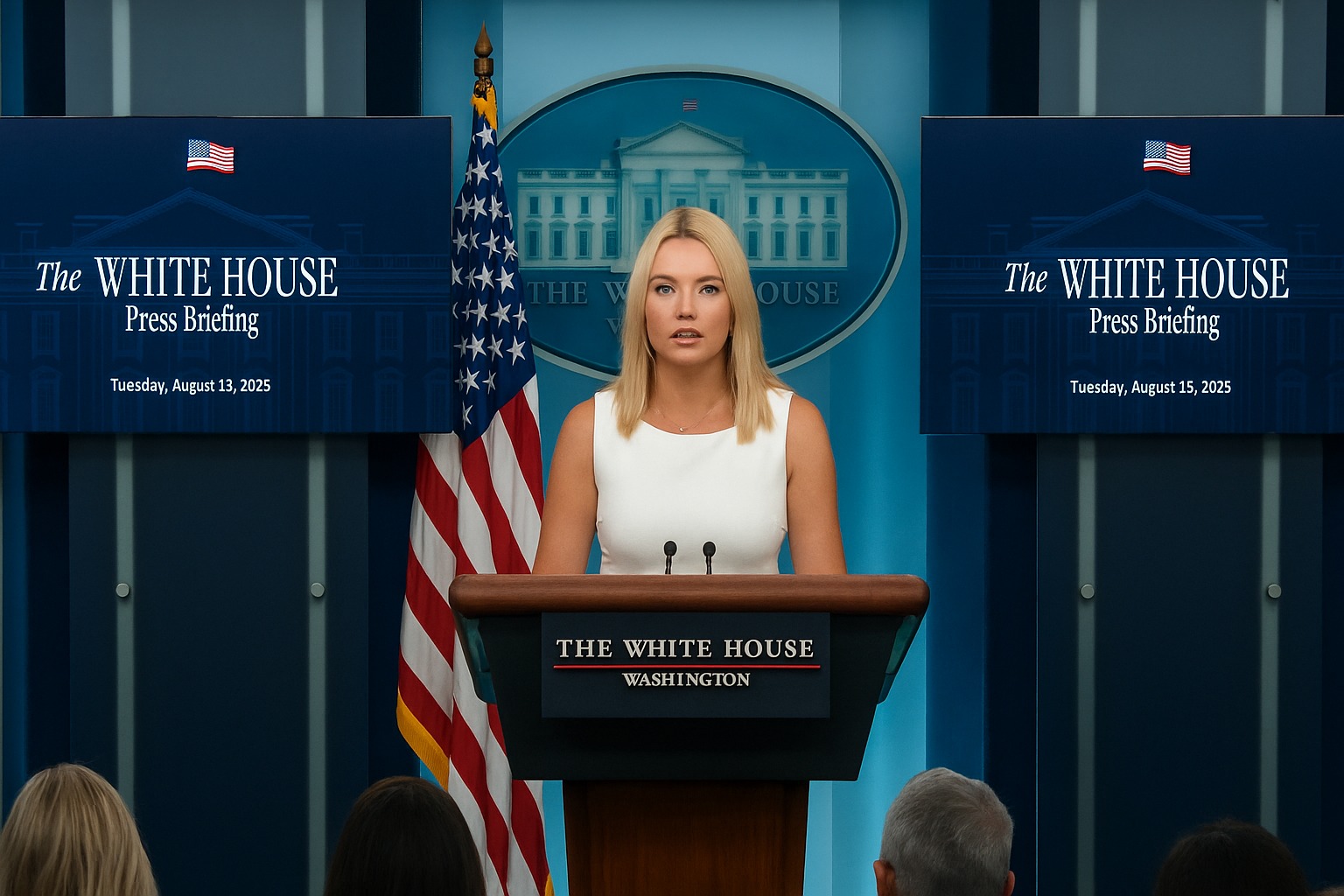
The White House has confirmed that the tariffs imposed by former US President Donald Trump on Indian goods were not solely about trade disputes but part of a larger geopolitical strategy aimed at pressuring Russia. This disclosure has put India in the spotlight, not just as a major economy but as a crucial player in the US-Russia power game.
Our editorial team has verified all available details, ensuring a complete understanding of how New Delhi became entangled in Washington’s attempt to isolate Moscow.
The Tariffs and the Official Explanation
During his presidency, Trump’s administration introduced tariffs on several Indian exports, citing trade imbalances and unfair practices. However, the White House has now clarified that the real motivation behind these moves was to use economic measures on India as leverage against Russia.
The calculation was straightforward: India remains one of Russia’s biggest defense and energy partners. By targeting India, Washington hoped to limit Moscow’s financial and diplomatic breathing space while sending a strong signal about the costs of continuing deep ties with Russia.
India’s Position Between Washington and Moscow
India has historically balanced relations between the United States and Russia. While New Delhi has deepened strategic partnerships with Washington in recent decades — especially through defense deals, technology collaborations, and Quad initiatives — its reliance on Russian oil, gas, and military hardware remains significant.
For Trump, this dependency was both a vulnerability and an opportunity. By imposing tariffs on Indian goods such as textiles, steel, and IT services, the US aimed to push India into reconsidering its proximity to Moscow. The message was clear: if India wanted smoother trade with the United States, it would need to rethink its ties with Russia.
White House Admission and Strategic Calculations
The White House statement confirms what many analysts had suspected but was rarely spoken aloud — that Trump’s trade wars were not just about protecting American industries but a geopolitical weapon.
For Trump, tariffs became a tool of statecraft. By mixing economic pressure with diplomacy, he believed he could bend allies and partners to align more closely with US foreign policy objectives. India’s case reflects this strategy vividly, making it an example of how global powers often pull smaller but influential economies into their bigger battles.
Impact on India’s Economy
The tariffs had a tangible impact on Indian exporters, especially small and medium enterprises dealing with the American market. Several sectors reported losses, while New Delhi was forced to consider countermeasures. Though the Indian government officially downplayed the political undertone at the time, today’s revelation shows that India’s economy was essentially a proxy battlefield in a US-Russia confrontation.
Indian policymakers now face a crucial question: how to maintain strategic autonomy while ensuring economic stability in the face of such geopolitical maneuvering.
Global Reactions
Experts across the world are weighing in on this disclosure. Some argue that Trump’s strategy was clever, using trade tools to achieve geopolitical ends without direct military involvement. Others warn that it eroded trust in the US as a reliable trade partner, particularly for nations like India that seek predictable economic relationships.
Russia, meanwhile, has not officially responded to this revelation, but analysts suggest Moscow will likely see this as further proof of Washington’s attempts to weaken its global standing by pulling its closest partners under pressure.
Conclusion
The White House confirmation that Trump’s tariffs on India were designed to target Russia has rewritten the narrative of those trade wars. Far from being mere disputes over market access, these moves were part of a grand strategy that placed India at the center of a much larger geopolitical contest.
For India, this revelation is a reminder of the difficult balancing act it must perform between global powers. As the nation looks ahead, the challenge will be to protect its economic interests without being reduced to a pawn in the strategic games of others.
Related Posts


Stay Informed With the Latest & Most Important News
Previous Post
Next Post


Advertisement








Advertisement