

Now Reading: New Study Explains Why Some Children Get Asthma Attacks Even After Treatment
-
01
New Study Explains Why Some Children Get Asthma Attacks Even After Treatment

New Study Explains Why Some Children Get Asthma Attacks Even After Treatment

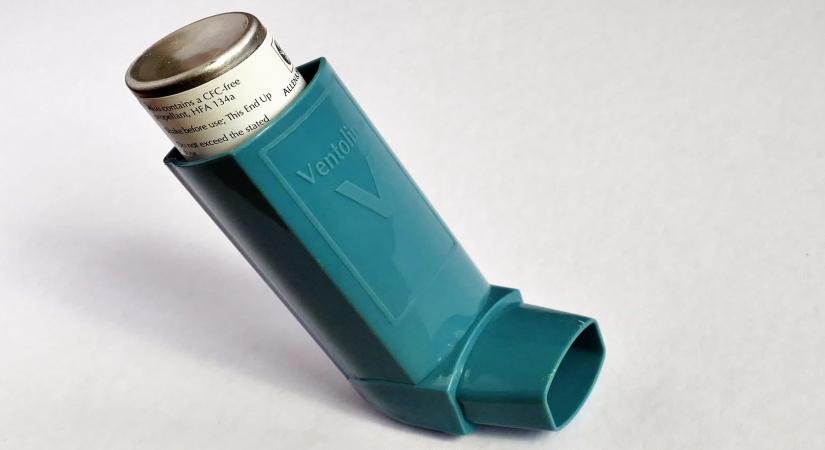
A new medical study has found why some children still suffer from asthma attacks even after taking proper treatment. The research explains that there are more causes of asthma flare-ups than previously known.
What Is Eosinophilic Asthma?
Eosinophilic asthma is a type of asthma where a kind of white blood cell called eosinophils becomes very active. These cells, which usually protect the body from infection, start to build up in the lungs and airways. This leads to swelling, damage, and long-term breathing problems.
This kind of asthma is caused by Type 2 (T2) inflammation, a process in the body’s immune system where special chemicals (called cytokines) increase eosinophils and make symptoms worse.
Because of this, doctors often use treatments that block T2 inflammation. These are supposed to lower the number of eosinophils and help prevent asthma attacks.
But Why Do Some Children Still Get Sick?
According to Dr. Rajesh Kumar, Interim Division Head of Allergy and Immunology at Ann & Robert H. Lurie Children’s Hospital in Chicago, some children continue to have asthma attacks even when they’re on these special treatments.
This shows that other inflammatory pathways (different ways in which the body gets inflamed) may also be causing problems.
What Did the Study Find?
The study, published in JAMA Pediatrics, used RNA sequencing (a method to study cells) on nasal samples from children during 176 episodes of breathing problems.
Researchers found three new types of inflammation responsible for asthma flare-ups:
- Epithelial inflammation – This kind of inflammation was seen in children who were receiving a medicine called mepolizumab, and it happened whether or not the child had a viral infection.
- Macrophage-related inflammation – This was linked to viral illnesses like the common cold or flu.
- Mucus overproduction and stress in cells – This was seen in both children who were on medicine and those who were not, during asthma attacks.
Dr. Kumar explained that the children still getting asthma attacks while on medicine didn’t have as much allergic inflammation as before, but other types of inflammation were still active and caused their symptoms.
What Does This Mean for Children With Asthma?
The study shows that asthma is more complex than we thought, especially in children. It is not caused by just one type of inflammation. This means that treatment needs to be more personalised — different children may need different kinds of medicines depending on the type of inflammation they have.
Dr. Kumar also said that since asthma is more common among urban children, especially those from underprivileged communities, this research could help in creating better treatments. These personalised approaches may help children live a healthier and more comfortable life.
Jan Jagran Darpan’s View
Our team believes this important study opens new doors in asthma treatment. Children deserve care that is tailored to their needs, and this research brings us closer to that goal. As asthma continues to impact many families, especially in crowded and polluted cities, finding the right treatment for the right child is more important than ever.
Related Posts


Stay Informed With the Latest & Most Important News
Previous Post
Next Post


Advertisement









Advertisement
