Now Reading: Fake Votes or System Failure? Bihar’s ‘Oldest Voter’ Becomes Poll Flashpoint
-
01
Fake Votes or System Failure? Bihar’s ‘Oldest Voter’ Becomes Poll Flashpoint

Fake Votes or System Failure? Bihar’s ‘Oldest Voter’ Becomes Poll Flashpoint

In a development that has added fuel to the already heated political climate in Bihar ahead of the state elections, a voter list entry showing a 124-year-old individual has become the latest flashpoint in the Opposition’s allegations of electoral malpractice. This unusual record has been picked up by key Opposition leaders as proof of what they call “vote chori” (vote theft), intensifying the ongoing political battle with the Election Commission (EC).
The Incident That Sparked Controversy
During a voter verification exercise in Bihar, records emerged showing a person, listed as 124 years old, as an eligible voter. Opposition leaders quickly seized on the revelation, questioning the authenticity of the voter rolls and accusing the EC of allowing inflated or manipulated voter lists to favor the ruling establishment.
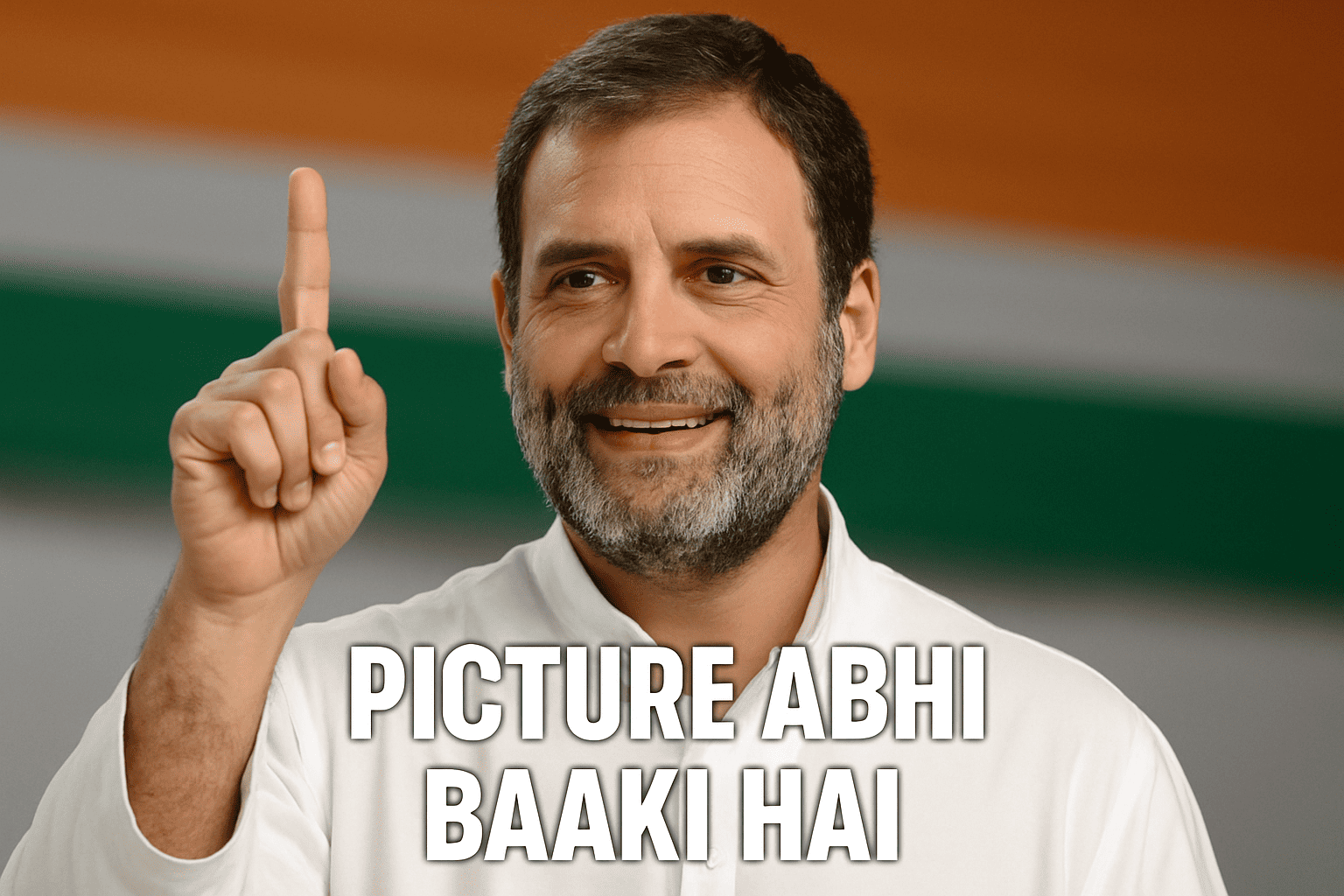
Rahul Gandhi, speaking on the matter, called it a “symbol of the deep rot in the electoral system” and warned that this was “just the beginning” of a much larger exposure. His cryptic remark, “Picture abhi baaki hai” (The picture is still incomplete), has been interpreted as a hint that the Opposition plans to reveal more such discrepancies in the coming days.
Opposition’s Allegations – ‘Vote Chori’ at Play?
Several INDIA bloc leaders, including prominent figures from the RJD, JD(U), and Congress, have claimed that the presence of such entries points toward deliberate voter list tampering. They allege that fake or deceased voters are being kept on the rolls to allow proxy voting or inflate certain constituencies’ vote counts.
Opposition strategists argue that even a small percentage of such fraudulent entries could tilt close contests in favor of one side. They are demanding that the EC conduct a thorough physical verification of voter lists, particularly in sensitive and closely contested districts.
Election Commission’s Stand
While the EC has not issued a detailed statement on this particular case, officials have previously maintained that voter list errors are often the result of outdated records, clerical mistakes, or delays in updating death records. The Commission claims it has an ongoing process to verify and update electoral rolls before polls, but the Opposition insists these measures are inadequate.
Political Significance in Bihar
The discovery comes at a time when Bihar is gearing up for a high-stakes Assembly election, with both the NDA and INDIA bloc aggressively campaigning. The ruling coalition is pitching its development and welfare schemes, while the Opposition is hammering on alleged governance failures and now—electoral integrity.
This controversy could become a central talking point for the Opposition’s campaign. Election strategists believe that allegations of “vote chori” resonate strongly with the public, as they tap into broader concerns over fairness, corruption, and trust in democratic institutions.
Rahul Gandhi’s Political Messaging
By invoking the phrase “Picture abhi baaki hai,” Rahul Gandhi has attempted to set the tone for a sustained attack on the EC’s credibility. His remarks suggest that the Opposition intends to roll out more “exposés” in a staggered manner, keeping the issue alive throughout the election season.
Political analysts say this strategy could serve two purposes:
- Erode Public Trust in the EC – making any election result more politically contentious.
- Energize the Opposition Base – by presenting themselves as protectors of democratic rights.
Public Reaction and Social Media Buzz
On social media, the “124-year-old voter” has become a trending topic, with memes, satirical videos, and sharp political commentary flooding timelines. Hashtags like #VoteChori, #BiharElections, and #124YearOldVoter have gained traction, with users split between outrage and ridicule.
For some, the incident is a laughing matter, symbolic of bureaucratic inefficiency. For others, it’s a grave warning about the state of Indian democracy.
What’s Next?
With elections approaching, the Opposition is expected to escalate pressure on the EC to clean up the voter rolls. Whether this results in a significant political shift will depend on how convincingly the Opposition can link this case to a larger pattern of alleged malpractice.
For now, the “124-year-old voter” has become more than just a clerical anomaly—it’s a political weapon. In the battle for Bihar, every symbolic victory matters, and this one has given the Opposition a potent rallying cry.
Related Posts

Stay Informed With the Latest & Most Important News
Previous Post
Next Post
Advertisement