

Now Reading: How We Celebrate Women Fighters But Abandon Them Later
-
01
How We Celebrate Women Fighters But Abandon Them Later


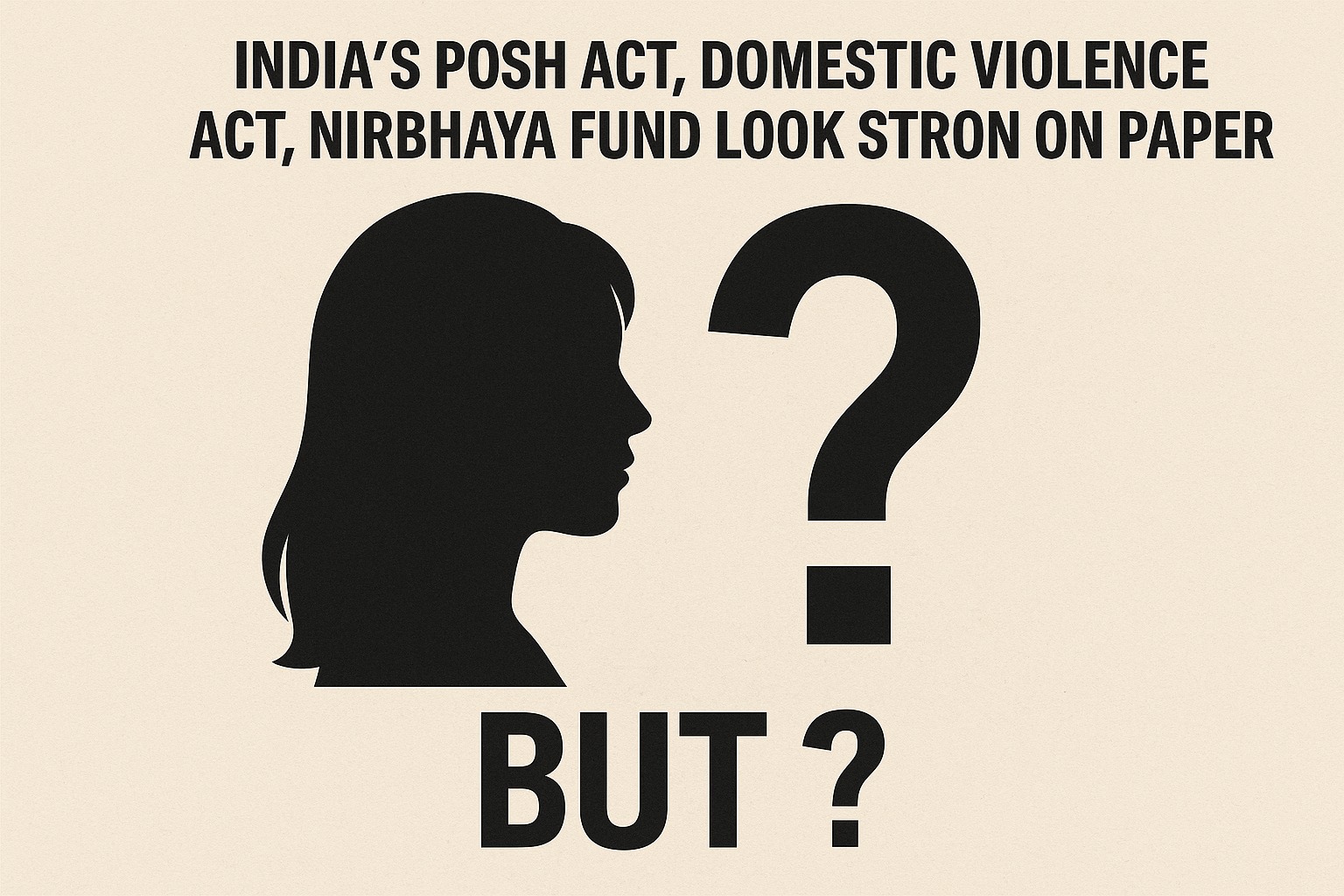
(An Editorial Opinion by Jan Jagran Darpan)
Every year, stories of brave women fill headlines. Women who dare to fight harassment at workplaces, women who challenge domestic violence in courts, women who march on streets for equal rights, and those who resist political suppression in authoritarian states. These women are celebrated for a day, a week, or a trending hashtag. But once the applause dies down, society too often leaves them to carry their struggles alone.
The harsh truth is this: applause does not pay medical bills, protect against threats, or guarantee jobs. What women fighters truly deserve is a safe, sustainable, and dignified future — built on laws that work, systems that protect, and societies that care.
Our editorial team revisits decades of struggles, stories, and statistics to argue why India — and the world — must move beyond symbolic praise and truly invest in the futures of women who fight for justice.
Historical Context: A Long Fight Against Silence
The struggle of women for justice is not new. From Rani Lakshmibai of Jhansi, who fought colonial power, to Savitribai Phule, who battled caste and gender barriers for girls’ education, India’s history is full of women who resisted injustice.
In the 20th century, women like Aruna Asaf Ali took leadership roles in the freedom struggle, leading protests during the Quit India Movement. Later, in post-independence India, women activists raised their voices against dowry deaths, custodial rapes, and honor killings.
Globally too, women like Rosa Parks in the U.S., who refused to give up her seat in a segregated bus, or Malala Yousafzai from Pakistan, who defied Taliban diktats for girls’ education, remind us that courage is often gendered — women step into battles society expects them to stay away from.
And yet, history also shows us how these women were often abandoned once their symbolic role was used for political gain.
Contemporary Challenges: Courage in the Face of Violence
In today’s India, women continue to face layered struggles:
- Workplace harassment: From corporate offices to unorganized sectors, women who report abuse risk career stagnation or social ostracism.
- Political violence: Women politicians, journalists, and activists are routinely targeted online with abuse, fake news, and even threats to their families.
- Grassroots struggles: Women in villages who fight against land grabbing, caste-based atrocities, or local corruption often face social boycott and physical attacks.
Consider the example of women farmers in the 2020–21 farmer protests who braved harsh winters and state opposition to demand their rights. Or journalists like Gauri Lankesh, who paid with her life for challenging entrenched power structures.
Their courage is recognized in speeches and social media tributes, but the real question remains — what protection systems exist to secure their tomorrow?
Legal Framework and Its Gaps
India has made progress with laws like:
- The Protection of Women from Domestic Violence Act (2005)
- The Sexual Harassment of Women at Workplace Act (2013)
- The Nirbhaya Fund after the 2012 Delhi gang rape
Yet implementation remains weak. Many survivors of violence report that police stations dismiss complaints, trials drag on for decades, and conviction rates are abysmally low.
Applause for survivors of sexual violence often rings hollow when they are forced to turn hostile in courts due to lack of protection or financial support. Similarly, activists who challenge powerful men often face defamation cases and financial ruin, with little institutional help.
Society’s Role: From Sympathy to Solidarity
One of the most glaring gaps is society’s tendency to celebrate stories but not sustain them.
- Survivors are applauded on Women’s Day but left alone in battles for rehabilitation.
- Whistleblowers are praised in media reports but abandoned when they face financial ruin.
- Women activists are given awards but not given security when threats mount.
This symbolic culture of claps and awards must be replaced by policies of action, funding for protection, and long-term care programs.
Women’s Voices: Stories That Shake Conscience
Our team collected and verified accounts of women across different sectors:
- A Dalit activist in Uttar Pradesh who exposed local corruption but was later socially boycotted.
- A journalist in Delhi who continues to face online death threats after reporting on sexual harassment in politics.
- A homemaker-turned-lawyer in Mumbai who took her own abusive husband to court and now helps other women navigate legal systems.
These stories reveal both the depth of courage and the cost of fighting. Behind every victory headline is a woman facing sleepless nights, financial struggles, and constant threats.
The Political Dimension: Women as Symbols, Not Subjects
Political leaders across parties often invoke the courage of women in speeches. Whether it is invoking ‘Nirbhaya’ in parliament debates or using images of women leaders in campaigns, women’s struggles become tools of political rhetoric.
Yet, when it comes to budget allocations for women’s safety, fast-track courts, or rehabilitation programs, the promises often fall flat.
This selective use of women’s pain as political capital must be called out. Justice is not a campaign slogan; it is a duty.
Economic Independence and Safety: The Missing Link
For women fighters, economic independence is crucial. Without stable income or state-supported programs, many survivors are forced back into cycles of abuse.
- Compensation schemes are inconsistent across states.
- Employment programs for survivors are poorly funded.
- Many women activists struggle to even afford basic healthcare.
If India wants to truly honor these women, it must ensure economic packages, housing support, and skill programs for survivors and activists. Only then can applause translate into futures.
Media’s Role: From Sensationalism to Sustained Focus
Media plays a double-edged role. While it highlights stories of women fighters, it also risks sensationalizing trauma. Survivors often complain of being portrayed as ‘tragic heroines’ rather than real people with long-term needs.
Media must take responsibility to follow up on cases, hold systems accountable, and highlight systemic solutions rather than merely celebrating symbolic victories.
The Road Ahead: Beyond Applause
What then must society do?
- Institutional Support: Create permanent government schemes for survivors and activists.
- Legal Accountability: Ensure faster trials and stricter penalties for harassment of women fighters.
- Financial Security: Provide employment guarantees, insurance, and pensions to women activists.
- Social Change: Educate communities to support, not stigmatize, women who raise their voices.
- Media Ethics: Train media to cover women’s struggles with dignity, not sensationalism.
Opinion & Call to Action
Women who fight for justice are not symbols; they are citizens. Their courage should not end in applause but in policy, protection, and progress.
Applause is easy. Claps are free. But true respect for these women demands a future where their safety, dignity, and independence are guaranteed.
As an editorial team, we assert: a nation that celebrates its women fighters but fails to protect them is complicit in injustice.
Related Posts



Stay Informed With the Latest & Most Important News
Previous Post
Next Post


Advertisement







Advertisement
