

Now Reading: iPhone 17 Air: Apple’s First e-SIM Only iPhone for Global Markets – Everything We Know
-
01
iPhone 17 Air: Apple’s First e-SIM Only iPhone for Global Markets – Everything We Know

iPhone 17 Air: Apple’s First e-SIM Only iPhone for Global Markets – Everything We Know

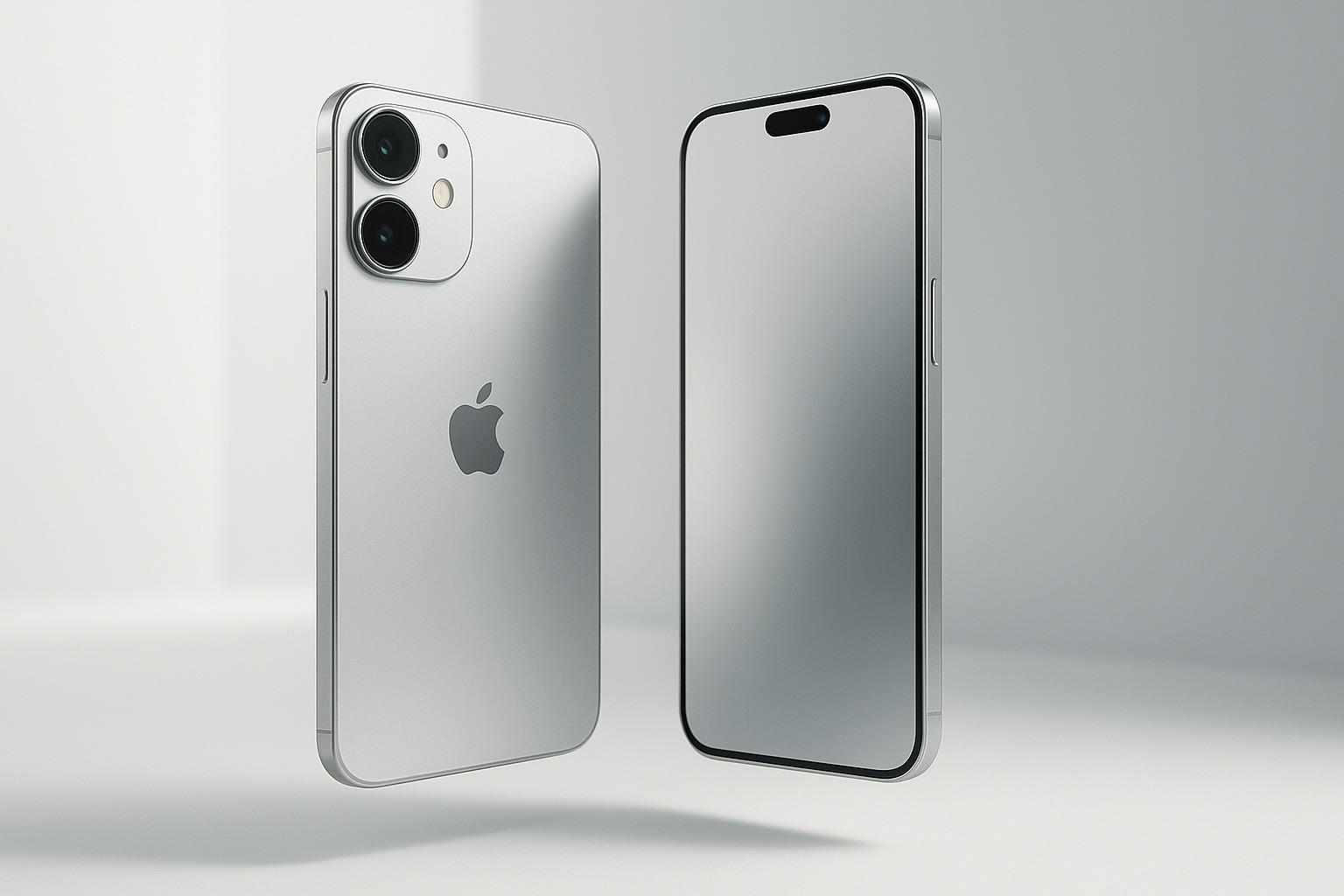
The global smartphone industry is once again buzzing with excitement as Apple prepares to launch the iPhone 17 Air. What makes this model historic is Apple’s plan to make it the first e-SIM only iPhone for international markets. Until now, Apple had tested e-SIM-only models in select regions like the US, but the iPhone 17 Air marks the first attempt at a truly global rollout without physical SIM card slots.
This decision is more than a hardware update – it signals Apple’s intent to reshape the way mobile connectivity works across the world. From carrier partnerships to consumer adaptability, the iPhone 17 Air could redefine what “future-ready smartphones” mean.
What is e-SIM and Why Does It Matter?
An e-SIM (embedded SIM) is a digital SIM built directly into the phone’s hardware. Unlike traditional plastic SIM cards, it doesn’t need to be inserted or removed. Users can switch carriers, activate plans, or manage multiple numbers through software settings.
The move toward e-SIM has several advantages:
- Seamless switching between networks without changing cards.
- More space inside the device for other components, such as bigger batteries or new sensors.
- Better water resistance and durability due to the absence of a SIM tray slot.
- Global usability since users can activate local plans instantly while traveling.
Apple has been slowly pushing the e-SIM agenda, and with the iPhone 17 Air, it appears ready to retire the physical SIM card worldwide.
Apple’s Journey Toward e-SIM Dominance
Apple’s e-SIM story began with the iPhone XS series in 2018, which first introduced dual SIM support using one physical SIM and one e-SIM. In 2022, the iPhone 14 in the United States became Apple’s first e-SIM only model, dropping the SIM tray completely.
While the experiment worked in the US, the global market posed challenges. Many regions still rely heavily on physical SIMs, with carriers not fully prepared for digital activation. Apple used the last few years to build partnerships with telecom companies worldwide, ensuring the infrastructure is ready for a global e-SIM push.
The iPhone 17 Air represents the culmination of this effort. If successful, it could accelerate the industry’s move toward a SIM-less future.
Key Features Expected in iPhone 17 Air
While the highlight is the e-SIM only design, leaks and reports suggest the iPhone 17 Air will pack several other advancements:
- Lightweight Design
True to its “Air” branding, the model is expected to be slimmer and lighter than the standard iPhone 17 models. Apple may use advanced materials like titanium and reinforced glass to achieve this balance. - Improved Display Technology
Rumors indicate a ProMotion OLED display with higher brightness and efficiency. Users can expect smoother scrolling, improved HDR, and energy-saving features. - A-Series Next-Gen Chipset
Apple’s upcoming A19 chip is likely to power the iPhone 17 Air, promising faster performance, better AI capabilities, and enhanced gaming experiences. - Camera Upgrades
The Air model might not match the Pro series, but significant improvements are expected in low-light photography, video stabilization, and computational imaging. - Longer Battery Life
With extra internal space created by removing the SIM slot, Apple could fit a larger battery or add new cooling technology to improve efficiency. - iOS Enhancements
iOS 19, expected to debut with the iPhone 17 lineup, may bring exclusive e-SIM management tools, making it easier for users to switch carriers or manage multiple plans.
Why Apple Chose the iPhone 17 Air for Global e-SIM Push
Apple’s decision to introduce the e-SIM only feature in the Air model rather than the standard or Pro versions seems strategic:
- Air branding is associated with experimentation. Just as MacBook Air and iPad Air introduced lightweight yet powerful designs, the iPhone 17 Air becomes a testbed for future-ready tech.
- Lower risk. By limiting the first global e-SIM rollout to one model, Apple can study adoption rates without affecting its mainstream sales.
- Market positioning. The Air line usually attracts younger, more tech-savvy customers who are open to trying new features.
Impact on Global Carriers
This shift will force telecom companies worldwide to adapt quickly. Carriers in Europe, Asia, Africa, and Latin America will need to ensure their systems fully support e-SIM activation.
For consumers, this means:
- Faster activation when buying a new iPhone – no need to wait for a SIM card.
- More flexibility while traveling, with the ability to instantly switch to local data plans.
- Challenges in rural or less-developed regions where carriers may not yet support e-SIM technology.
Apple’s strong influence in the smartphone market will likely push carriers to modernize rapidly, much like what happened with the shift to 4G and 5G networks.
Will There Be Backlash?
While the move is futuristic, not all users may welcome it. Some concerns include:
- Older users who are not comfortable with digital SIM activation.
- Regions with weak e-SIM adoption, where buying a physical SIM remains the easiest option.
- Concerns over switching phones – if a device breaks, users may worry about how quickly they can transfer their number without a physical card.
Apple is expected to tackle these concerns by offering detailed tutorials, carrier support, and cloud-based e-SIM transfers.
What This Means for the Smartphone Industry
Apple’s decision will likely set off a chain reaction. Competitors such as Samsung, Google, and OnePlus may also accelerate their own e-SIM only models, creating a new industry standard.
Just as Apple pushed the market away from headphone jacks and chargers in the box, the end of the physical SIM card could be the next major transition – one that changes how billions of people connect to networks.
Release Timeline and Availability
The iPhone 17 series, including the Air model, is expected to launch in late 2025. Apple typically unveils new iPhones in September, and early reports suggest the same window.
Global rollout will depend heavily on carrier readiness. Some regions might get the iPhone 17 Air immediately, while others could face delays if local operators aren’t fully prepared for e-SIM adoption.
Conclusion
The iPhone 17 Air is more than just another smartphone – it represents Apple’s vision for a future without physical SIM cards. If successful, this launch will mark the beginning of a universal e-SIM era, reshaping connectivity for millions worldwide.
From improved device design to greater global mobility, the iPhone 17 Air could become one of Apple’s most influential models in years. The Editorial Team of Behind The Headlines will continue tracking every update to bring readers verified insights on this landmark shift.
Related Posts



Stay Informed With the Latest & Most Important News


Advertisement









Advertisement
