

Now Reading: West Asia Tensions Escalate as U.S.-Iran Conflict Deepens
-
01
West Asia Tensions Escalate as U.S.-Iran Conflict Deepens


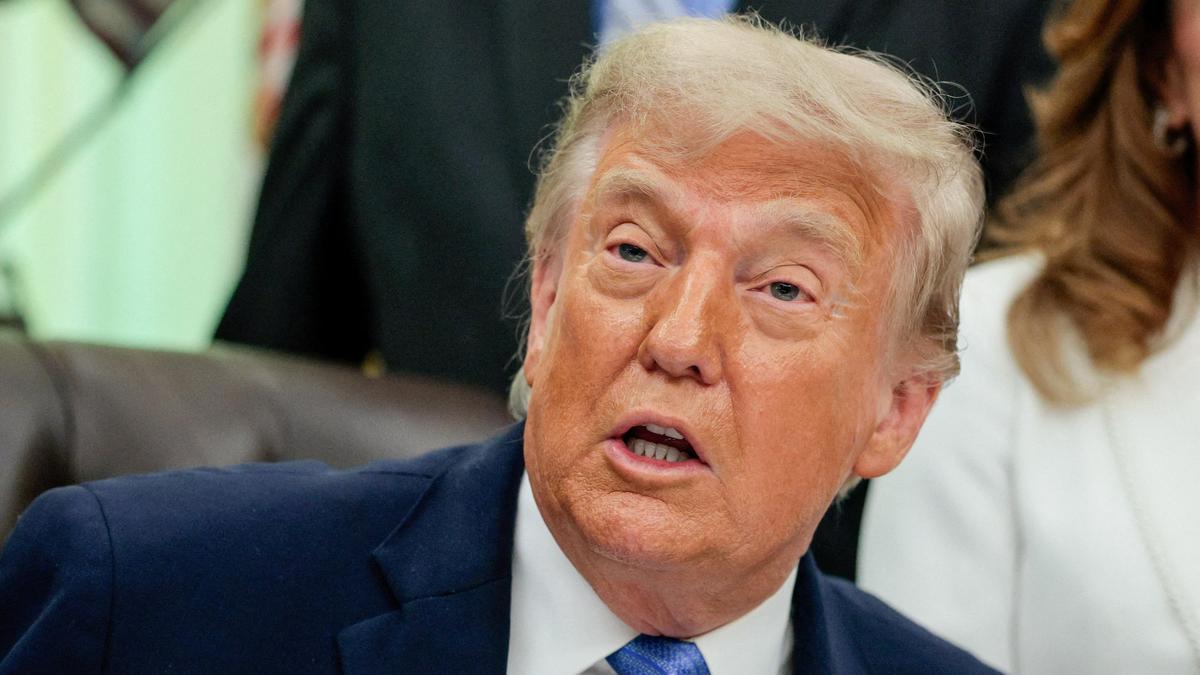
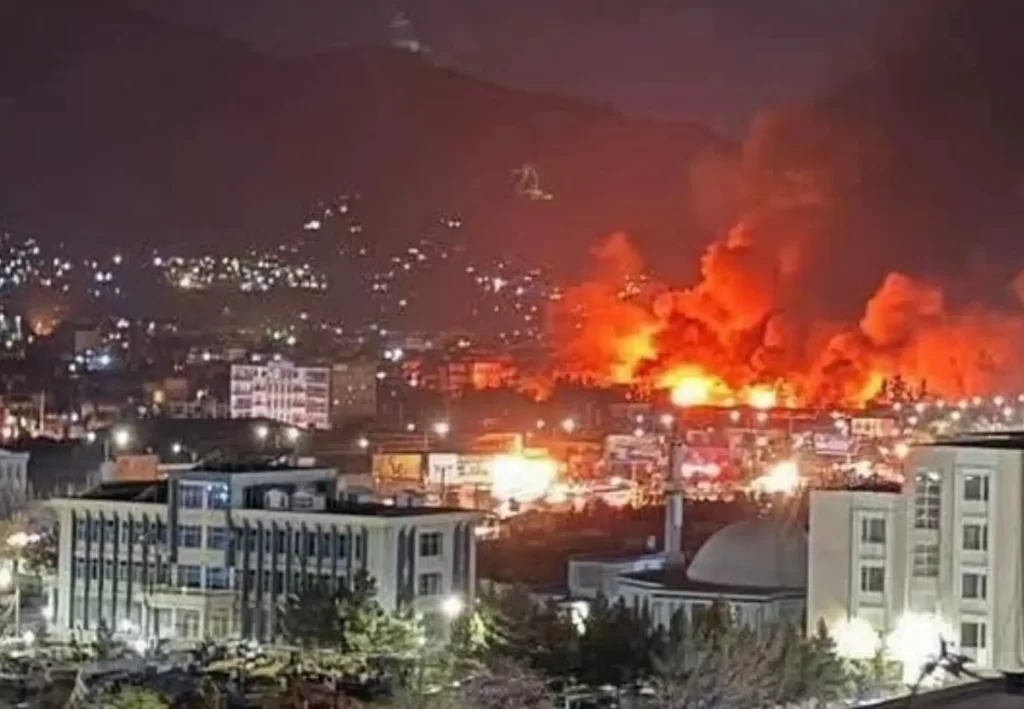
Tensions in West Asia intensified on June 11 as the United States and Iran exchanged strikes for a second consecutive day, raising concerns about a broader regional conflict. The escalation has further strained the fragile ceasefire efforts and heightened uncertainty across global energy markets.
Iran has continued to assert control over the Strait of Hormuz, a strategically important maritime route through which a significant portion of the world’s oil and gas supplies transit. The situation has triggered concerns over potential disruptions to global energy supplies and rising crude oil prices.
U.S. President Donald Trump has adopted a more aggressive stance, warning of further military action while also expressing interest in targeting Iran’s key oil infrastructure. Meanwhile, Israeli Prime Minister Benjamin Netanyahu has maintained pressure on Iran and its regional allies, complicating diplomatic efforts aimed at de-escalation.
Adding another layer to the crisis, Mojtaba Khamenei, who succeeded his father Ali Khamenei as Iran’s Supreme Leader earlier this year, continues to play a central role in shaping Tehran’s response to the conflict.
The ongoing hostilities have fueled fears of a wider regional confrontation, with several Gulf nations remaining on high alert amid missile exchanges and growing geopolitical uncertainty. Diplomatic efforts continue, but prospects for a near-term resolution remain unclear.
Related Posts


Stay Informed With the Latest & Most Important News
Previous Post
Next Post

Advertisement






Advertisement
