Now Reading: PM Modi congratulates Sushila Karki, vows stronger India–Nepal ties
-
01
PM Modi congratulates Sushila Karki, vows stronger India–Nepal ties


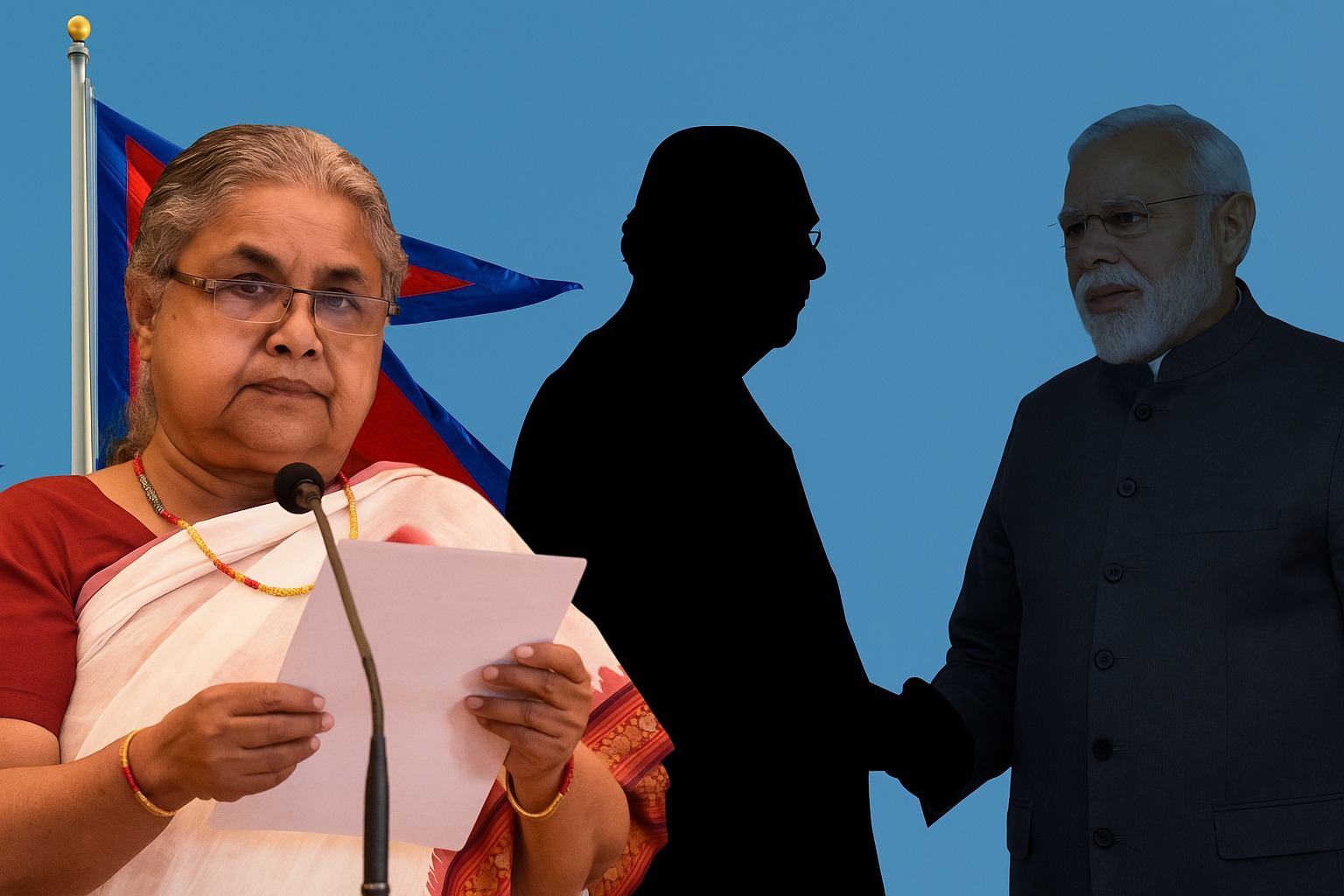
Nepal witnessed a historic moment when Sushila Karki, the country’s first female Chief Justice, took oath as Prime Minister, becoming the first woman ever to lead the Himalayan nation. Her elevation, rooted in the unprecedented Gen Z–led protests, reflects both a generational shift and a political turning point.
Prime Minister Narendra Modi was among the first world leaders to congratulate Karki, highlighting India’s commitment to peace, stability, and progress in the region. His message underscored New Delhi’s vision of supporting democratic aspirations in its neighbourhood while strengthening India–Nepal relations.
Nepal’s Historic First: Sushila Karki as Prime Minister
Sushila Karki has long been admired for her fearless tenure as Chief Justice, where she fought for judicial independence and accountability. Her appointment as Nepal’s Prime Minister marks a rare fusion of judicial credibility and political leadership.
Her rise is significant not only because she broke the gender barrier but also because she comes to power at a time when Nepal is grappling with political instability and deep divisions.
Earlier, in our coverage on Gen Z protests reshaping Nepal’s politics, we explored how youth-led movements are redefining leadership choices in the region.
PM Modi’s Message of Congratulation
Soon after Karki’s oath-taking ceremony, PM Modi extended his congratulations through official channels. His message emphasized:
- Commitment to peace: India’s assurance of supporting a stable, democratic Nepal.
- Focus on partnership: A call for deeper collaboration in trade, connectivity, and people-to-people ties.
- Regional stability: Reaffirmation of India’s policy to strengthen South Asia through mutual progress.
In our earlier analysis on India’s Act East policy and neighbourhood ties, we highlighted why Nepal remains a cornerstone of India’s regional outreach.
India–Nepal Relations: A Critical Juncture
India and Nepal share deep civilizational, cultural, and strategic ties. Yet, the relationship has also seen strains over border disputes, trade disagreements, and China’s increasing influence in Kathmandu.
With Sushila Karki at the helm, India sees an opportunity to reset ties by:
- Enhancing cross-border connectivity projects.
- Expanding trade and energy cooperation.
- Strengthening security collaboration against cross-border challenges.
Our report on India–Nepal border dynamics examined how disputes have shaped political narratives in both countries.
Regional and Global Reactions
International observers have praised Nepal’s democratic process and Karki’s elevation. Women’s rights groups across South Asia hailed her as an inspiration for future generations. Meanwhile, China, which has been seeking closer ties with Nepal, also extended its congratulations, signaling the geopolitical competition surrounding the small but strategically vital nation.
In our global analysis of South Asia’s shifting geopolitics, we explained how leadership changes in Nepal often influence India–China dynamics.
Challenges Ahead for Karki
While the symbolism of Karki’s appointment is powerful, the challenges before her government are daunting:
- Healing political divides amid fragile coalitions.
- Responding to public anger over unemployment and governance failures.
- Navigating Nepal’s balancing act between India and China.
Her success—or failure—will define whether this historic appointment becomes a lasting transformation or another chapter of instability.
The Bigger Picture for India
For India, this moment offers both promise and responsibility. Modi’s congratulatory message signals readiness to work closely with Nepal’s leadership. Yet, India must ensure that its support goes beyond symbolism, focusing on tangible outcomes in infrastructure, trade, and cultural cooperation.
If managed well, Karki’s leadership could usher in a new era of India–Nepal friendship, reinforcing South Asia’s stability in an increasingly volatile geopolitical climate.
Conclusion
Sushila Karki’s appointment as Nepal’s Prime Minister is more than just a historic first—it is a statement of democratic resilience, youth-driven change, and gender equality in South Asia. PM Modi’s swift congratulations and reaffirmation of partnership underline India’s stakes in Nepal’s future.
The road ahead will test both leaders, but if nurtured wisely, this chapter could mark a revival of trust and progress in one of South Asia’s most consequential bilateral relationships.
Related Posts
Stay Informed With the Latest & Most Important News
Previous Post
Next Post
Advertisement