Now Reading: Clean energy powers over half of India's electricity demand in major milestone
-
01
Clean energy powers over half of India's electricity demand in major milestone


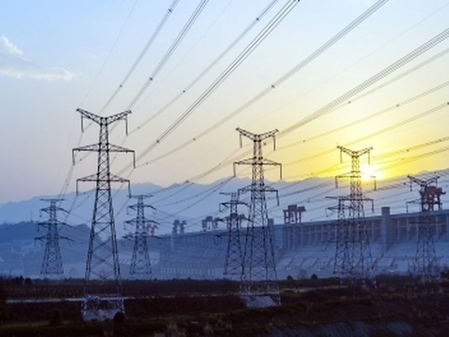
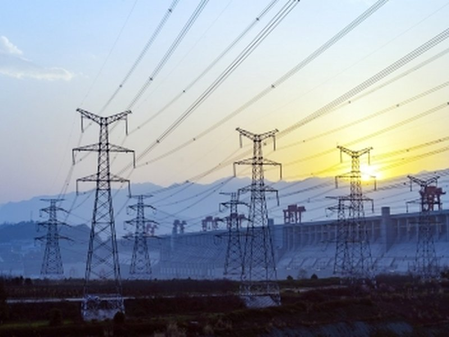
New Delhi, July 8 (IANS) India achieved a significant milestone in its energy transition as clean energy sources accounted for more than half of the country’s electricity generation during a period of peak daytime demand, highlighting the growing role of renewable power in the national grid.
According to data from the Power Ministry’s Merit Order Despatch of Electricity for Rejuvenation of Income and Transparency (MERIT) platform, clean energy sources — including renewable energy, hydropower and nuclear power — supplied 50.02 per cent of India’s total electricity demand of 221.5 GW at 11:46 a.m. on July 6.
The achievement marks the second consecutive year that clean energy has met more than 50 per cent of the country’s electricity demand at a given point in time, reflecting the rapid expansion of non-fossil fuel generation capacity.
Experts said the trend has become increasingly consistent in recent months. Disha Aggarwal, Fellow at the Council on Energy, Environment and Water (CEEW), said clean energy has met more than 45 per cent of India’s total electricity demand on 50 days since May this year.
“This already signals a lasting change in the supply mix. CEEW research shows that the next frontier will be to scale flexible energy storage, along with large-scale and distributed renewable energy systems, to meet increasing shares of the evening demand with low-cost renewables,” Aggarwal said.
Power demand has moderated in recent weeks as widespread rainfall brought relief from extreme summer temperatures. Data from the state-run Grid Controller of India showed that peak power demand eased to 222.5 GW on July 6 before rising to 230 GW on July 7.
The demand remains well below the all-time high of 270.8 GW recorded in May this year during an intense heatwave. In 2025, India’s peak electricity demand had reached 243 GW in June, slightly lower than the previous year’s record of 250 GW in May. The government has projected peak power demand to touch 271 GW in 2026.
India’s installed power generation capacity stood at 542.3 GW as of May 31. Of this, thermal power accounts for 250.8 GW, while renewable energy capacity has reached 282.7 GW, underscoring the country’s expanding clean energy portfolio.
–IANS
pk
Related Posts


Stay Informed With the Latest & Most Important News
Previous Post
Next Post

Advertisement