

Now Reading: Hindu College Retains Top Spot in NIRF 2025 Rankings, Hans Raj and Kirori Mal Enter Top 5
-
01
Hindu College Retains Top Spot in NIRF 2025 Rankings, Hans Raj and Kirori Mal Enter Top 5

Hindu College Retains Top Spot in NIRF 2025 Rankings, Hans Raj and Kirori Mal Enter Top 5

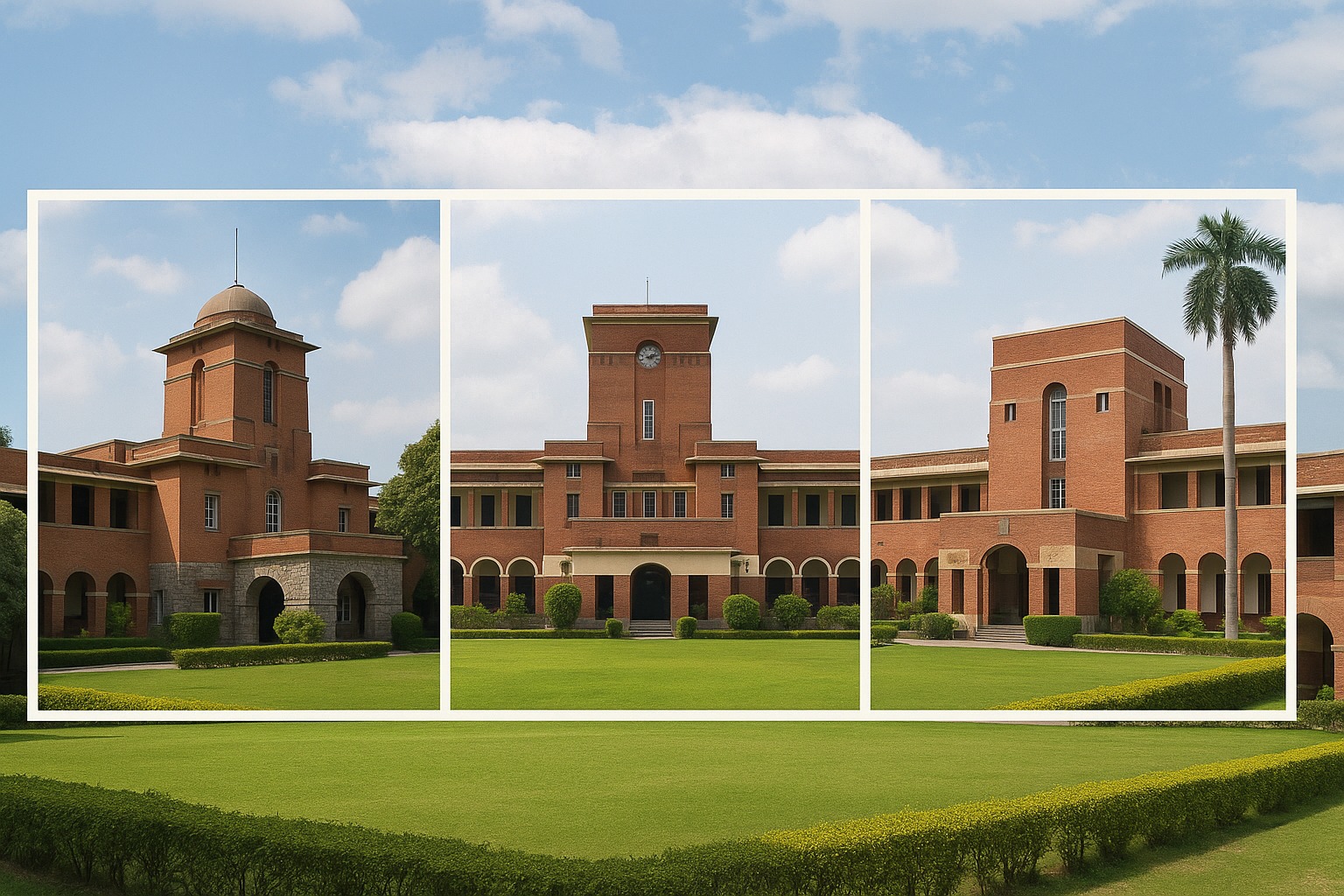
The National Institutional Ranking Framework (NIRF) 2025 results have placed Hindu College at the pinnacle of the college category once again, cementing its reputation as one of India’s premier institutions of higher learning. While Hindu College retained its top position, the rankings also brought exciting changes, with Hans Raj College and Kirori Mal College breaking into the top five for the first time.
The Editorial Team of Behind The Headlines delves into the details of the rankings, what they signify for students and institutions, and how the shifting dynamics of India’s higher education ecosystem are reflected in the NIRF 2025 list.
Understanding the NIRF
Launched in 2015 by the Ministry of Education, the National Institutional Ranking Framework (NIRF) has become the gold standard for assessing higher education institutions in India. It evaluates colleges and universities on multiple parameters, including teaching and learning resources, research and professional practices, graduation outcomes, outreach and inclusivity, and overall perception.
For students and parents, NIRF serves as a trusted guide in choosing institutions, while for colleges, the rankings act as a benchmark for quality and competitiveness.
Hindu College at Number One
Hindu College, one of Delhi University’s oldest and most prestigious institutions, has maintained its number one ranking in the college category for the second consecutive year.
The college earned high scores across parameters such as:
- Teaching and Learning Resources: Strong faculty, diverse courses, and modern infrastructure.
- Graduation Outcomes: High placement rates and competitive exam success among graduates.
- Perception: Positive reviews from employers, peers, and academic experts.
Hindu’s consistency reflects its balance of tradition and modernity, with a strong academic foundation, thriving extracurricular environment, and a reputation that extends across India and abroad.
Miranda House and Presidency College
Miranda House, another renowned Delhi University college, continues to feature prominently in the rankings, maintaining its place in the top tier. Known for its academic excellence, research initiatives, and leadership in women’s education, Miranda House has consistently been in the top two or three since the inception of NIRF.
Presidency College, Chennai, has also held onto its elite position. As one of the oldest institutions in South India, it continues to excel in faculty quality, academic output, and graduate outcomes, ensuring that the southern region remains well-represented in national rankings.
The Rise of Hans Raj and Kirori Mal
One of the biggest highlights of NIRF 2025 is the entry of Hans Raj College and Kirori Mal College into the top five.
- Hans Raj College: Long celebrated for its academic rigor and cultural societies, Hans Raj’s steady climb reflects its focus on innovation in teaching, student entrepreneurship, and extracurricular diversity. The college’s active alumni network has also boosted its perception score.
- Kirori Mal College: Known for its vibrant theatre and cultural scene, Kirori Mal’s inclusion in the top five showcases the institution’s growing academic recognition. It has invested in research opportunities, modern infrastructure, and inclusive policies, elevating its status significantly.
Both colleges’ success highlights how Delhi University institutions are competing strongly among themselves and with other national players.
Stephens, St. Xavier’s, and Others
St. Stephen’s College, traditionally seen as one of India’s most elite institutions, remains in the top ten, though its position has been overtaken by Hans Raj and Kirori Mal this year. Similarly, St. Xavier’s College in Mumbai continues to shine in the western region, maintaining its reputation for academic excellence and producing graduates who excel in diverse fields.
Other DU colleges like Lady Shri Ram (LSR) College for Women and Sri Ram College of Commerce (SRCC) also remain high on the charts, proving that the Delhi University ecosystem continues to dominate the NIRF college rankings.
Regional Representation
While Delhi-based colleges dominate the top slots, representation from other regions ensures a balanced picture:
- Tamil Nadu: Presidency College and Loyola College continue to perform well.
- West Bengal: Institutions like Presidency University and St. Xavier’s Kolkata maintain high rankings.
- Kerala and Maharashtra: Colleges from these states remain in the top 50, highlighting India’s diverse educational strengths.
The geographical spread underscores how educational excellence is no longer confined to just metro cities.
Why Rankings Matter
The NIRF rankings are more than just numbers; they reflect institutional credibility and influence:
- For Students: Rankings guide admission choices, offering clarity on academic quality and career prospects.
- For Colleges: They act as performance benchmarks, pushing institutions to invest in faculty, research, and infrastructure.
- For Employers: Rankings validate the employability and competence of graduates.
- For Policymakers: They serve as a diagnostic tool to identify gaps in higher education.
Challenges in Higher Education
While the NIRF rankings highlight progress, they also reflect challenges:
- Infrastructure Gaps: Many colleges outside metro cities struggle with funding and facilities.
- Faculty Shortages: Recruiting and retaining high-quality faculty remains an issue.
- Research Output: India’s colleges often underperform in research compared to global benchmarks.
- Inclusivity: Bridging the urban-rural divide in higher education remains critical.
Addressing these issues will be key to ensuring that Indian colleges not only compete nationally but also match global standards.
Future Outlook
With increased government focus on the National Education Policy (NEP) 2020, colleges are expected to gain more autonomy, invest in multidisciplinary education, and improve research capacity. Rankings like NIRF will continue to act as milestones on this journey, pushing institutions to strive for better outcomes.
Conclusion
The NIRF 2025 rankings underline Hindu College’s dominance, Miranda House and Presidency’s consistency, and the impressive rise of Hans Raj and Kirori Mal into the top five. Together, these shifts showcase the dynamism of India’s higher education sector.
As competition intensifies, the rankings are not just a celebration of excellence but also a reminder of the reforms still needed. For students, these lists provide clarity; for institutions, they provide both recognition and a challenge.
The Editorial Team of Behind The Headlines will continue to monitor India’s higher education sector, offering fact-verified insights into rankings, reforms, and their impact on the next generation of learners.
Related Posts

Stay Informed With the Latest & Most Important News


Advertisement








Advertisement
