

Now Reading: India vs Australia 3rd T20I Preview: Team Selection Under Scrutiny
-
01
India vs Australia 3rd T20I Preview: Team Selection Under Scrutiny


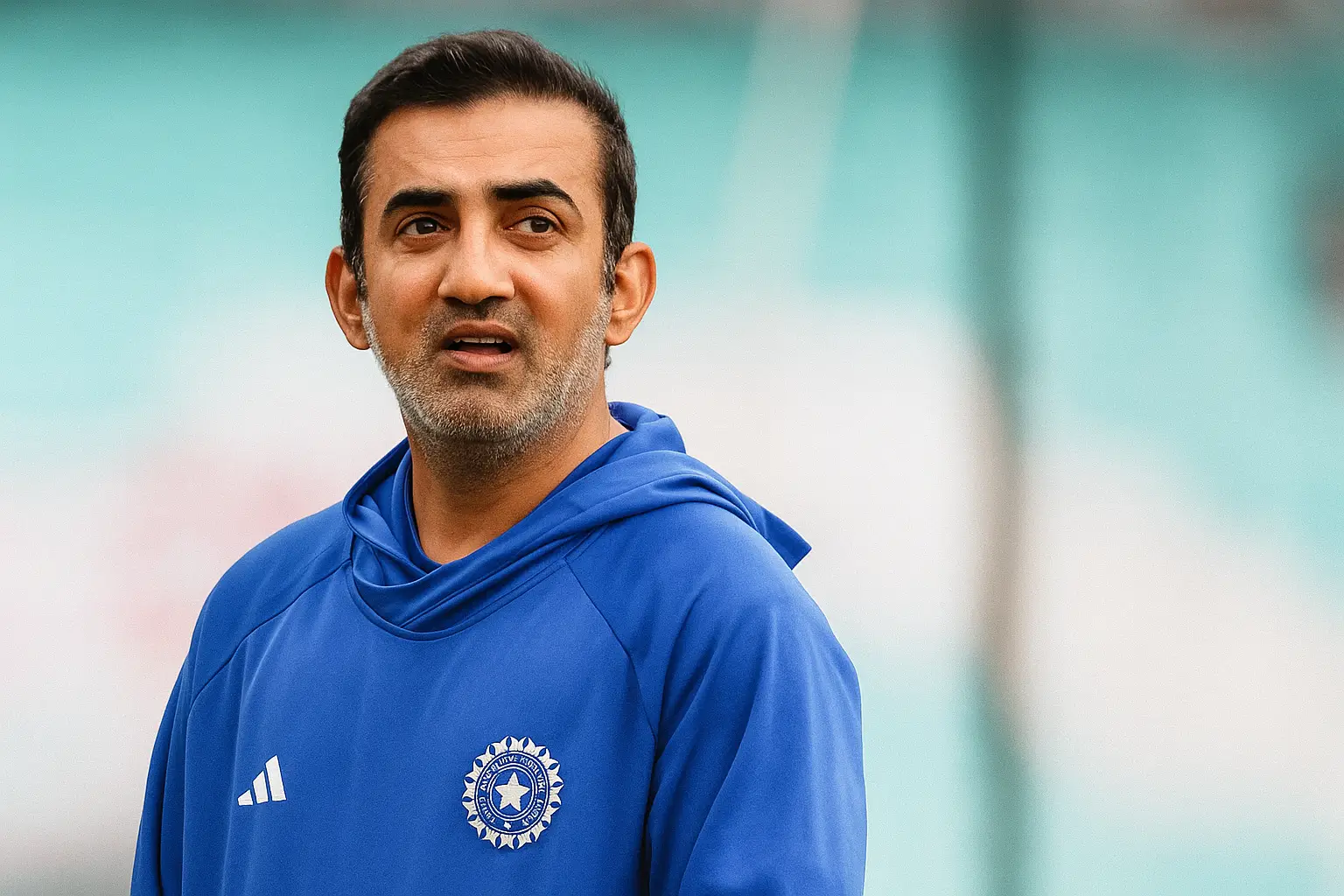
The Editorial Team of Behind The Headlines reports that all eyes will be on the Indian cricket team’s selection strategy as they face Australia in the 3rd T20I at Hobart. After mixed results in the first two games, questions are being raised about balance, bowling combinations, and batting order. The Men in Blue will be under pressure to deliver a composed performance, while Australia will look to build momentum with an aggressive brand of cricket. As both teams adjust to rotation and experimentation, the upcoming match promises a thrilling battle of tactics, temperament, and talent.
Details / Background
The India–Australia T20I series has so far been a showcase of contrasting approaches. India, playing at home, started strong in the first match with a commanding performance but faltered in execution during the second encounter. With the series now finely poised, the third T20I in Hobart has become crucial for both sides — one to regain dominance, the other to sustain momentum.
India’s team management has been experimenting with a new generation of players following the conclusion of the T20 World Cup. While skipper Suryakumar Yadav has shown flashes of brilliance, questions remain about the middle order’s consistency and bowling depth. Young players like Rinku Singh and Tilak Varma have impressed in phases, but the team’s overall rhythm appears unsettled.
Australia, on the other hand, has been clinical in execution. With Matthew Wade leading a confident side, the visitors have used the series to test their bench strength before the next major ICC tournament. Players such as Travis Head, Tim David, and Glenn Maxwell continue to threaten Indian bowlers with fearless stroke play, while their bowlers—led by Jason Behrendorff and Nathan Ellis—have kept the Indian batting lineup in check with disciplined spells.
The Hobart pitch, known for its balanced conditions, will test both teams’ adaptability. Historically, the surface has offered swing early on but flattens out under lights, making the toss an important factor. Weather conditions are expected to remain cool and partly cloudy, with minimal chances of rain—ideal for a full 40-over contest.
Analysis
As India prepares for the 3rd T20I, the focus turns to selection and strategy. Head coach VVS Laxman and captain Suryakumar Yadav face tough calls on whether to continue experimenting or settle the playing XI. The rotation policy, though meant to test bench strength, has affected India’s rhythm and field coordination.
Bowling remains the biggest area of concern. Arshdeep Singh’s form has fluctuated, and Mukesh Kumar has struggled with consistency in the death overs. The absence of Jasprit Bumrah for workload management has left India without a proven finisher with the ball. Washington Sundar or Ravi Bishnoi might be given a chance in Hobart to add variety to the spin attack.
Batting too has been a mixed bag. While Ruturaj Gaikwad’s stroke-making has been elegant, his strike rate has drawn scrutiny. Yashasvi Jaiswal has looked promising but needs a longer innings to anchor the top order. Suryakumar Yadav’s explosive approach works best when there’s stability around him—a factor missing in the last game when India lost quick wickets in the middle overs.
Australia’s approach has been refreshingly aggressive. Travis Head has provided rapid starts, and Glenn Maxwell’s return has strengthened the middle order. The key for India will be to contain the Australian top order in the powerplay, which has repeatedly shifted momentum in the visitors’ favor.
Strategically, India may opt for a balanced eleven with an extra bowler. Inclusion of a left-arm spinner could exploit Hobart’s long square boundaries. From a batting perspective, a shuffle that brings Jitesh Sharma up the order might provide better acceleration before the death overs.
Reactions / Statements
Ahead of the Hobart match, India’s team management has indicated confidence in its young core. Captain Suryakumar Yadav emphasized that experimentation is part of a long-term plan. He noted that developing new players under pressure is essential for creating bench depth before upcoming tournaments.
Players like Rinku Singh have acknowledged the learning curve, expressing that the exposure against a strong side like Australia will build their composure in tight finishes. Bowling coach Paras Mhambrey has also pointed out that the team is focusing on defensive bowling skills—particularly yorker execution and variation in pace—to manage death overs better.
From the Australian camp, skipper Matthew Wade praised India’s young talent but stated that Australia intends to maintain pressure through aggressive field placements and attacking bowling. He mentioned that adapting quickly to changing conditions at Hobart would be crucial, especially with dew likely to influence the second innings.
Cricket pundits and former players have joined the conversation too. Several have suggested that India should move away from excessive experimentation and focus on building a cohesive unit. Others believe that the ongoing series provides a perfect testing ground for emerging players before tougher overseas tours next year.
Bigger Picture / Future Impact
The 3rd T20I is not merely a decider—it’s a snapshot of India’s transition phase. The series offers a glimpse into how the post-World Cup squad is shaping under new combinations and leadership. With senior players resting, the younger lot’s performance in this series could determine selection for next year’s T20 World Cup preparation.
If India wins, it would reaffirm the promise of its new generation. If not, it might intensify the debate around selection priorities and team balance. Either way, the result in Hobart will influence how India approaches its next series against South Africa and how selectors evaluate players’ adaptability in foreign conditions.
For Australia, a victory would underline their bench depth and resilience. It would also serve as a morale booster as they prepare for the summer season at home. Their ability to field effective combinations even without some regulars shows the strength of their domestic system—a benchmark that India’s management would aspire to match.
Beyond immediate results, this game also highlights modern T20 cricket’s evolution: adaptability, quick decision-making, and role clarity now matter more than pure talent. As both teams fine-tune their strategies, this series may set the tone for future clashes leading up to the next ICC tournament.
Conclusion
The India vs Australia 3rd T20I at Hobart is more than just another cricket match—it’s a test of balance, leadership, and belief. For India, the challenge lies in turning experimentation into execution. For Australia, it’s about sustaining pressure and closing out opportunities.
The Men in Blue must rediscover their composure, tighten their bowling, and optimize their batting order. With the series finely poised, every decision—from toss to team selection—will carry weight. Win or lose, this match will provide lessons shaping India’s roadmap toward the next phase of international T20 cricket.
The Editorial Team of Behind The Headlines will continue to monitor post-match developments, player reactions, and upcoming changes in India’s squad composition.
Internal Links (to related Behind The Headlines stories)
Related Posts



Stay Informed With the Latest & Most Important News
Previous Post
Next Post
Advertisement








Advertisement
