

Now Reading: Long COVID risk in children doubles after reinfection, Lancet study warns
-
01
Long COVID risk in children doubles after reinfection, Lancet study warns


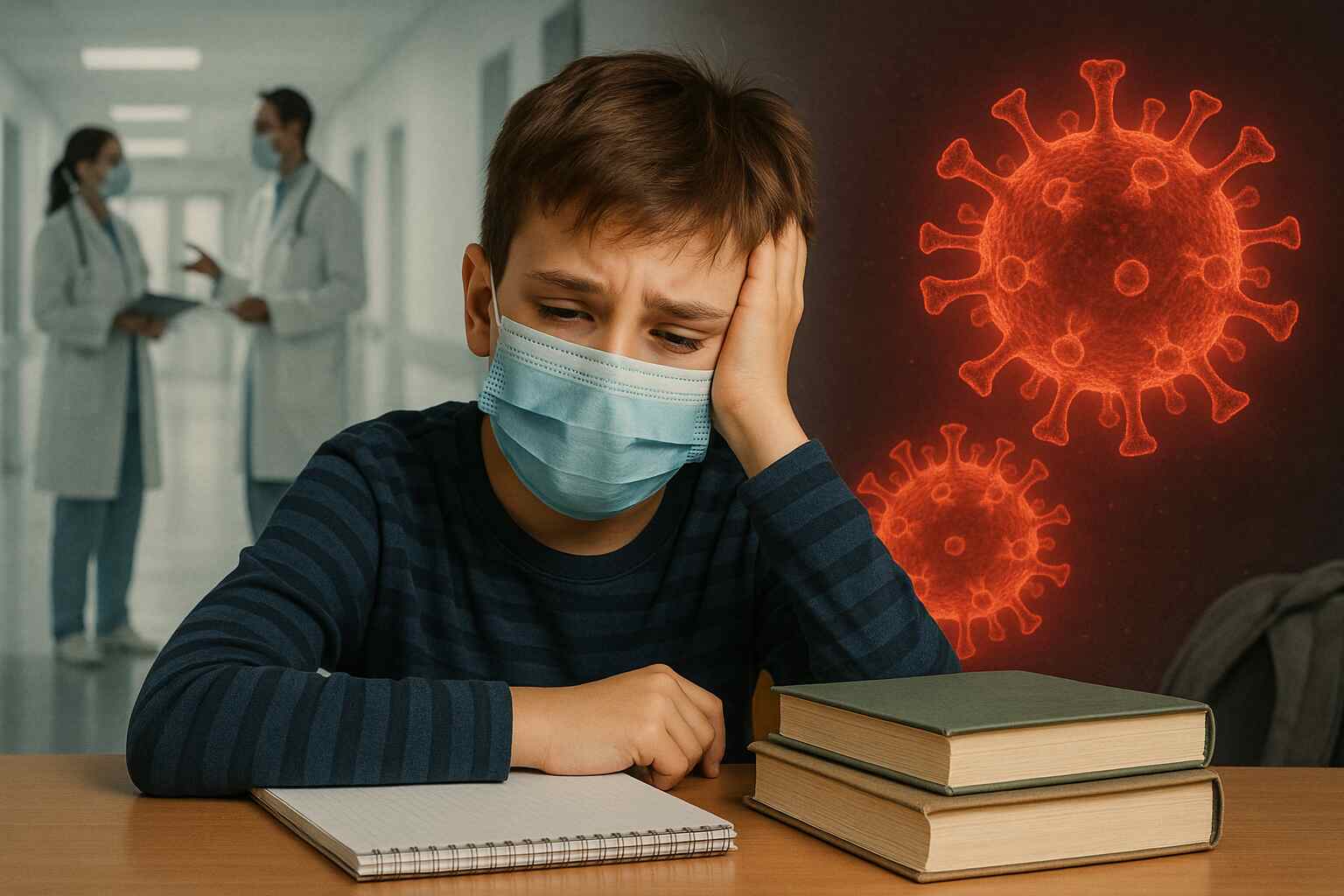
A recent Lancet study has revealed a worrying trend—the risk of long COVID in children doubles after they suffer a second infection. For parents already navigating school routines, seasonal illnesses, and vaccination schedules, this new evidence raises fresh questions about children’s long-term health and immunity.
The study emphasizes that while many children recover from COVID-19 without complications, repeated infections significantly increase their chances of developing lingering symptoms such as fatigue, breathing issues, or concentration problems. With millions of children worldwide exposed to multiple COVID waves, this finding comes as a wake-up call for families and policymakers alike.
What the Lancet study reveals
Researchers who tracked pediatric COVID-19 cases over multiple waves discovered a clear pattern:
- Children with one COVID-19 infection had a measurable risk of developing long COVID.
- The risk nearly doubled after a second infection, suggesting reinfections have a compounding effect on health outcomes.
- Symptoms were not always immediate but persisted weeks or even months later.
This finding makes it crucial for parents to pay close attention even after what appears to be a “mild” reinfection in kids.
(Also read: Possibility of nuclear attack part of India’s security calculus)
Understanding long COVID in children
Long COVID is not a single illness but a cluster of symptoms that continue for weeks or months after infection. Among children, the most commonly reported problems include:
- Persistent fatigue and weakness
- Shortness of breath during mild activity
- Headaches and muscle pain
- Difficulty concentrating (“brain fog”)
- Sleep disturbances and anxiety
While the severity varies, the quality of life is often affected, disrupting education, play, and overall well-being.
Why reinfections increase the danger
Medical experts suggest multiple reasons why the second infection may worsen risks:
- Weakened immunity – Children recovering from one infection may have reduced resilience when the next one strikes.
- Cumulative organ stress – Viral impact on lungs, heart, or neurological systems may intensify with repeat infections.
- Variants factor – Each wave may involve different variants, some more damaging than others.
This means every additional infection increases the likelihood of lingering complications, especially in children with pre-existing health issues.
Global and Indian context
Globally, studies show that long COVID affects between 10%–20% of children who catch the virus. In India, where vaccination in younger age groups has been slower and reinfections more common, public health experts warn the risks may be even higher.
The Lancet findings place renewed urgency on strengthening preventive strategies in schools, particularly as children remain exposed to large gatherings, exams, and seasonal flu overlaps.
Parental reactions and medical advice
Parents across social media have expressed concern over the new findings, with many asking how to best protect their children. Pediatricians advise a balanced approach:
- Encourage vaccinations and boosters where eligible.
- Ensure children wear masks in crowded spaces during outbreaks.
- Promote healthy habits such as proper sleep, exercise, and nutrition to strengthen immunity.
- Track symptoms after infection—especially fatigue or breathing problems—and consult doctors if they persist beyond four weeks.
(Read next: Bihar final voter list shows 47 lakh names removed)
The bigger picture: Schools, policy, and healthcare
The Lancet study highlights gaps in how governments and healthcare systems track long COVID in children. Many countries, including India, lack formal databases of pediatric long COVID cases, making it harder to design targeted interventions.
Experts call for:
- Regular follow-ups for children post-infection.
- Dedicated pediatric long COVID clinics.
- Awareness campaigns for parents and schools.
- Inclusion of long COVID risks in vaccination and public health policies.
Conclusion: A reminder for vigilance
The evidence is clear: reinfections double the risk of long COVID in children. While most recover fully, the hidden burden of long-term symptoms cannot be ignored. Parents, schools, and policymakers must work together to reduce exposure risks and provide timely care.
As the world adjusts to COVID-19 becoming endemic, protecting children’s health requires not only vaccines and hygiene but also a proactive understanding of how repeated infections affect young bodies and minds.
Related Posts


Stay Informed With the Latest & Most Important News
Previous Post
Next Post


Advertisement









Advertisement