Now Reading: Nepal After Oli Resignation: Leadership Vacuum and Gen Z’s Next Move
-
01
Nepal After Oli Resignation: Leadership Vacuum and Gen Z’s Next Move


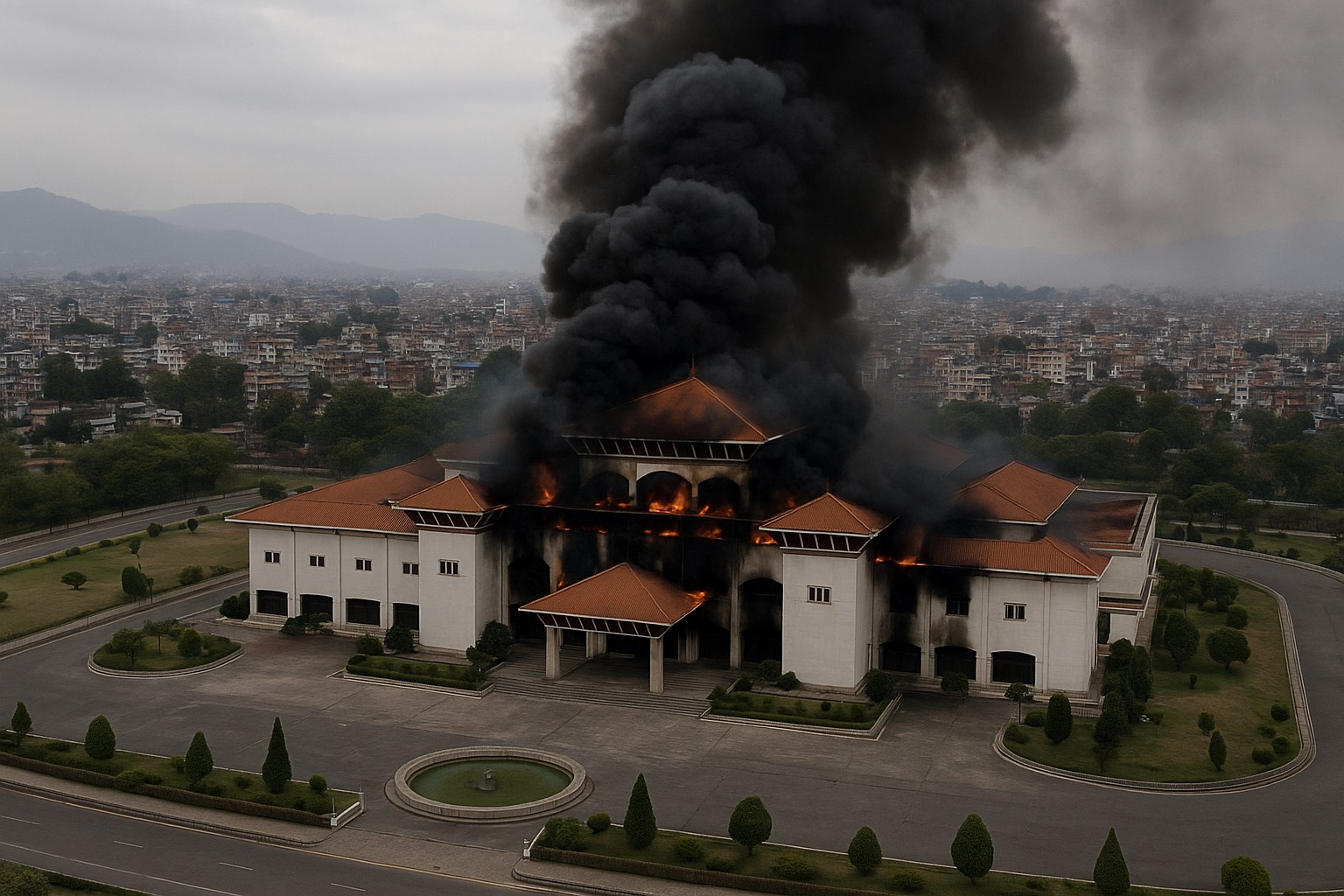
Nepal has entered a new phase of political uncertainty after the resignation of former Prime Minister KP Sharma Oli. The decision came amid escalating pressure from youth-led demonstrations, popularly called the Gen Z protests, which have shaken the country’s political establishment.
As Oli steps down, the immediate question is: who is leading Nepal now? At the same time, attention is turning to how Gen Z activists, the driving force behind weeks of unrest, will shape the country’s democratic journey. The developments mark a turning point for Nepal, where youth anger, leadership vacuum, and fragile institutions collide.
Why KP Sharma Oli Resigned
Oli’s resignation followed weeks of political unrest and mounting criticism. The Gen Z movement, coupled with opposition parties and civil society groups, accused his government of:
- Mishandling the economy amid rising unemployment.
- Ignoring corruption scandals.
- Failing to address public frustration over governance.
Under intense pressure, Oli announced his resignation in a televised address, signaling the end of one chapter in Nepal’s leadership but leaving unanswered questions about the next.
(For context, read our earlier coverage on Nepal Gen Z Protest: Why Kathmandu Is Burning).
Who Leads Nepal Now?
Following Oli’s departure, Nepal’s constitutional mechanism allows the President to invite parties to form a government. At present:
- The Nepali Congress and Maoist Centre are emerging as contenders for leadership.
- Coalition talks are under way, but divisions persist.
- Until a new prime minister is appointed, the administration functions in caretaker mode.
This leadership vacuum is fueling more uncertainty, with Gen Z protesters demanding systemic reforms, not just a change of face at the top.
(Also see our explainer on Coalition Politics in Nepal: Lessons for South Asia).
Gen Z’s Role in Nepal’s Political Crisis
The Gen Z protests are central to this transition. Unlike earlier movements, this wave is:
- Digitally driven: Social media platforms mobilized thousands across Kathmandu.
- Issue-based: Focusing on jobs, corruption, and accountability.
- Leaderless but organized: No single face, but a united generational voice.
Protesters argue that Oli’s resignation is only the beginning. They are demanding structural reforms in education, employment policies, and governance transparency.
Government and Party Reactions
- Ruling establishment: Scrambling to negotiate alliances and calm the streets.
- Opposition parties: Celebrating Oli’s exit but facing pressure to prove they can do better.
- Gen Z activists: Unimpressed by power games, insisting on systemic change.
This tension underscores the gap between political elites and the new generation of voters and activists.
Regional and International Response
Nepal’s crisis has drawn regional attention:
- India: Monitoring closely, given open border ties and migrant flows.
- China: Keen on stability to protect its Belt and Road interests in Nepal.
- International observers: Concerned about democratic backsliding if unrest persists.
The global spotlight on Nepal reflects the importance of its stability in South Asia’s security and trade matrix.
(Explore our report on South Asia’s Fragile Democracies and Regional Impacts).
What’s Next for Gen Z Protests?
Analysts predict two possible paths:
- Prolonged street protests: If political parties fail to address demands, unrest could escalate.
- Institutional engagement: If reforms are promised, Gen Z may channel energy into new political movements or civil society platforms.
Either way, Nepal’s youth have signaled they will no longer remain silent in the face of poor governance.
Challenges Ahead for Nepal
- Forming a stable coalition amid fractured politics.
- Meeting Gen Z’s demands without further economic disruption.
- Avoiding heavy-handed crackdowns that risk deepening unrest.
Observers say that how Nepal handles this crisis will determine whether the Gen Z protests become a turning point for democracy or a missed opportunity.
(Learn more in Democracy at a Crossroads: Nepal and Its Youth Movement).
Conclusion
With Oli’s resignation, Nepal faces both opportunity and danger. The leadership vacuum highlights weaknesses in coalition politics, while the Gen Z protests underline a new generational demand for accountability.
Nepal’s future will now depend on whether its leaders respond with genuine reforms or repeat the cycle of short-lived governments. For Gen Z, the protests are more than a movement — they are a declaration that Nepal’s youngest citizens will no longer be sidelined.
Related Posts

Stay Informed With the Latest & Most Important News
Previous Post
Next Post

Advertisement