Now Reading: Nepal Gen Z Protest: Understanding Why Kathmandu Is on Fire
-
01
Nepal Gen Z Protest: Understanding Why Kathmandu Is on Fire


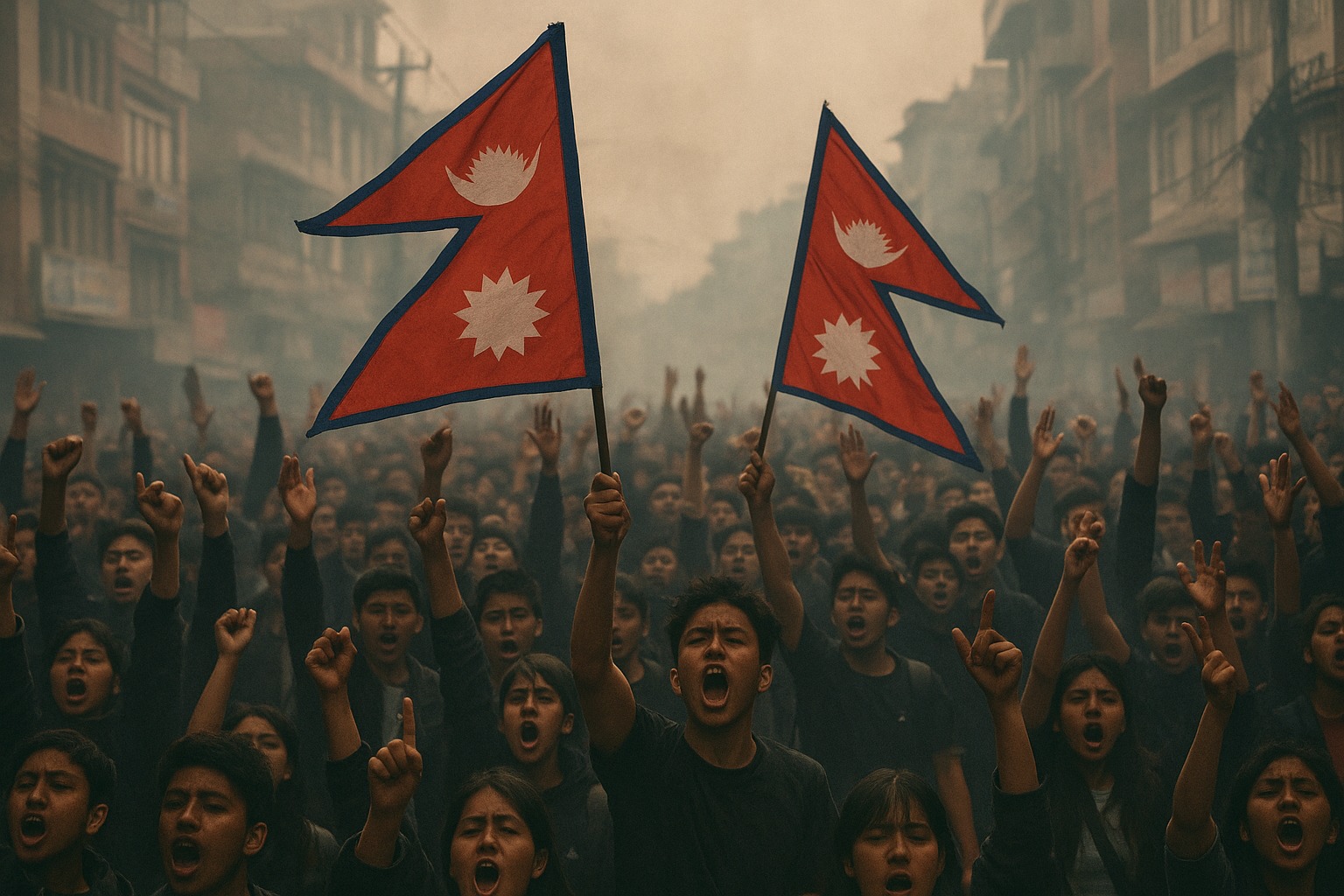
Kathmandu is witnessing an unprecedented wave of protests led by Gen Z activists, shaking Nepal’s political landscape and raising questions about the future of its democracy. The demonstrations, driven by frustration over unemployment, corruption, and governance failures, have escalated into one of the largest youth-led movements in recent years.
The Nepal Gen Z protest has turned into more than a student-led agitation — it has become a mass cry for systemic change. As streets fill with slogans, marches, and clashes with security forces, the world is closely watching why Kathmandu is burning and what it means for Nepal’s fragile stability.
Why Nepal’s Gen Z Is Protesting
Nepal’s youngest generation, born in the post-monarchy era, was promised democracy, jobs, and stability. Instead, they face soaring unemployment, political instability, and frequent corruption scandals.
Key drivers of the unrest include:
- Unemployment crisis: Thousands of educated Nepali youth are unable to find jobs, forcing many to migrate abroad.
- Corruption scandals: Political leaders face repeated allegations of mismanagement.
- Lack of representation: Young voices feel ignored in policymaking dominated by older leaders.
- Cost of living: Rising inflation and weak economic policies are fueling frustration.
(Earlier, we explained how Youth Unemployment Is Shaping South Asia’s Politics).
How the Protests Escalated in Kathmandu
Initially peaceful marches have now turned into large-scale demonstrations across Kathmandu. Social media platforms like TikTok, Instagram, and X are being used to mobilize crowds.
- Sit-ins and flash mobs were organized near government buildings.
- Security forces resorted to tear gas and baton charges to disperse crowds.
- Roads in central Kathmandu were blocked, halting businesses and schools.
This escalation has made Kathmandu the epicenter of South Asia’s newest youth uprising.
(Read our report on Social Media as a Tool for Political Movements).
The Role of Gen Z Identity
What makes this protest unique is the identity of Gen Z Nepalese. Unlike past generations, they are digitally connected, globally aware, and impatient for change.
They are not demanding piecemeal reforms but a transformation in governance. The slogans emphasize accountability, transparency, and youth participation in decision-making.
(Also see our feature on Gen Z Politics: A Global Shift in Leadership Demands).
Government Response So Far
The government has appealed for calm but has largely dismissed the protests as disruptive. Prime Ministerial statements have promised reforms, but no concrete steps have been announced.
Security forces have been deployed in sensitive zones, raising fears of escalating violence. Human rights groups warn that excessive force could worsen tensions.
Reactions in Nepal and Beyond
- Civil society: Many NGOs and student unions have expressed solidarity with protesters.
- Business community: Concerned about the impact on tourism and daily commerce.
- International observers: India, China, and Western nations are closely monitoring the situation.
The protests have also sparked debates about whether Nepal’s young democracy is resilient enough to handle such generational demands.
Risks for Nepal’s Democracy
The Gen Z protest reveals cracks in Nepal’s political system. If the unrest continues, it could lead to:
- More migration of frustrated youth abroad.
- Greater instability in an already fragile economy.
- Weakening of public trust in democratic institutions.
However, if leaders address demands meaningfully, this moment could mark a new chapter in Nepal’s democratic journey.
(Explore our analysis of Democratic Transitions in South Asia: Challenges and Lessons).
The Bigger Picture for South Asia
Nepal is not alone in facing youth-led unrest. Across South Asia, from Sri Lanka’s economic protests to India’s student agitations, young voices are reshaping politics.
Kathmandu’s streets symbolize a generational shift: a demand for accountability, jobs, and real opportunities in a region where political elites often resist change.
Conclusion
The Nepal Gen Z protest is not a passing moment but a watershed event in the country’s politics. As Kathmandu burns with youthful anger, the challenge for Nepal’s leadership is clear — listen, engage, and reform, or risk alienating a generation that refuses to remain silent.
The world will be watching how Nepal navigates this turning point.
Related Posts


Stay Informed With the Latest & Most Important News
Previous Post
Next Post
Advertisement