Now Reading: NISAR Satellite to Watch Earth with Two Radar Eyes, Not Affected by Clouds or Darkness
-
01
NISAR Satellite to Watch Earth with Two Radar Eyes, Not Affected by Clouds or Darkness

NISAR Satellite to Watch Earth with Two Radar Eyes, Not Affected by Clouds or Darkness

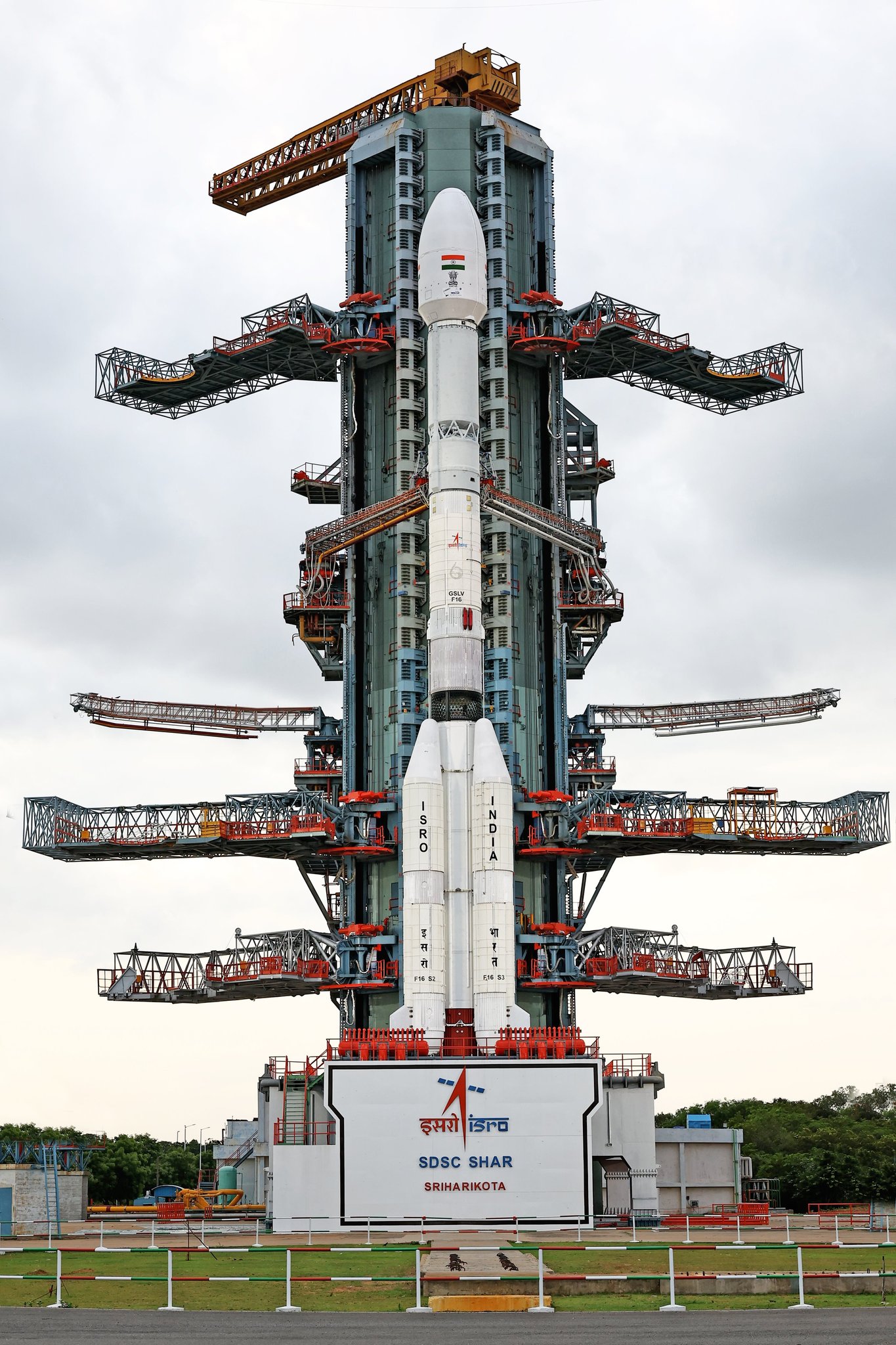
India’s space agency ISRO and the American space agency NASA are ready to launch a powerful Earth observation satellite called NISAR. According to former ISRO scientist Dr. BR Guruprasad, this special satellite will not rely on sunlight, making it very useful in all weather conditions, day or night.
NISAR is short for NASA-ISRO Synthetic Aperture Radar. It is the first joint satellite mission between India and the US. The satellite will be launched from Sriharikota using the GSLV-F16 rocket at 5:40 PM.
What makes NISAR different is that it doesn’t carry cameras like most satellites. Instead, it uses two types of radar – L-band and S-band – to study the Earth. These radars send pulses to Earth and collect data about changes happening on the ground.
Because NISAR uses radar, it can see through clouds and work in the dark or during storms. It will fly 750 km above the Earth and take images over an area of 240 km wide, with a detail range of 3 to 10 meters.
Dr. Guruprasad said that NISAR is a big achievement for both ISRO and NASA. “This kind of international partnership is great not only for India and the US but for the whole world,” he said.
Although India has already launched a few radar satellites, NISAR is unique because it is the first satellite to carry two types of radars together.
Weighing 2,392 kg, NISAR will be the first time India’s GSLV rocket launches a satellite into a Sun-Synchronous Orbit (SSO) – an orbit that allows the satellite to cover the entire planet evenly.
NISAR will complete a full scan of the Earth every 12 days, providing important, high-resolution data. It will help scientists track:
- Changes in the Earth’s surface
- Shifting ice sheets
- Soil moisture
- Storms and sea ice
- Disasters like floods or earthquakes
- Movement of ships and water bodies
In short, NISAR is a game-changing satellite that will provide useful information to monitor the environment and help during natural disasters. It’s a shining example of how space cooperation between countries can lead to important benefits for all of humanity.
Related Posts



Stay Informed With the Latest & Most Important News
Previous Post
Next Post


Advertisement