

Now Reading: What Becomes Cheaper and Dearer After New GST Slab Changes
-
01
What Becomes Cheaper and Dearer After New GST Slab Changes


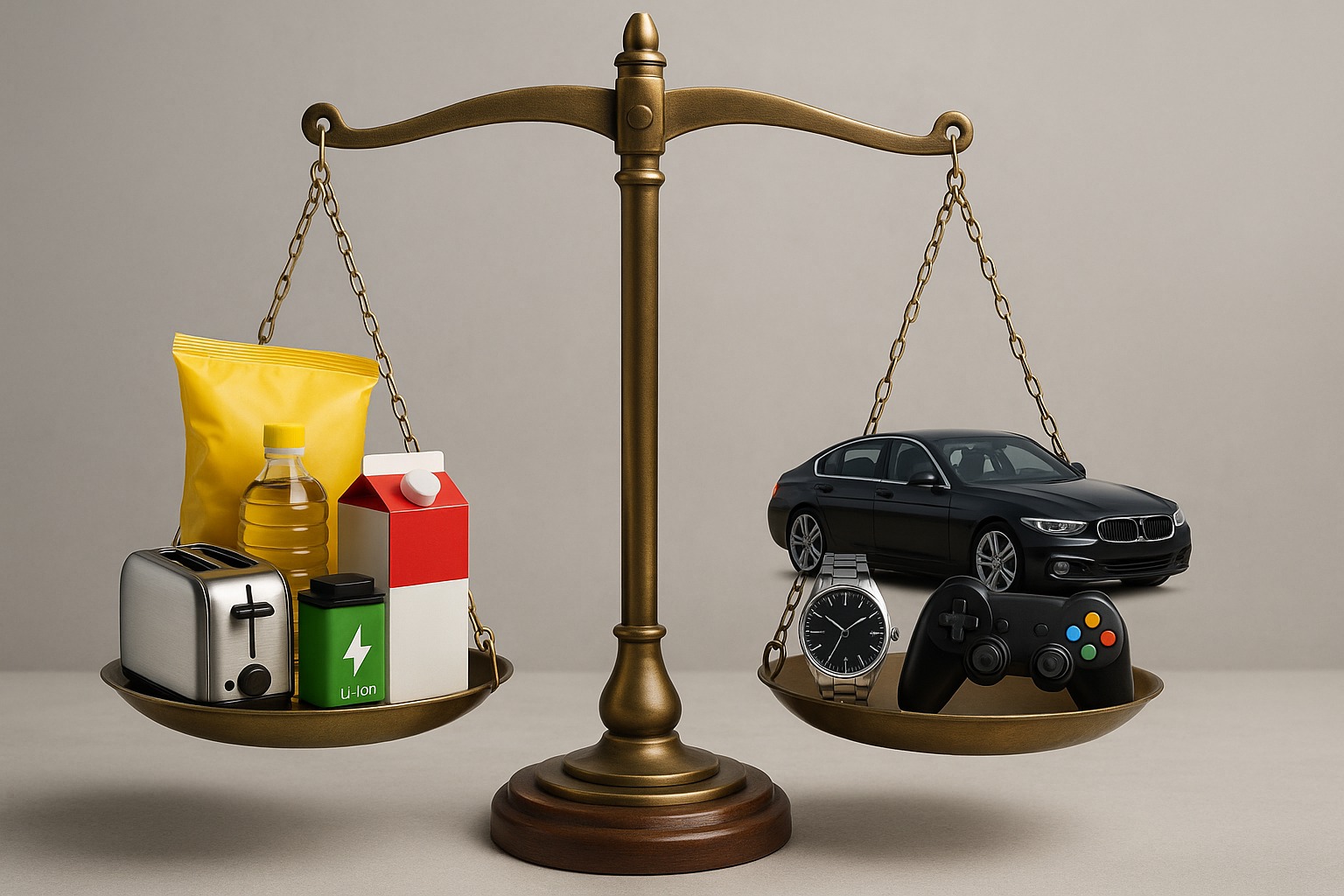
The 53rd meeting of the Goods and Services Tax (GST) Council is underway, and all eyes are on the decisions that could reshape household budgets, business costs, and industry pricing strategies. With expectations running high, taxpayers and businesses alike are keen to know what will become cheaper and dearer once the revised GST slab changes are announced.
From essential commodities to luxury goods, the council’s verdict will directly impact millions of consumers while also influencing inflation and economic growth. Here’s a detailed breakdown of what is being discussed, what could change, and the implications for India’s economy.
What is the GST Council and Why This Meeting Matters
The GST Council, chaired by the Union Finance Minister and including representatives from all states and union territories, is the apex decision-making body for GST-related issues. It decides the tax rates, exemptions, and structural reforms under the GST framework.
This meeting is particularly crucial because:
- It comes at a time when inflationary pressures are weighing on household budgets.
- Industry bodies are lobbying for lower tax rates on raw materials and inputs to ease business costs.
- The government is eyeing ways to boost consumer spending ahead of the festive season.
Every GST council meeting has the power to reshape pricing across sectors, and today’s discussions are no exception.
Items Likely to Become Cheaper
Based on industry demands and early reports, several categories could see reduction in GST rates:
- Household Appliances
- There is a strong push to reduce GST on small appliances like mixers, grinders, and washing machines.
- A reduction from 18% to 12% is being discussed, which could bring relief to middle-class families.
- FMCG Products
- Everyday items such as packaged food products, soaps, and toiletries may see a cut.
- Lower rates would help companies reduce prices and boost demand.
- EV Components
- The government is keen to promote green mobility. Reducing GST on electric vehicle batteries and charging equipment from 18% to 5% is on the table.
- Processed Foods
- Items like packaged snacks, frozen foods, and dairy-based products may become cheaper to encourage food industry growth.
- Cement for Affordable Housing
- The real estate sector has been lobbying hard for lower GST on cement used in affordable housing projects.
Items That May Become Dearer
At the same time, some goods and services could see higher GST rates:
- Luxury Goods
- High-end watches, premium cars, and luxury lifestyle products could attract a higher cess under GST.
- This is part of the government’s effort to tax non-essential spending while reducing rates on mass-consumption items.
- Online Gaming and Casinos
- The GST Council has been debating the taxation of online gaming platforms. The rates may be revised upward to 28%, treating them at par with gambling.
- Carbonated Drinks and Energy Beverages
- These could face higher cess due to health concerns and their classification as “sin goods.”
- Insurance Premiums
- Some discussions point towards an increase in GST on insurance premiums, which could raise costs for policyholders.
Sector-Wise Impact of GST Changes
Real Estate and Housing
- Lower rates on cement and construction materials will reduce costs for affordable housing projects.
- This could spur demand in the real estate sector and align with the government’s housing-for-all agenda.
Automobiles and EVs
- While luxury cars may become dearer, the EV sector is likely to benefit. Lower GST on batteries and charging stations will accelerate India’s electric mobility plans.
Retail and FMCG
- Cheaper packaged foods and personal care products will boost consumer spending, especially in rural markets where demand is under stress.
Entertainment and Gaming
- A higher tax burden on online gaming will impact startups and investors in the fast-growing gaming sector.
Impact on Consumers
For the common man, the GST changes will be directly visible in monthly expenses:
- Families could save on home appliances, daily groceries, and processed foods.
- However, those spending on luxury goods, insurance, or online gaming may face higher bills.
- Lower EV costs could encourage middle-class households to switch to electric two-wheelers and cars.
Impact on Businesses
Businesses across sectors are watching closely:
- FMCG companies expect lower rates to boost sales volume.
- Auto and EV makers hope for lower component costs.
- Insurance firms may struggle if GST on premiums rises, as demand could fall.
- Gaming startups worry that a higher tax rate may discourage user spending.
Overall, businesses want stability and predictability in tax rates to plan long-term investments.
Revenue Implications for Government
Any reduction in GST rates means lower revenue collection for the government in the short term. However, policymakers argue that lower rates will spur higher demand and eventually increase collections through volume growth.
On the other hand, increasing taxes on luxury items and sin goods helps compensate for revenue losses while also aligning with social policies.
Expert Opinions
Economic experts suggest that this GST Council meeting reflects a balancing act:
- Making essentials and mass-consumption items cheaper to ease inflation.
- Imposing higher taxes on luxury goods and sin products to generate revenue.
- Simplifying compliance for small businesses to expand the tax base.
This dual approach could ensure both consumer relief and government stability in collections.
Conclusion
The ongoing GST Council meeting is more than just a routine exercise—it has direct consequences for household budgets, business strategies, and India’s economic direction. By making essentials and green technology cheaper while taxing luxury and gaming industries higher, the council aims to create a fairer, growth-oriented tax system.
As final decisions are announced, consumers and businesses must brace for changes in what they buy, how much they spend, and how industries adapt.
The Editorial Team of Behind The Headlines will continue to track the outcomes, providing fact-verified updates on which products will become cheaper or dearer after the GST slab revisions.
Related Posts



Stay Informed With the Latest & Most Important News


Advertisement









Advertisement